 AfriqueUnie
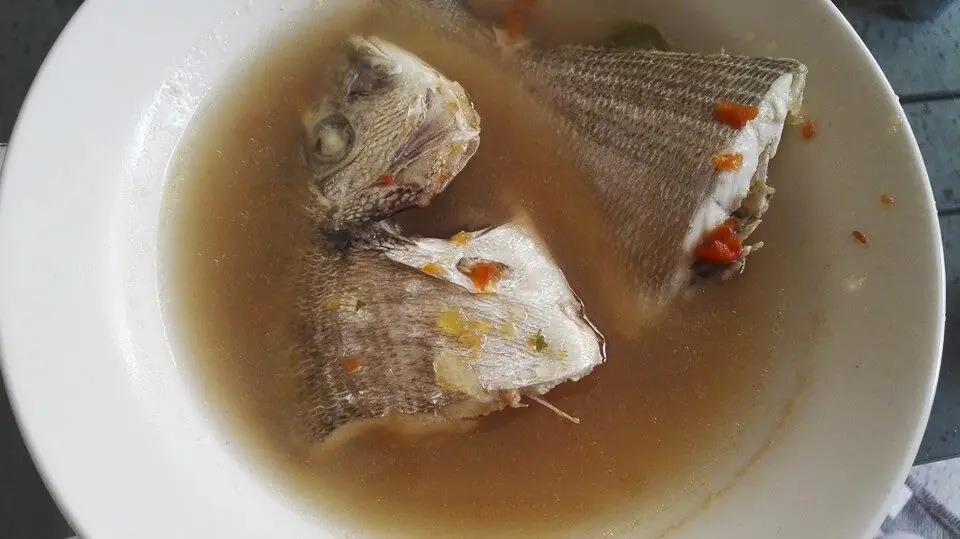 Photo: Miguel Obono · CC BY-SA 4.0
Published by Adama Doumbia, founder of Afrique Unie · updated 28 November 2026 · our method and sources
In Equatorial Guinea, fishing is a way of life for a large part of the population, and the country's signature dish is pepesup: a fiery fish soup. Its name comes from the English pepper soup, which is also eaten in neighbouring Cameroon and Nigeria.
The broth is clear and light but very fragrant: chilli, ginger, garlic and spices, especially calabash nutmeg; some cooks also add grains of paradise. Fresh fish is gently poached in it in thick steaks, and prawns are sometimes added. It is served with boiled cassava, malanga (cocoyam) or plantain.
You will sometimes read online that succotash is Equatorial Guinea's national dish. Yet succotash is a dish of Native North American origin, made with sweetcorn and beans, and we found no source explaining the link, so we chose pepesup, which descriptions of Equatoguinean cuisine present as the country's signature dish.
Ingredients
For the broth
- 1.5 litres (2 1/2 pints) water
- 1 onion, sliced
- 3 garlic cloves, crushed
- 1 piece (4 cm / 1 1/2 in) fresh ginger, grated
- 2 tomatoes, diced
- 1 to 2 Scotch bonnet or habanero chillies, chopped
- 1 teaspoon ground calabash nutmeg (ehuru), or 1/2 teaspoon grated nutmeg
- 1/2 teaspoon crushed grains of paradise, or black pepper
- 1 stock cube
- Salt
For the fish
- 1 kg (2 lb 4 oz) firm fish steaks (Nile perch, sea bass, sea bream or tilapia)
- 1 lime
- 200 g (7 oz) raw peeled prawns, optional
- 1 small bunch of African basil (scent leaf) or basil
To serve
- 800 g (1 lb 12 oz) cassava or malanga (cocoyam), or 3 plantains
Method
- Rinse the fish steaks, rub them with the lime juice and a little salt, then leave them in the fridge while you make the broth.
- Peel the cassava, malanga or plantains, cut them into chunks and boil them in a pan of salted water for 25 minutes.
- Pour the water into a large saucepan and add the onion, garlic, ginger, tomatoes, chilli, calabash nutmeg, grains of paradise and stock cube.
- Bring to the boil, then cover and simmer for 15 minutes so the spices flavour the broth well.
- Gently lower the fish steaks into the simmering broth. Do not stir with a spoon: just shake the pan so the fish does not break up.
- Cook for 12 to 15 minutes over a low heat, until the flesh is opaque right to the bone and flakes easily.
- Add the prawns 3 minutes before the end: they are cooked as soon as they turn pink and opaque.
- Taste the broth and adjust the salt and chilli. Off the heat, add the roughly torn basil leaves.
- Serve the pepesup piping hot in deep bowls, with the cassava, malanga or plantain on the side.
Tips and variations
- Calabash nutmeg (ehuru) and grains of paradise are sold in African grocery shops, sometimes as a ready-made pepper soup spice mix. If you cannot find them, nutmeg and black pepper give a similar result.
- Choose a firm fish that holds together during cooking. Mackerel or catfish also work, and fish heads give a richer broth.
- Chilli is part of the dish's identity, but you can start with just one and serve hot sauce on the side for the brave.
- Pepesup is best eaten on the day. It keeps for 1 day in the fridge: reheat it gently, without boiling, to keep the fish whole.
To serve with it: Serve it with chunks of boiled cassava or plantain and a glass of chilled fresh fruit juice.
Have you tried this recipe?
Be the first to rate it.
Thank you for your rating!
Frequently asked questions
Is succotash really the national dish of Equatorial Guinea?
It appears in some online lists, but with no explanation or source. Succotash is a dish of Native North American origin made with sweetcorn and beans. Descriptions of Equatoguinean cuisine point instead to pepesup, the spicy fish soup.
Where does the name pepesup come from?
It comes from the English pepper soup. The same family of soups exists in Cameroon and Nigeria, made with fish, meat or chicken.
Is pepesup very spicy?
Traditionally, yes: it is a hot soup. But you can adjust the chilli to your taste, and the broth stays fragrant thanks to the ginger and spices.
Which fish should I use for pepesup in Europe or North America?
Sea bass, sea bream, tilapia or frozen Nile perch steaks all work well. Avoid thin fillets, which fall apart in the broth.