Equatorial Guinea intrigues you first with its language: it is the only country in Africa where Spanish is an official language. You hear “buenos días” in the markets of Malabo, read shop signs in Castilian and see arcaded squares and churches that recall Andalusia, all under equatorial heat and exuberant vegetation. This unlikely meeting of Central Africa and Hispanic heritage is found nowhere else on the continent.
The country is geographically unusual too. It is made up of the volcanic island of Bioko, home to the capital, a mainland portion, Río Muni, wedged between Cameroon and Gabon, and small islands, including far-flung Annobón. On Bioko, Pico Basilé rises more than 3,000 metres above a cloud forest, while the southern coast, around Ureca, is one of the wettest places in Africa and one of the great nesting sites for sea turtles. On the mainland, Monte Alén National Park protects a dense forest home to gorillas, chimpanzees and forest elephants.
Travelling here is still an adventure, though. The country is not very tourism-minded, entry formalities have long had a reputation for being complicated, and the permits needed for certain visits or for taking photographs are not always clear. Prices are high, as the economy is centred on oil and gas. But those who take the time to get organised, with the help of local contacts, discover a little-known country with almost untouched nature, where simply being a visitor sparks curiosity and conversation. Check official sources before you leave.
History and culture
The island of Bioko was reached by the Portuguese navigator Fernão do Pó in the late fifteenth century, hence its former name of Fernando Póo. Portugal ceded it to Spain in the late eighteenth century, along with rights on the mainland coast. In the nineteenth century the British set up an anti-slave-trade base there, before Spain developed large cocoa plantations, worked by labourers brought in from other parts of West Africa.
Independence was proclaimed on 12 October 1968. The first president, Francisco Macías Nguema, established an extremely brutal regime that drove a large part of the population into exile. He was overthrown in 1979 by Teodoro Obiang Nguema, who is still in power. The discovery of oil in the 1990s transformed the economy and the urban landscape, with major infrastructure projects, including a new capital under construction on the mainland.
8 experiences not to miss in Equatorial Guinea
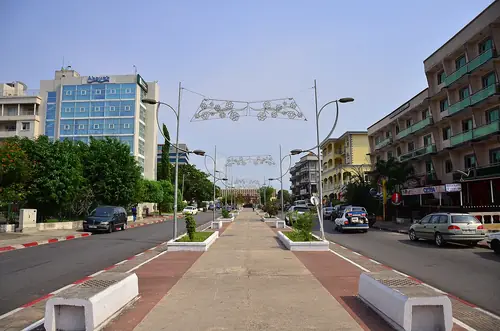
01Stroll through old MalaboWander between Santa Isabel Cathedral, colonial houses with wooden balconies and shady squares.
02Visit an old cocoa fincaDiscover a historic plantation near Malabo and the story of the cocoa that made the island rich.
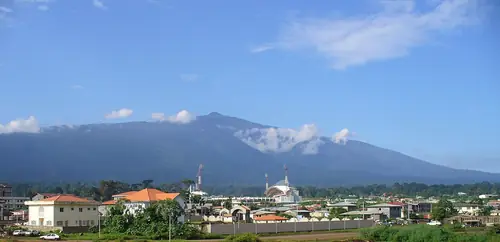
Photo : Serge Moons · CC BY-SA 3.003Climb Pico BasiléHead up to Bioko's summit through the cloud forest for views as far as Mount Cameroon on a clear day.
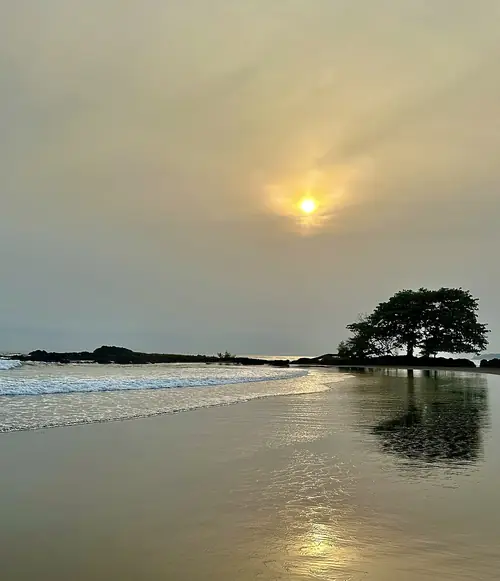
Photo : Francesca Calisti · CC BY-SA 4.004Watch turtles nestingAt Ureca, on the south coast, watch leatherback or green turtles laying their eggs at night in season, with the monitoring teams.
05Discover the Moka lakesIn southern Bioko, hike through the cool highlands around the crater lakes.
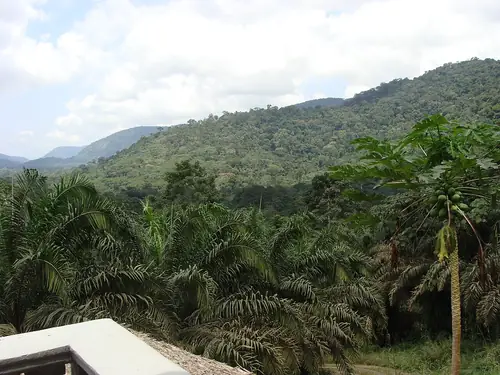
Photo : Mehlauge · CC BY-SA 4.007Track wildlife in Monte AlénHead into the forest with guides in search of signs of gorillas, chimpanzees and forest elephants.
08Listen to Bubi and Fang musicIf the chance arises, join a village celebration with traditional dancing and drumming.
When to go to Equatorial Guinea
The climate is equatorial, hot and humid all year round. On Bioko island, the driest season runs from December to February, the best time to visit Malabo, hike on Pico Basilé and enjoy clearer skies. This is also broadly the sea-turtle nesting season at Ureca. The rest of the year is very wet, especially on the island's southern coast, which receives some of the highest rainfall in Africa. On the mainland, in Río Muni, the pattern is slightly different, with two dry seasons, most marked from December to February and from June to August. Whatever the time of year, pack a rain jacket.
Getting around
Malabo and Bata are linked by regular domestic flights, the easiest way to get from the island to the mainland. The main roads, on Bioko and in Río Muni alike, have largely been tarmacked and are in good condition, though checkpoints are numerous: always keep your documents and permits to hand. Taxis are plentiful in town, usually shared, with fixed fares for short rides; negotiate for longer journeys. To visit Ureca, Moka, Pico Basilé or Monte Alén, hiring a car with a driver, or going through a local contact who knows the procedures, is strongly recommended.
Etiquette and customs
Equatorial Guinea is a country where the authorities are very visible: be patient and courteous at checkpoints, which can be frequent on the roads. Photography is a sensitive subject: you are strongly advised not to photograph official buildings, palaces, soldiers or infrastructure, and a permit was long required for taking photographs in general; ask locally. Greet people in Spanish, with a “buenos días” or “buenas tardes”, and take time to chat. The Fang, the majority on the mainland, and the Bubi, on Bioko, have their own languages and traditions, and a little knowledge of them is appreciated. Neat dress is expected in town.
Food and drink in Equatorial Guinea
Equatoguinean cooking is based on fish, cassava, plantain, yam and palm oil. Fish soups spiked with chilli, sometimes called pepesup, are a mealtime classic, especially in the evening. People also eat grilled fish or chicken, served with fried plantain or cassava sticks. Sauces made from leaves or squash seeds, such as the Fang dish sometimes called nnam, accompany meat and fish. On the coast, prawns and grilled fish abound. Spanish influence shows in the bread, the coffee and certain table habits. Malamba, a sugar-cane drink, can be found in the villages.
The best time to visit Equatorial Guinea: December to February.
What should I see first in Equatorial Guinea?
The must-sees: Pico Basilé, Ureca beaches, Monte Alén National Park.
Which cities should I visit in Equatorial Guinea?
Malabo, Bata, Luba. Capital: Ciudad de la Paz (since 2026) · Malabo (former capital).
How much should I budget for a trip to Equatorial Guinea?
High-end: often more than €120 per person per day, excluding flights. This is only a guide and depends above all on the accommodation and activities you choose.
What currency and languages are used in Equatorial Guinea?
Currency: Central African CFA franc (XAF). Languages: Spanish, French, Portuguese.
How do I get to Equatorial Guinea?
The main international airport has the code SSG. Compare flights with the ‘Flights’ button on this page.
Do I need a visa to visit Equatorial Guinea?
Entry requirements depend on your nationality and change regularly. Check them on the country's official website or with your foreign ministry before booking, and make sure your passport is valid.
What should I eat in Equatorial Guinea?
Dishes to try while you're there: Spicy fish soup, succotash.
Map
Equatorial Guinea on the map
Cities Places to see · Approximate positions
On the ground
Getting around and staying healthy
Getting around
Domestic flights link Malabo, on Bioko island, with Bata on the mainland, notably with Ceiba Intercontinental, but schedules change often, so check them shortly before you travel. In Malabo and Bata, taxis are plentiful and often shared. On the mainland the main roads are in good condition, but checkpoints are frequent: keep your passport and permits within reach. A car with driver, usually arranged through your hotel or an agency, is the simplest option; traffic drives on the right.
Health and safety
Yellow fever
Certificate required only if you arrive from, or transited through, a country with a risk of yellow fever (from 9 months, incl. airport transits over 12 h); vaccine recommended for the whole country (from 9 months).
Malaria
Present throughout the country: ask a doctor about preventive medication and protect yourself from mosquitoes.
Water and food
Unless your accommodation says otherwise, drink sealed bottled or filtered water, and wash your hands often.
Affiliate cookiesWe would like to load a script from our partner Travelpayouts. It may set cookies so that we receive a commission when you book through our links, at no extra cost to you. If you decline, the site works in exactly the same way. Find out more
 AfriqueUnie
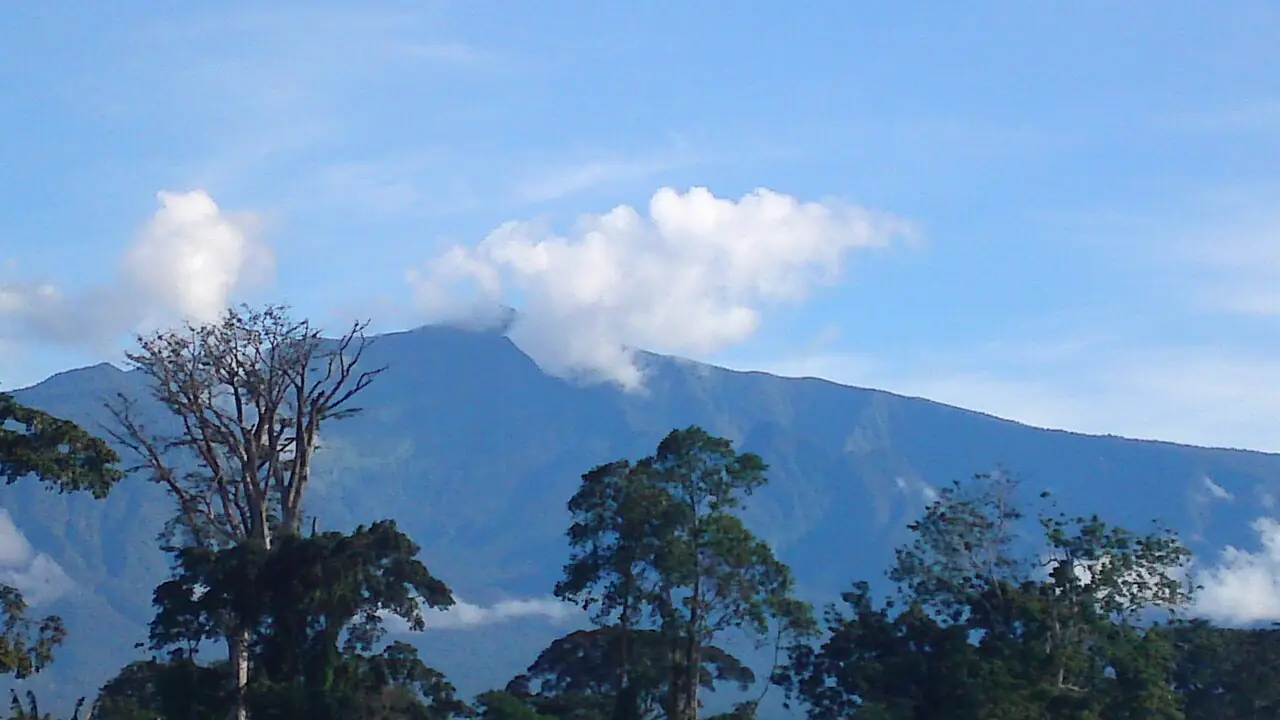 Photo: Serge Moons · CC BY-SA 3.0
 Equatorial Guinea
 Angola
 Cameroon
 Central African Republic
 Chad
 DR Congo
 Gabon
 Republic of the Congo
 São Tomé and Príncipe