 AfriqueUnie
Explore / Questions
Your questions,our answers
30 general answers, plus a set of questions about each of the 54 countries.
Which African country should I choose for a first trip?
Morocco, Senegal, Tunisia, Kenya, Tanzania, South Africa, Mauritius and Cape Verde are all good choices: plenty of flights, accommodation at every price point and itineraries that are easy to organise. Use our ‘Find my country’ tool to narrow things down by interests, budget and month of travel.
When is the best time to travel to Africa?
There is no single answer: the continent spans both hemispheres. As a rule, the dry season is the most pleasant: November to March in West Africa, June to October for safaris in East and southern Africa, and spring and autumn in North Africa. Our ‘When to go’ page shows which countries are in peak season each month.
How much time do I need?
Allow a week for a city and its surroundings or a beach holiday, ten days to a fortnight for one country, and three weeks or more to combine several countries. Distances are vast, so it is better to see less and take your time.
Should I book through an agency or travel independently?
Many countries are easy to explore on your own (Morocco, Senegal, South Africa, Namibia, Kenya, Ghana…). An agency or local guide becomes useful, even essential, for safaris, treks, desert areas and destinations with little tourist infrastructure.
How can I find cheap flights to Africa?
Book two to four months ahead, be flexible with your dates and compare arrival airports: Casablanca, Addis Ababa, Nairobi, Johannesburg, Cairo and Istanbul are major hubs. Every country and city page has a direct link to a flight comparison site.
Can I travel in Africa with children?
Yes. Mauritius, Cape Verde, Morocco, Senegal, South Africa and Namibia are particularly well suited. For safaris, check the minimum age accepted by lodges and favour malaria-free areas, such as some reserves in South Africa.
Do I need a visa to travel to Africa?
It depends on your nationality and the country you are visiting. Depending on the case, you may need nothing at all, an electronic authorisation applied for online before departure, a visa on arrival or a visa obtained in advance from an embassy. The rules change often: always check the country's official website or your government's official travel advice, and make sure your passport is valid for long enough (often six months beyond your return date).
Are there visas valid for several countries?
Yes. The East Africa Tourist Visa covers Kenya, Uganda and Rwanda. The KAZA Univisa covers Zambia and Zimbabwe, which is handy for seeing Victoria Falls from both sides. Conditions change, so check they are available before you travel.
Which vaccinations do I need?
A yellow fever vaccination certificate is required to enter many countries in West and Central Africa, and often for any traveller arriving from an at-risk area. Other vaccines are generally recommended. See a doctor or a travel clinic at least six weeks before you leave.
Do I need malaria tablets?
Malaria is present across much of sub-Saharan Africa. Protecting yourself against mosquitoes (repellent, long sleeves in the evening, a mosquito net) is essential, and preventive medication is often prescribed. Only a doctor can advise you, depending on your destination and the season.
Do I need travel insurance?
Yes: it is strongly recommended and sometimes compulsory. Make sure it covers medical expenses abroad and repatriation, as well as the activities you have planned (safaris, diving, trekking).
How much should I budget for a trip to Africa?
Excluding flights, allow around €30–60 a day in the most affordable countries (Morocco, Egypt, Ethiopia, Madagascar, Togo, Benin), €60–120 in most others, and more for upmarket safaris (Botswana, Tanzania), gorilla permits or the Seychelles. Every country page gives an indication of prices.
How do I pay once I am there?
Cash is still king, especially outside the big cities. Visa and Mastercard are accepted in hotels, supermarkets and at cash machines in towns and cities. Mobile payments (M-Pesa, Orange Money, Wave, MTN MoMo) are widespread in many countries. Let your bank know before you travel.
What is the CFA franc?
It is the currency of fourteen countries. The West African CFA franc (XOF) and the Central African CFA franc (XAF) have the same value, pegged to the euro (€1 = 655.957 CFA francs), but their banknotes cannot be used interchangeably from one zone to the other.
Should I tip?
Tips are appreciated and often expected for guides, drivers, safari trackers and porters. In restaurants, 5–10% is usual when service is not included. Check local customs in each country.
Should I haggle over prices?
In markets, souks and taxis without a meter, yes: bargaining is part of the culture. Keep smiling and decide on your price before you start. In shops with marked prices, restaurants and hotels, you do not haggle.
How do I get around between African countries?
Flying is often the easiest option for long distances: Ethiopian Airlines, Royal Air Maroc, Kenya Airways, EgyptAir, Air Côte d'Ivoire and ASKY connect many capitals. By road, buses and shared taxis link neighbouring countries, but allow time for border crossings.
Can I hire a car?
Yes, and it is ideal in South Africa, Namibia, Morocco, Tunisia and Mauritius. Elsewhere, hiring a car with a driver is often more practical and only slightly more expensive. An International Driving Permit is recommended, and in around fifteen countries in East and southern Africa they drive on the left.
Is there internet access and mobile coverage?
4G covers most towns and main roads. The cheapest option is to buy a local SIM card on arrival (you will need your passport) or an eSIM before you leave. In the bush and the desert, the signal can disappear.
Can I drink the tap water?
In most countries it is best to drink sealed bottled water or filtered water, and to avoid ice outside establishments you trust. A filter water bottle cuts down on plastic waste.
What languages are spoken?
More than 2,000 languages are spoken on the continent. French, English, Arabic, Portuguese and Swahili will get you understood almost everywhere. Learning to say hello and thank you in the local language opens every door: see our phrasebook.
Can I take photos of people?
Always ask permission before photographing someone. Avoid photographing government and military buildings, airports and bridges: it is forbidden in many countries.
What should I wear?
Light, loose clothing that covers you up works everywhere. In Muslim areas and places of worship, cover your shoulders and knees. On safari, stick to neutral colours. Evenings can be cool at altitude and in the desert.
Where can I go on the best safari?
Kenya and Tanzania for the Great Migration, Botswana for the Okavango Delta, South Africa for an easy self-organised safari, Zambia for walking safaris and Namibia for desert wildlife. Rwanda and Uganda are the go-to destinations for gorillas.
What are the Big Five?
The lion, leopard, elephant, rhinoceros and buffalo. The term comes from big-game hunters of the past; today it refers to the five animals travellers most dream of seeing.
When can I see the Great Migration?
The wildebeest move all year round between Tanzania and Kenya. Calving takes place in the southern Serengeti from January to March; the Mara River crossings usually happen between July and October.
How can I see mountain gorillas?
In Rwanda (Volcanoes National Park), Uganda (Bwindi, Mgahinga) or the DR Congo (Virunga). A paid permit, available in limited numbers, is compulsory: book several months in advance. The encounter lasts one hour, after a walk of anything from one to several hours.
Is Africa dangerous for travellers?
Africa has 54 countries in very different situations. Many are safe and welcoming destinations; a few are affected by conflict and travel there is advised against. The pages for those countries display a warning. Before any trip, read your government's official travel advice.
Can a woman travel alone in Africa?
Yes, many women do. Rwanda, Ghana, Senegal, Namibia, Botswana, Mauritius and Cape Verde are often cited as comfortable destinations. The usual precautions apply: well-reviewed accommodation, pre-booked transport for night-time arrivals and clothing suited to local customs.
What everyday precautions should I take?
The same as in any big city in the world: keep valuables out of sight, avoid walking alone at night in neighbourhoods you do not know, use official taxis or ride-hailing apps, and keep a digital copy of your documents.
By country
A question about a particular country?
 Algeria
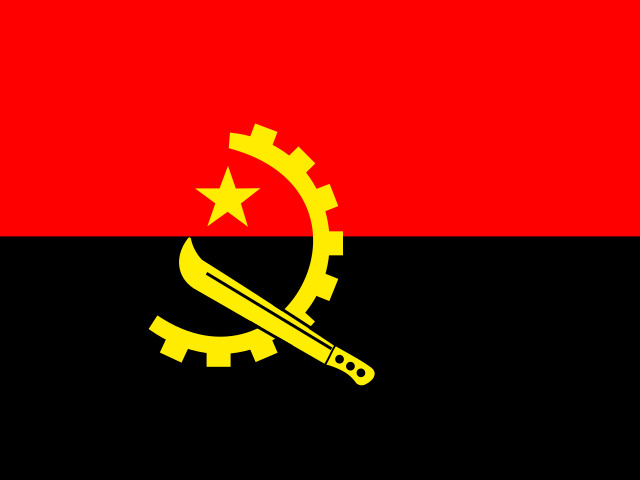 Angola
 Benin
 Botswana
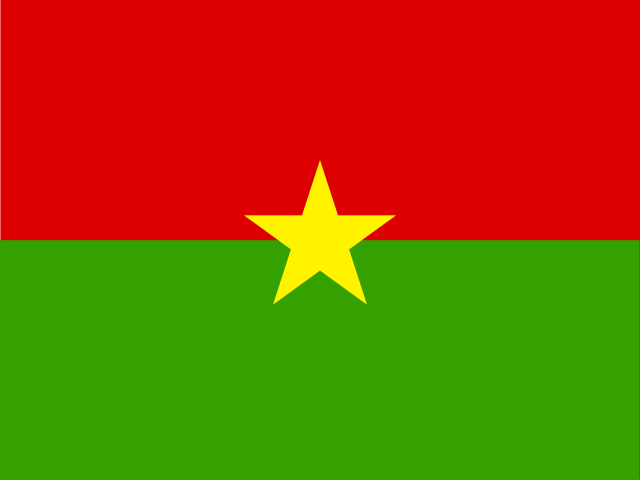 Burkina Faso
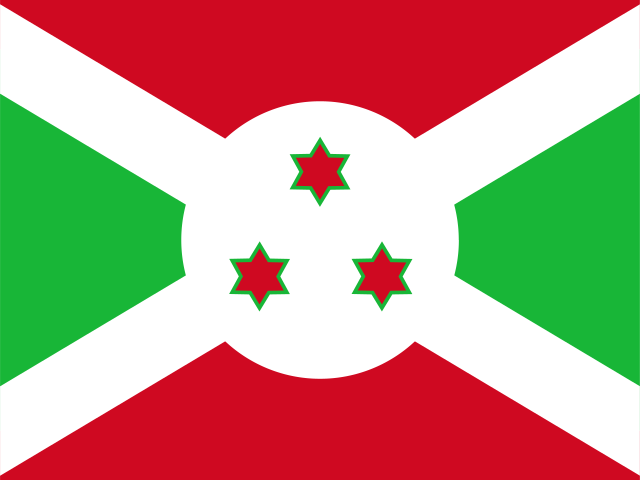 Burundi
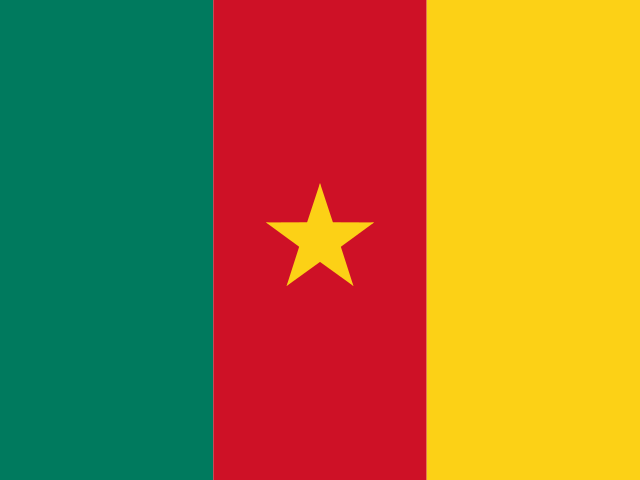 Cameroon
 Cape Verde
 Central African Republic
 Chad
 Comoros
 Côte d'Ivoire
 Djibouti
 DR Congo
 Egypt
 Equatorial Guinea
 Eritrea
 Eswatini
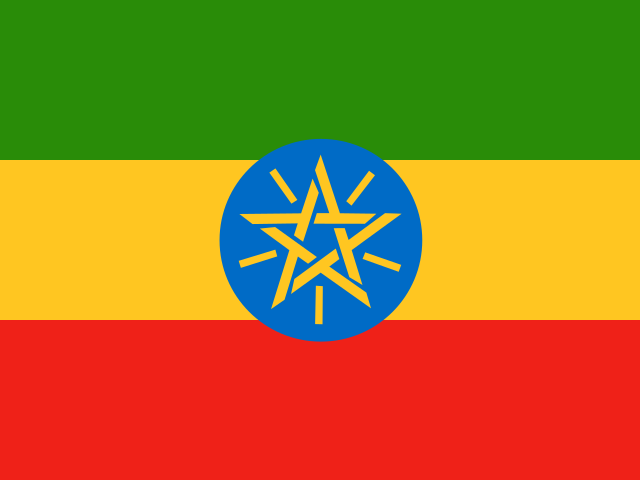 Ethiopia
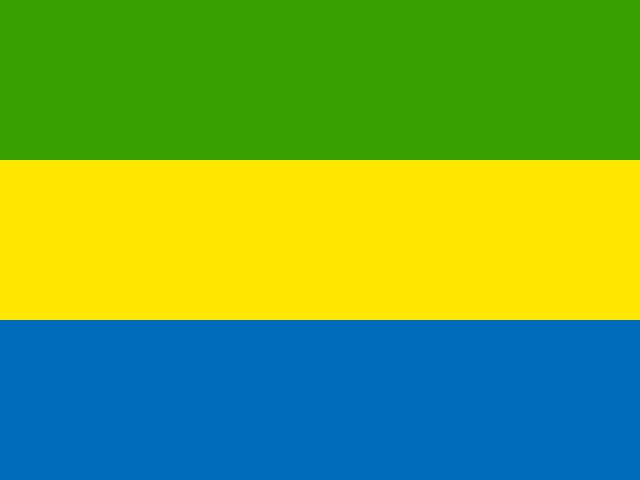 Gabon
 Ghana
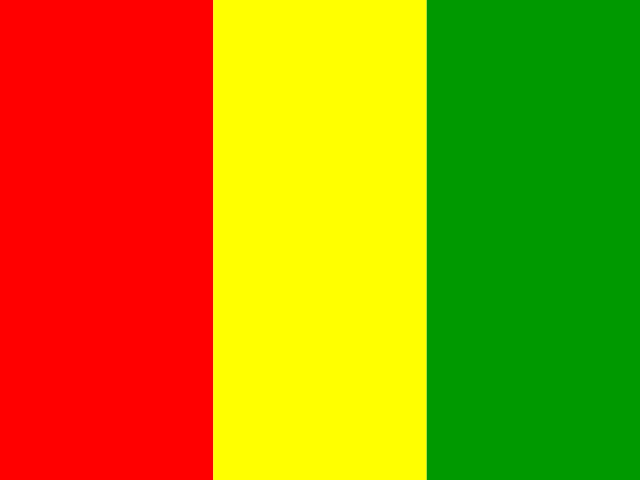 Guinea
 Guinea-Bissau
 Kenya
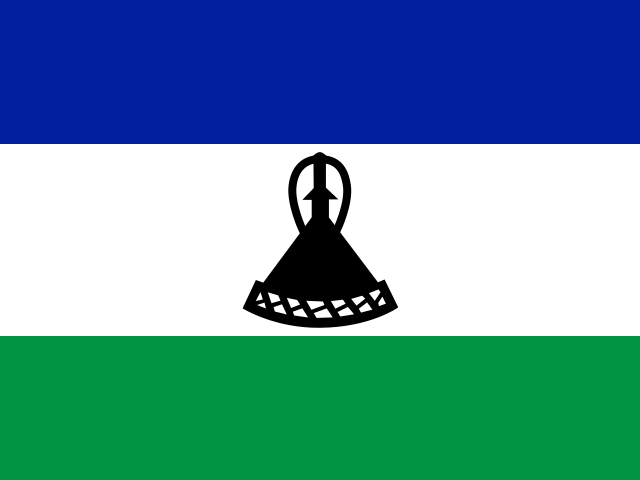 Lesotho
 Liberia
 Libya
 Madagascar
 Malawi
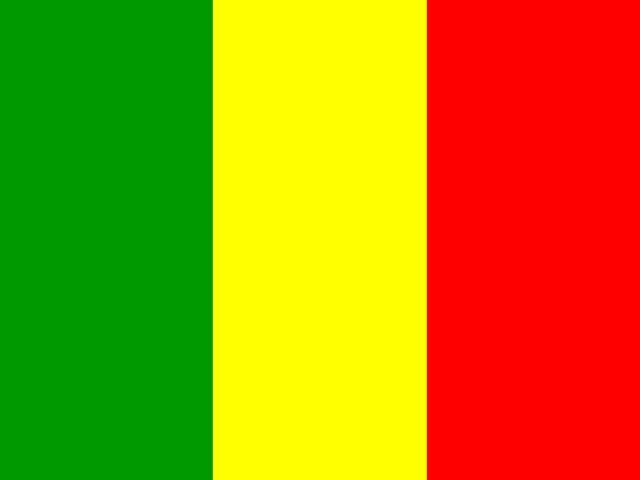 Mali
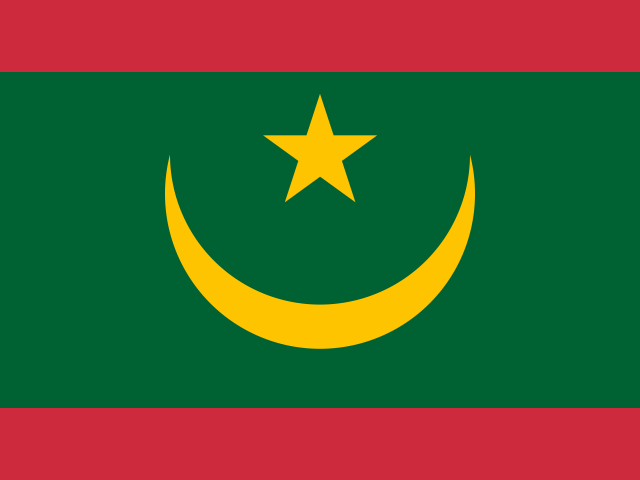 Mauritania
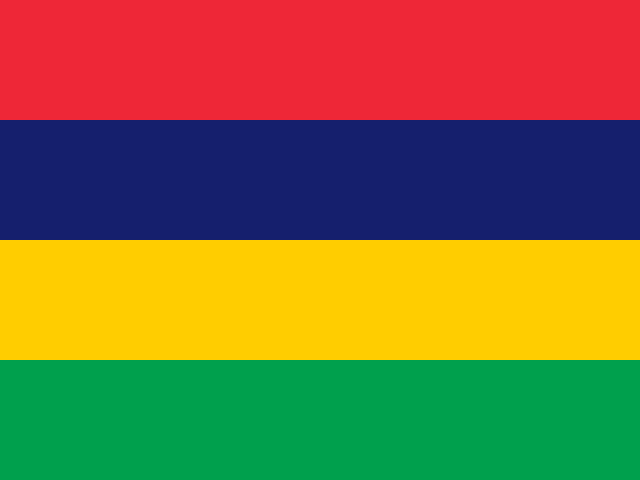 Mauritius
 Morocco
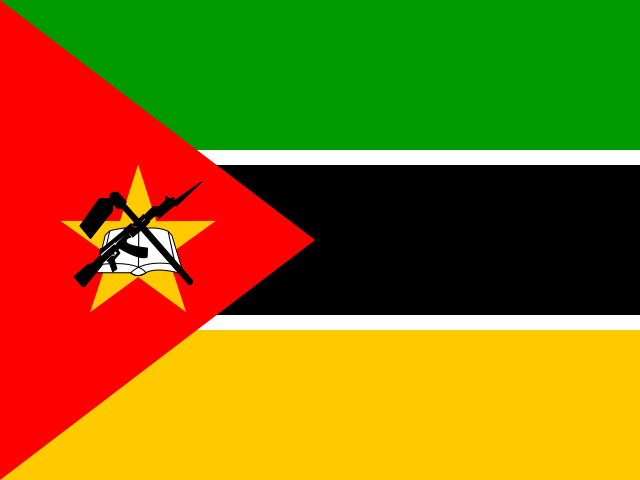 Mozambique
 Namibia
 Niger
 Nigeria
 Republic of the Congo
 Rwanda
 São Tomé and Príncipe
 Senegal
 Seychelles
 Sierra Leone
 Somalia
 South Africa
 South Sudan
 Sudan
 Tanzania
 The Gambia
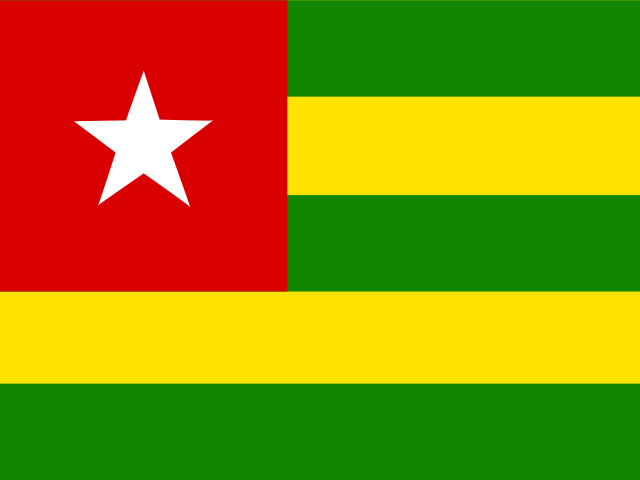 Togo
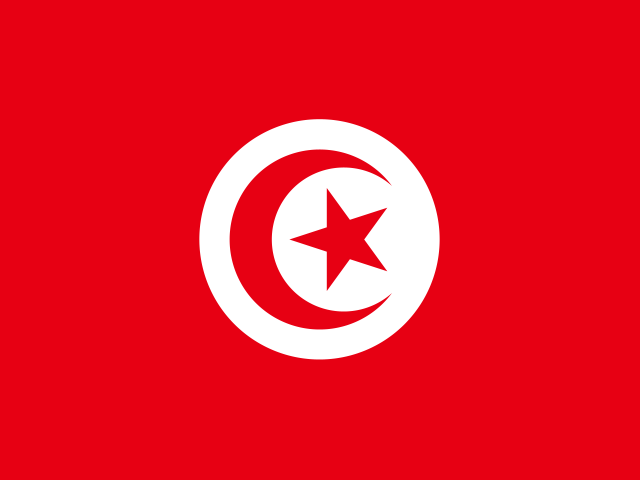 Tunisia
 Uganda
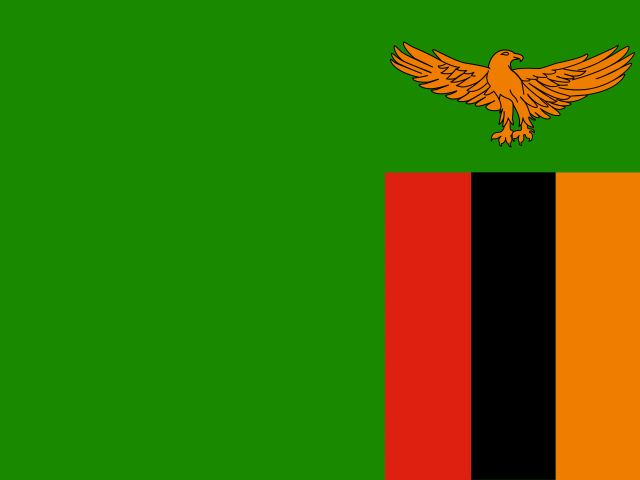 Zambia
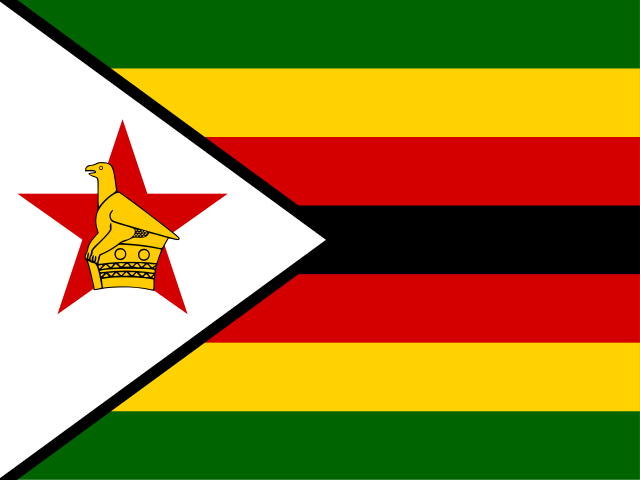 Zimbabwe
These answers are general and for guidance only. For health matters, see a doctor; for entry requirements and safety, check official sources.