 AfriqueUnie
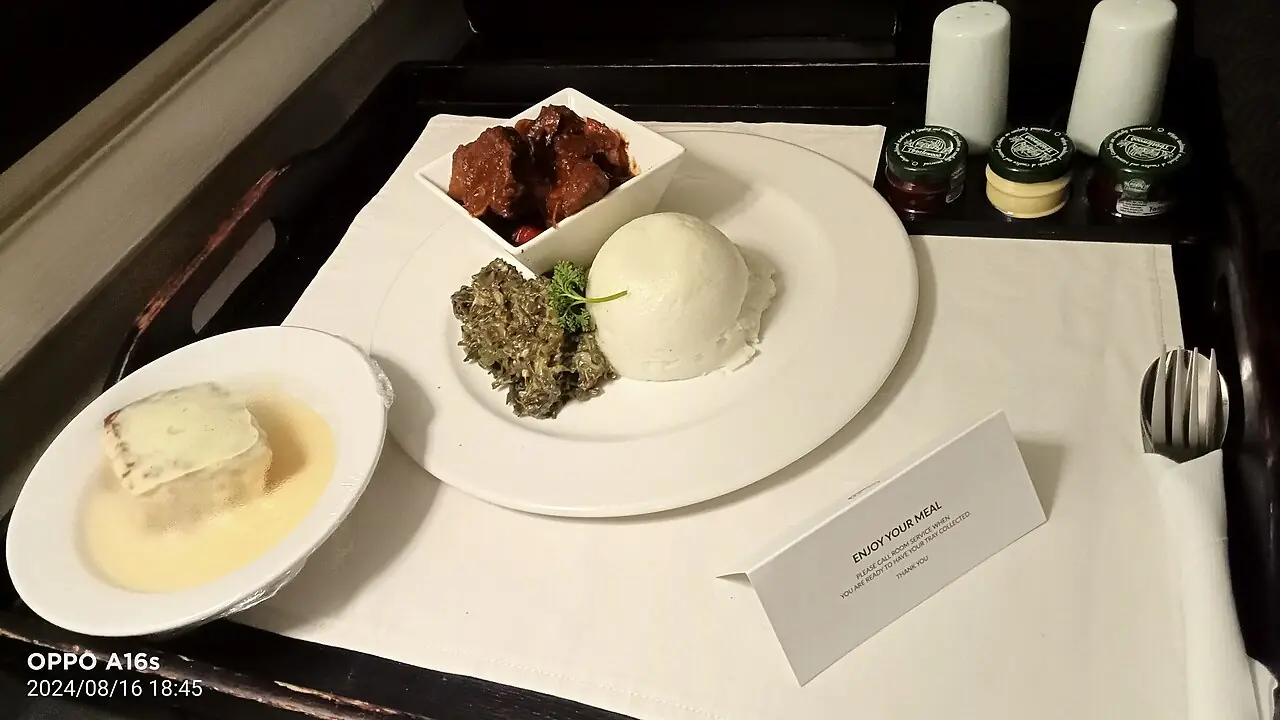 Photo: Puoyaka · CC0
Published by Adama Doumbia, founder of Afrique Unie · updated 28 November 2026 · our method and sources
Sishwala is the thick maize porridge that comes with most meals in Eswatini, formerly known as Swaziland. In siSwati, the national language, the name refers to this firm porridge served with meat or vegetables. It is a close cousin of South African pap, Kenyan ugali and Malawian nsima: the same idea under different names from one country to the next.
Swazi cooking follows the seasons and relies on two grains, maize and sorghum, often served with goat meat or beef. Traditionally, the cattle byre is said to sit at the centre of the homestead, as cattle are both a store of wealth and a sign of prestige. At local markets, food stalls still sell traditional meat stew with maize porridge.
Our version pairs sishwala with beef slowly simmered with tomatoes, carrots and potatoes, the way it is cooked for a family meal. It is eaten with the right hand: take a little porridge, roll it into a small ball and use it to scoop up the meat and sauce.
Ingredients
For the beef stew
- 1.2 kg (2 lb 10 oz) braising beef (chuck or shin), cut into 4 cm (1 1/2 in) cubes
- 3 tablespoons sunflower oil
- 2 onions, sliced
- 3 garlic cloves, chopped
- 1 teaspoon mild curry powder, optional
- 3 ripe tomatoes, grated or chopped
- 1 litre (1 3/4 pints) hot water
- 1 bay leaf
- 2 carrots, cut into thick rounds
- 3 potatoes, cut into large chunks
- 1 green pepper, cut into strips
- Salt and black pepper
For the sishwala
- 500 g (1 lb 2 oz) fine white maize meal
- 1.5 litres (2 2/3 pints) water
- 1 teaspoon salt
Method
- Pat the beef dry with kitchen paper, then season it with salt and pepper.
- Heat the oil in a casserole over a high heat and brown the meat in two or three batches, about 5 minutes per batch, until well coloured on all sides. Set aside.
- Lower the heat, add the onions and let them soften for 8 minutes, scraping up the browned bits from the bottom. Add the garlic and curry powder and stir for 1 minute.
- Add the tomatoes and cook for 5 minutes. Return the meat and its juices, pour in the hot water, add the bay leaf, cover and simmer gently for 1 hour 15 minutes.
- Add the carrots, potatoes and green pepper. Cook for a further 35 to 40 minutes, until the meat is very tender and the potatoes are soft. If the sauce is too thin, finish uncovered. Taste and adjust the seasoning.
- Meanwhile, make the sishwala. Mix 150 g (5 oz) of the maize meal with 250 ml (9 fl oz) cold water. Bring the rest of the water (1.25 litres) to the boil with the salt, pour in the mixture while stirring and cook for 5 minutes: you now have a runny porridge.
- Sprinkle in the remaining maize meal a little at a time, stirring hard with a wooden spoon. Press out any lumps against the side of the pan until you have a thick, smooth dough that comes away from the sides.
- Cover, turn the heat to its lowest setting and cook for 15 to 20 minutes, turning the dough over once halfway through. The sishwala is ready when it no longer tastes of raw flour.
- Shape rounded portions with a ladle or bowl dipped in cold water. Serve the sishwala piping hot next to the stew, with plenty of sauce.
Tips and variations
- Fine white maize meal (sometimes sold as mealie meal) is available in African grocery shops. Fine cornmeal also works; yellow polenta gives a different taste and colour but is a fair stand-in.
- For a version closer to rural cooking, swap the beef for 1.2 kg (2 lb 10 oz) of goat on the bone and add 20 to 30 minutes to the cooking time.
- Swazis also serve sishwala with vegetables, for example pumpkin leaves cooked with ground peanuts (umbidvo wetintsanga). Spinach with unsweetened peanut butter makes a good substitute.
- The stew keeps for 3 days in the fridge and freezes very well. Leftover sishwala can be sliced when cold and fried until golden the next day.
To serve with it: Serve it with a glass of emahewu, Eswatini's lightly fermented maize drink, or simply with cool water.
Have you tried this recipe?
Be the first to rate it.
Thank you for your rating!
Frequently asked questions
What is the difference between sishwala, pap and ugali?
They are the same idea: maize meal cooked in water until stiff. The name changes with the country and language: sishwala in Eswatini, pap in South Africa, ugali in Kenya and Tanzania, nsima in Malawi.
How do I avoid lumps in sishwala?
Mix part of the maize meal with cold water before adding it to the boiling water, then sprinkle in the rest while stirring constantly. Pressing the dough against the side of the pan with a wooden spoon helps a lot.
Can I use polenta instead of white maize meal?
Yes, at a pinch. Polenta is yellow and coarser, so the sishwala will be slightly firmer and sweeter. You may need a little more water and a slightly longer cooking time.
Is Swazi stew spicy?
No, it is mild and fragrant. The curry powder is optional. If you like heat, add a fresh chilli to the sauce or serve a hot sauce on the side.