Eswatini fits in the palm of your hand: barely two hundred kilometres from north to south, squeezed between South Africa and Mozambique. And it is precisely this small size that gives it its charm. In a single morning you can go from the misty highlands around Mbabane, where pines and eucalyptus cloak the hills, to the warm Ezulwini Valley and then on to the flat savannahs of the Lowveld, home to rhinos and elephants. The short distances leave time to stop, chat and linger in a workshop, something the large neighbouring countries rarely allow.
But the real reason to come is the vitality of a culture that is not staged for visitors. The kingdom is one of the last absolute monarchies on the planet, and social life is still shaped by the great national ceremonies, Umhlanga at the end of the southern summer and Incwala around the December solstice. In the countryside you still see men in emahiya, the printed cloth knotted over the shoulder, and women wearing the traditional bun of married women. None of this is folklore: these are markers of identity, worn with pride at weddings, funerals or a simple meeting of the chieftaincy.
The country also wins you over with its approach to wildlife. The reserves are compact, well run and accessible without a big budget: at Mlilwane you walk or cycle among the zebras; at Hlane you watch from a camp terrace as rhinos come down to drink at the waterhole. Add crafts of astonishing quality, from recycled glass blown near Mbabane to the sculpted candles of the Malkerns Valley, woven sisal-grass baskets and batik fabrics, and you will understand why so many travellers who planned to spend one night on their way to Kruger National Park end up staying a week.
History and culture
The Swazi are descended from Nguni clans that migrated south over the centuries and settled in the region in the 18th century under the leadership of the Dlamini dynasty. In the 19th century King Sobhuza I and then his son Mswati II, from whom the country takes its name, consolidated the kingdom in the face of Zulu pressure and Boer ambitions. Land concessions granted to settlers, followed by the British protectorate established at the turn of the 20th century, stripped the Swazi of much of their land.
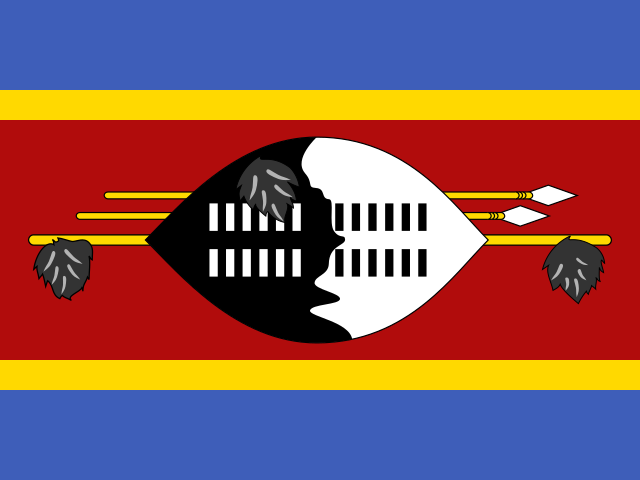
Independence came in 1968 under Sobhuza II, whose reign was one of the longest in modern history; he suspended the constitution in 1973 and ruled by decree. His son Mswati III has reigned since 1986. In 2018 the monarch officially renamed the country Eswatini, meaning “land of the Swazi”. The kingdom experiences recurring political tensions, with calls for democratisation, notably during the protests of 2021, but remains a peaceful and welcoming country for travellers.
8 experiences not to miss in Eswatini
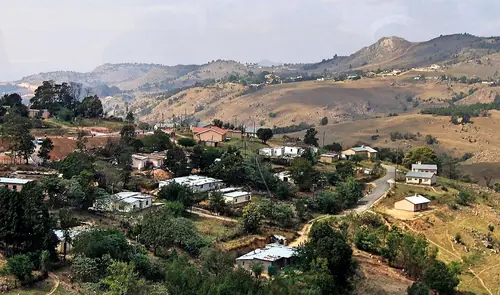
Photo : Vaiz Ha · CC BY 2.001Walk among the zebrasAt Mlilwane, the trails around the main camp let you approach zebras, warthogs and antelope on foot, with no vehicle and no fence.
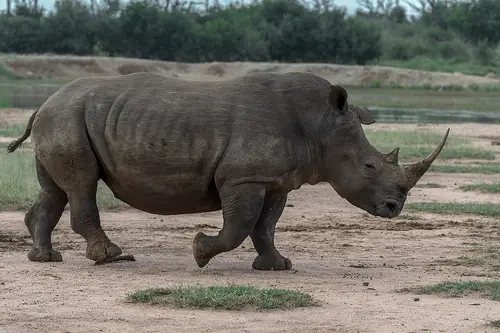
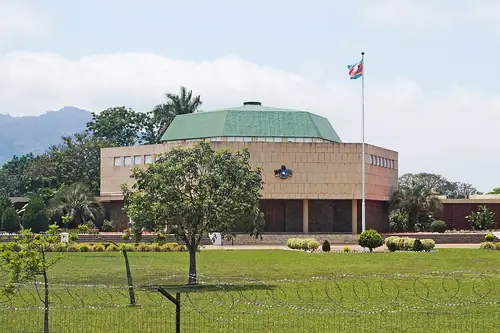
Photo : 總統府 · CC BY 2.002Keep watch at the Hlane waterholeAt Hlane's camp, which has no electricity, you dine by lantern light while white rhinos come to drink just a few dozen metres away.
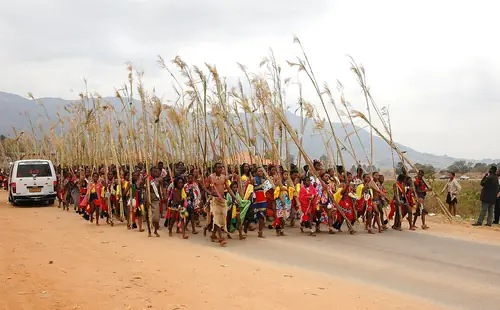
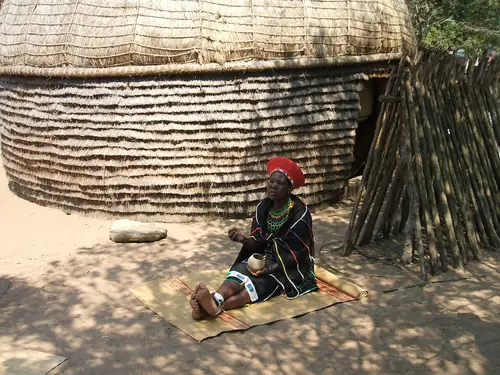
Photo : Amada44 · Public domain03Attend UmhlangaIn late August or early September, the Reed Dance brings together tens of thousands of young women at Lobamba, a spectacle on a unique scale.
04Watch glassblowing at NgwenyaNear the Oshoek border, artisans turn salvaged bottles into animals and colourful tableware; you watch them at work from a walkway.
05Climb Sibebe RockThis immense granite dome near Mbabane is climbed on a guided hike, with views over the hills of the Highveld.
06Wander the Malkerns ValleyCandle workshops, weaving shops and country cafés dot this farming valley, ideal for a peaceful half-day.
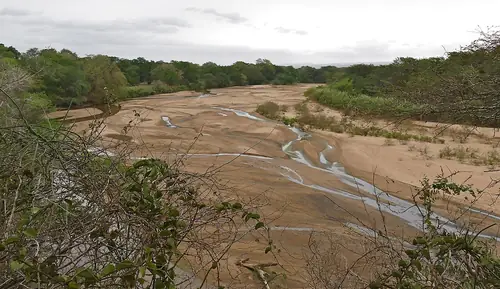
Photo : Bernard DUPONT · CC BY-SA 2.007Raft the Great UsutuDepending on the water level, rafting or inflatable-kayak trips run rapids hemmed in by the gorges of the Lowveld.
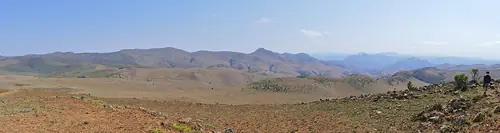
Photo : Bernard DUPONT · CC BY-SA 2.008Hike in MalolotjaThe country's wildest reserve, in the north-west, offers multi-day trails past waterfalls, high grasslands and deep gorges.
When to go to Eswatini
The dry season, from May to September, is the most rewarding for wildlife watching: the grass is short, animals gather near waterholes and the tracks stay passable. The days are sunny and mild, but nights can be distinctly cold in the hills around Mbabane, where there is sometimes frost in June and July; bring a proper jumper. From October to March the southern summer brings late-afternoon storms, vivid green vegetation and real heat in the Lowveld, where malaria calls for greater precautions. If you can, time your trip to coincide with Umhlanga, in late August or early September, or with the Bushfire festival at the end of May.
Getting around
Most travellers arrive by road from South Africa, through the border posts at Oshoek, near Mbabane, Ngwenya, or Mananga and Lavumisa, or from Mozambique via Lomahasha. King Mswati III International Airport, in the east of the country, receives flights from Johannesburg. Once there, hiring a car is the most flexible option: the main roads are good, you drive on the left, and distances are counted in tens of kilometres. Shared minibuses, known as khumbi, link every town cheaply but leave only when full. For the reserves, your own vehicle or an organised excursion from Ezulwini is a must.
Etiquette and customs
Always greet people before asking for anything: “Sawubona” means hello, and you wait for the reply before carrying on. Elders are treated with great deference, and you hand over or receive an object with your right hand, the left resting on your forearm as a sign of respect. Part of the population is deeply attached to the royal family: avoid sweeping political remarks and never photograph the royal residences or the king without explicit permission. At ceremonies, follow the organisers' instructions and ask before photographing anyone. In rural areas, clothing that covers the shoulders and knees is appreciated.
Food and drink in Eswatini
Swazi food is simple, filling and generous. The staple is maize porridge, served stiff under the name sishwala or mixed with beans, alongside greens, pumpkin or a beef or goat stew. Emasi, soured milk with a tangy flavour, is eaten on its own or poured over crumbled maize porridge; it is the ultimate comfort food. At weekends the braai, a barbecue tradition shared with neighbouring South Africa, brings families and friends together over sausages, chops and grilled corn on the cob. Try too umncweba, dried meat, and sidvudvu, pumpkin porridge. The tropical fruit of the Lowveld, pineapples and lychees in season, are remarkably sweet.
Mid-range: around €60–120 per person per day, excluding flights. This is only a guide and depends above all on the accommodation and activities you choose.
The main international airport has the code SHO. Compare flights with the ‘Flights’ button on this page.
Do I need a visa to visit Eswatini?
Entry requirements depend on your nationality and change regularly. Check them on the country's official website or with your foreign ministry before booking, and make sure your passport is valid.
What should I eat in Eswatini?
Dishes to try while you're there: Sishwala, emasi, braai.
Map
Eswatini on the map
Cities Places to see · Approximate positions
On the ground
Getting around and staying healthy
Getting around
The country is small and can be crossed in a few hours: there are no domestic flights or passenger trains. Kombis (minibuses) link Mbabane, Manzini and smaller towns from the bus ranks, and taxis are available in town. Renting a car, often from South Africa, is the most practical option for reserves such as Hlane or Mlilwane. Traffic drives on the left.
Health and safety
Yellow fever
Certificate required only if you arrive from, or transited through, a country with a risk of yellow fever (from 9 months, incl. airport transits over 12 h); vaccine generally not recommended.
Malaria
Present in some areas (eastern areas, Lubombo and the eastern half of the other regions): ask a doctor depending on your itinerary.
Water and food
Unless your accommodation says otherwise, drink sealed bottled or filtered water, and wash your hands often.
Affiliate cookiesWe would like to load a script from our partner Travelpayouts. It may set cookies so that we receive a commission when you book through our links, at no extra cost to you. If you decline, the site works in exactly the same way. Find out more
 AfriqueUnie
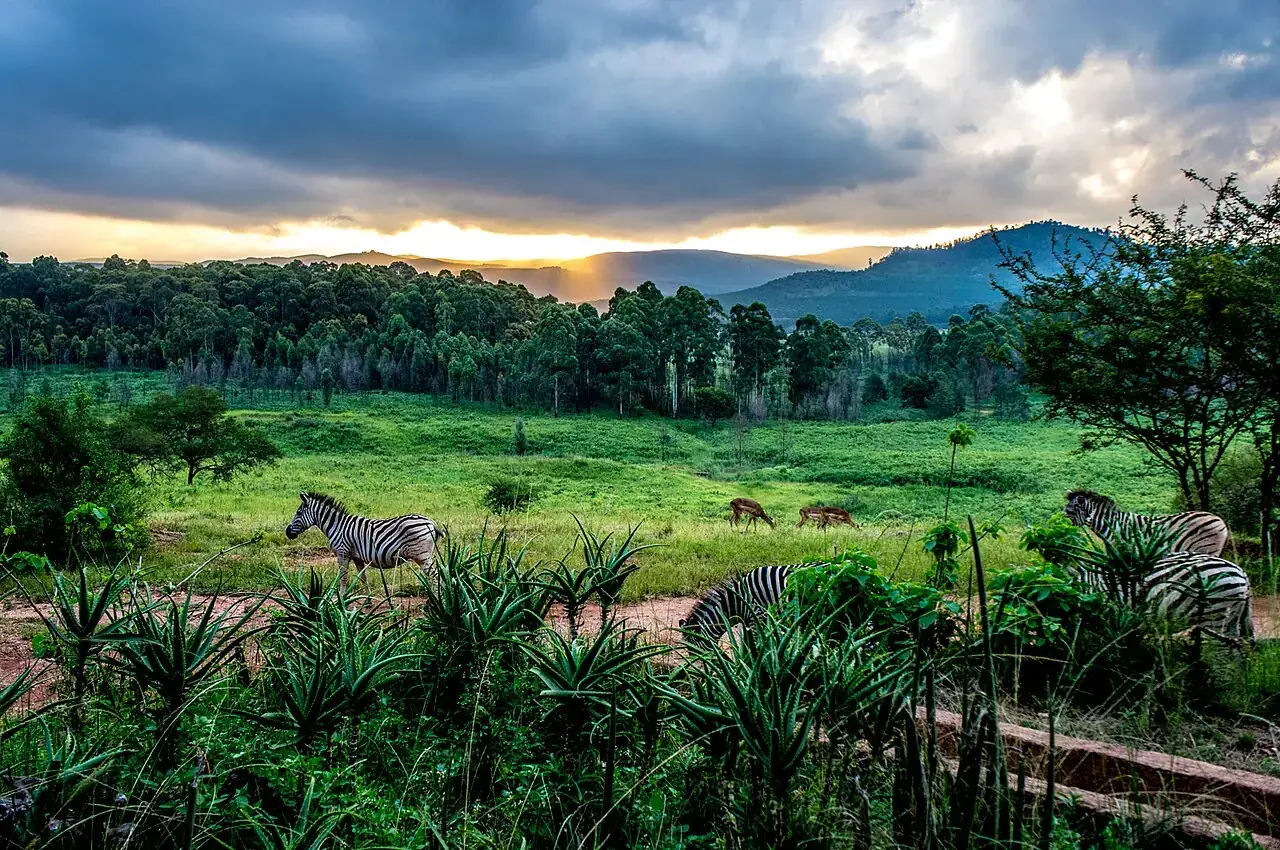 Photo: Vaiz Ha · CC BY 2.0
 Eswatini
 Botswana
 Lesotho
 Malawi
 Mozambique
 Namibia
 South Africa
 Zambia
 Zimbabwe