 AfriqueUnie
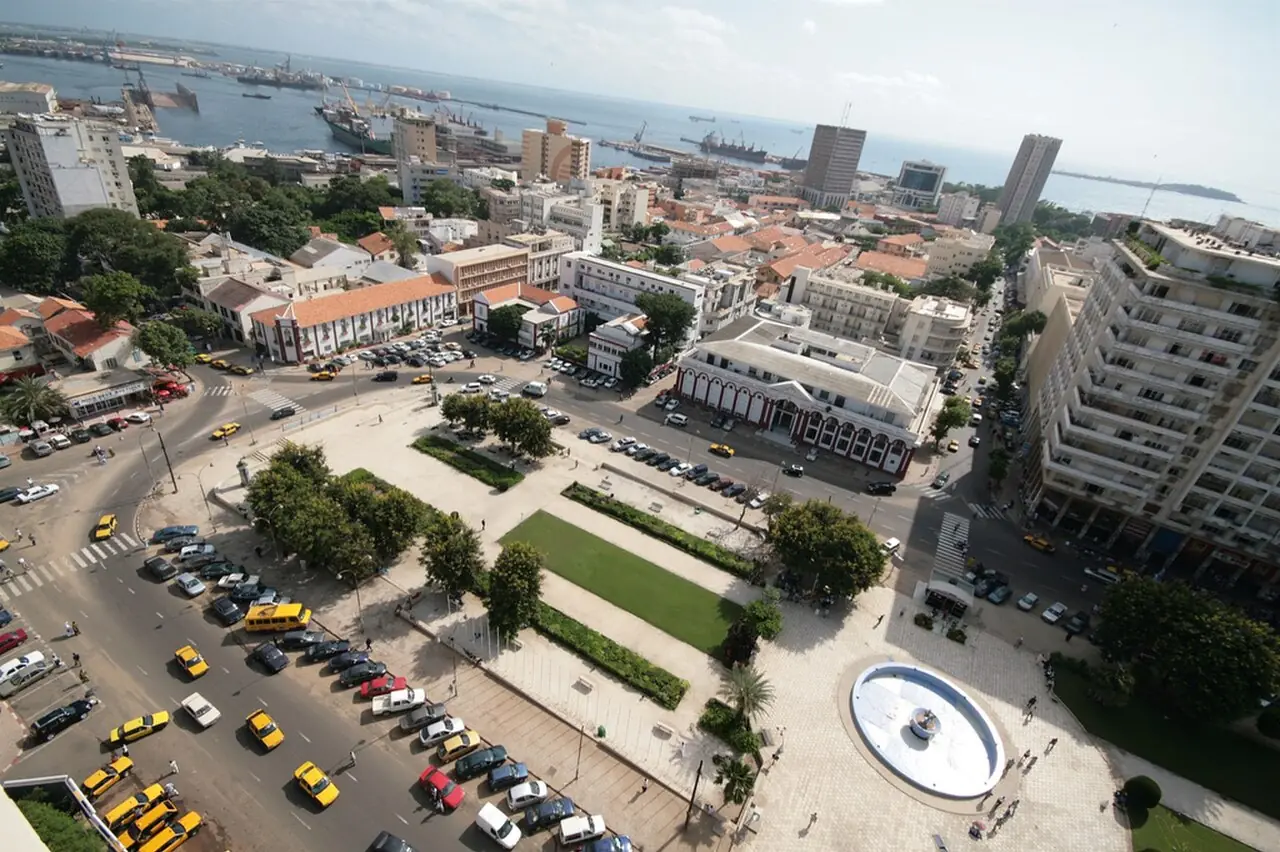 Photo: mostroneddo · CC BY 2.0
Published by Adama Doumbia, founder of Afrique Unie · updated 28 November 2026 · our method and sources
Day 1: The Plateau, its markets and museums
- 01MorningStart at Place de l'Indépendance, the heart of the Plateau, then walk five minutes to Kermel Market, rebuilt in the style of the original hall, with its stalls of fruit, flowers and crafts. Go early, before the heat. Avoid photographing official buildings in the area, such as the presidential palace, and members of the security forces.
- 02LunchHave thieboudienne for lunch, the national dish of rice, fish and vegetables, traditionally served at midday in a large shared bowl. If you are invited to eat with your hands, use your right hand. Then stop for a café Touba, coffee spiced with grains of selim and sold on the street.
- 03AfternoonVisit the Théodore Monod Museum of African Art on Place Soweto, rich in masks and ritual objects from West Africa, then take a taxi to the Museum of Black Civilisations, a vast circular building near the TER railway station devoted to the contributions of Africa and its diasporas. Allow two hours for the latter.
- 04EveningIn the late afternoon, take a taxi to Soumbédioune to see the pirogues come in: the fish market buzzes on the beach and the neighbouring craft village brings together jewellers, sculptors and leatherworkers. Do not walk along the Corniche afterwards, as the French authorities report attacks on pedestrians there after nightfall.
Day 2: Gorée Island and the western Corniche
- 01MorningCatch one of the first ferries from Dakar's maritime terminal at the port; the crossing takes around twenty minutes. On the car-free island, visit the House of Slaves and its Door of No Return, a memorial to the Atlantic slave trade, then climb to the Castel, the island's high point, for the view across to Dakar.
- 02LunchHave lunch on the island, facing the little beach where people swim in the shelter of the jetty, then wander the lanes of ochre and pink houses among bougainvillea and artists' studios. The history museum, in the Fort d'Estrées, rounds off the visit. Head back to Dakar on an early-afternoon ferry.
- 03AfternoonTake a taxi along the western Corniche to Ouakam and the Mosque of the Divinity, standing at the water's edge: visit it modestly dressed, with a headscarf for women. Carry on to the African Renaissance Monument, a 52-metre bronze statue perched on one of the Mamelles hills.
- 04EveningGo up to the Mamelles lighthouse for sunset: from the highest point of the peninsula, the view takes in the ocean, Ouakam and Les Almadies. Come back down by taxi before it is fully dark and have grilled fish for dinner around Les Almadies or Ngor, where most of the seafront places are.
Day 3: Lake Retba, Ngor and Les Almadies
- 01MorningLeave around 8am for Lake Retba, the Pink Lake, about an hour's drive north-east of Dakar. Its colour, caused by a micro-alga, is strongest in the dry season and when the sun is high. Watch the salt harvesters, who coat their skin with shea butter, and stay alert: the French authorities report assaults at the lake.
- 02LunchDo not swim off the nearby beach on the Grande Côte, where the sea is dangerous and often unsupervised. Instead, head back towards Ngor, about an hour's drive depending on traffic, for a lunch of fish or yassa, chicken or fish marinated in lemon and onions, on the village beach.
- 03AfternoonA pirogue ride of a few minutes takes you to car-free Ngor Island, with its lanes, colourful houses and waves popular with surfers. Swim only in the sheltered cove where local people swim, and keep an eye on the time of the last pirogue back to the mainland.
- 04EveningFinish at the Pointe des Almadies, the westernmost point of mainland Africa, for a final sunset over the Atlantic. The area is full of seafood restaurants and nightlife. Take a taxi or a ride-hail back, and do not walk along poorly lit roads.
Practical tips
- 01Getting aroundTaxis are everywhere: agree the fare before you get in. Ride-hailing apps also work. Traffic jams can turn fifteen minutes into an hour, so group your visits by area and set off early in the morning.
- 02Where to stayThe Plateau is handy for the museums and the Gorée ferry, but empties in the evening. Les Almadies and Ngor, on the western tip, suit a relaxed stay by the ocean. Mermoz, Fann and Point E offer a central location and a residential feel.
- 03When to goThe dry season, from November to June, is the most pleasant, with temperatures tempered by the trade winds from December to April. From July to October, the rains bring humid heat and violent storms that can flood the streets.
- 04Safety and etiquetteLeave jewellery and large sums of cash behind, carry your passport for the frequent identity checks and avoid deserted streets at night. Always greet people before asking for anything, ask permission before taking photos and dress modestly in mosques.
Frequently asked questions
Is three days enough for Dakar?
Yes, for the highlights: the Plateau and its museums, Gorée, the Corniche, the Mamelles, Lake Retba and Ngor Island. A fourth day lets you add the Bandia reserve or the Petite Côte, or simply enjoy the beaches and surf spots on the western tip.
What can you do in Dakar when it rains?
Rainy-season storms, from July to October, are violent but often short. Take refuge in the Museum of Black Civilisations and the Théodore Monod Museum, then wait for the downpour to end before driving on: the French authorities strongly advise against driving during storms.
Can you see Gorée in half a day?
Yes: a morning is enough for the House of Slaves, the Castel and the lanes, with lunch on the island. Take one of the first ferries to avoid the crowds, especially at weekends, and check the return times at the maritime terminal before you board.
Can you swim in Dakar?
Yes, but only where local people swim: on Ngor Island, on Gorée or in the sheltered coves of Les Almadies. Currents are strong along the Corniche, and the Grande Côte, from north of Dakar to Lake Retba, is dangerous and often unsupervised, even for strong swimmers.