FRENIT
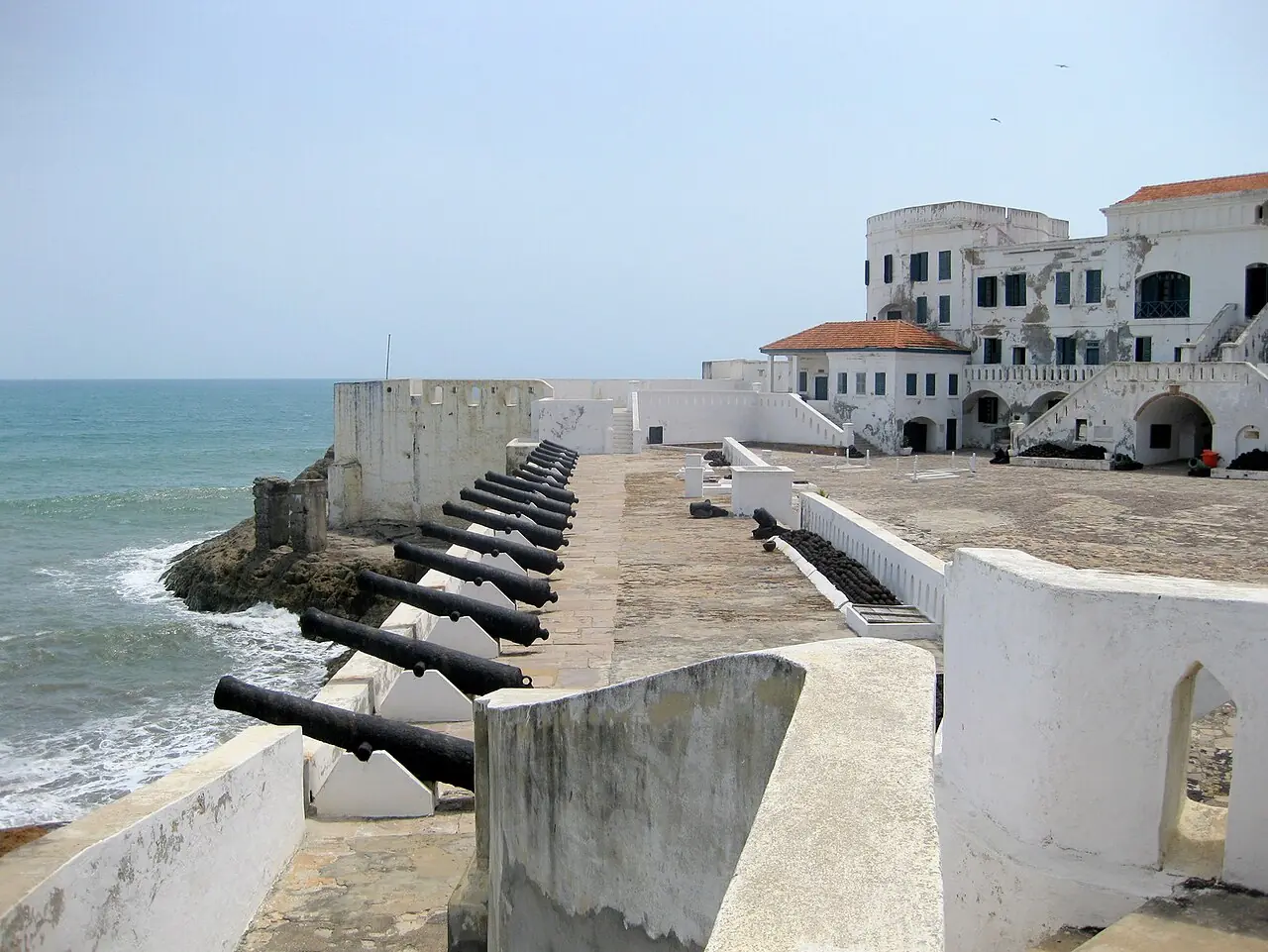
Cape Coast and Elmina Castles, GhanaPhoto: Rjruiziii · CC BY-SA 3.0

Compare / Ghana · Senegal

Ghanaor Senegal?

Ghana or Senegal? History, beaches, nature, culture, budget, season and access compared to help you choose your first West African destination.

Published by , founder of Afrique Unie · updated 28 November 2026 · our method and sources

Ghana and Senegal are two of the most welcoming and stable countries in West Africa, and two ideal gateways to the region. Both offer a rich history, a vibrant culture, beaches and a renowned music scene.

English-speaking Ghana appeals with its coastal forts, the Ashanti kingdom and the creative energy of Accra. French-speaking Senegal relies on its teranga, Dakar, Gorée and the gentle pace of the Saloum Delta. Here is what sets them apart to help you choose.

GhanaSenegal
CapitalAccraDakar
Best time to goNovember to MarchNovember to May
BudgetMid-rangeMid-range
CurrencyGhanaian cedi (GHS)West African CFA franc (XOF)
LanguagesEnglish, TwiFrench, Wolof
Dishes to tryJollof rice, banku, fufuThieboudienne, yassa, mafé

History and heritage

Ghana

Ghana offers a very rich historical circuit: the UNESCO-listed Cape Coast and Elmina Castles, moving reminders of the Atlantic slave trade, then Kumasi, heart of the Ashanti kingdom, with the Manhyia Palace. Senegal has Gorée Island and Saint-Louis, two major sites, but Ghana has more places of remembrance.

Beaches and nature

Senegal

Senegal offers great variety: the mangroves of the Saloum Delta by pirogue, Lake Retba (Pink Lake), thousands of birds in Djoudj National Park, and the beaches of the Petite Côte and Cap Skirring. Ghana has fine assets, such as the canopy walkway in Kakum National Park and the elephants of Mole National Park, which can be seen on foot, but its beaches are less easy to enjoy.

Culture and food

A draw

Two strong cultures. In Ghana, kente cloth, Ashanti festivals and Accra's creative scene; you will eat jollof rice, banku and fufu. In Senegal, mbalax music, wrestling and teranga; thieboudienne, yassa and mafé are on the menu. Both countries also claim to make the best jollof rice in the region.

Budget

A draw

Both countries are rated ‘mid-range’ on our site, around €60–120 per person per day, excluding flights. In Senegal, the CFA franc, pegged to the euro, makes budgeting easy for European travellers. In Ghana, the cedi can fluctuate, so prices vary from one trip to the next.

Best time to go

Senegal

Ghana is best visited from November to March; in December and January the harmattan can veil the sky with dust. In Senegal, the dry season runs from November to May, with pleasant temperatures on the coast. Senegal's window is therefore a little wider.

Getting there and getting around

A draw

Allow around five and a half hours on a direct flight from Paris to Dakar, and a little over six hours to Accra. Senegal is easier for French speakers, Ghana for English speakers. In both countries you travel by road, by car with a driver or by local transport.

Choose Ghana if…

  • the history of the Atlantic slave trade and African kingdoms fascinates you
  • you would rather travel in English
  • Ashanti culture and the markets of Kumasi appeal to you
  • you want to discover Accra's creative scene

Choose Senegal if…

  • you speak some French
  • pirogue trips and birdwatching appeal to you
  • you want to combine culture and beach
  • you are travelling in spring, up to May

Our verdict

Ghana is an excellent choice for a trip focused on history and culture, with a particularly rich coastal and Ashanti circuit. Senegal offers a more balanced mix of culture, nature and beach, and is the easiest gateway for French speakers. Two endearing destinations, which you can easily discover one after the other.

Compare point by point

Questions

Your questions

Which is safer?

Both are considered among the most stable countries in the region. Always check your government's foreign travel advice before you go.

How many days should I plan?

Around ten days lets you link Accra, Cape Coast and Kumasi in Ghana, or Dakar, Gorée, Saint-Louis and the Saloum Delta in Senegal.

Do you need French in Senegal?

It helps: French is the official language and Wolof is widely spoken. English is understood in tourist areas, but a few words of French make travel much easier.

What formalities and precautions?

They depend on your nationality and change over time. Check the official websites of both countries and see a doctor or travel clinic several weeks before departure.

Guides

To plan this trip

Senegal: budget and paperworkDaily budget, CFA francs, passport, visa, yellow fever and malaria: planning a trip to Senegal. Information checked in November 2026.Ghana: budget and paperworkDaily budget, the new e-visa, compulsory yellow fever vaccination, malaria, the cedi and mobile money in Ghana. Information checked in November 2026.First tripYour first trip to Africa: which country to choose, when to go, how to budget, how to prepare for health and entry rules, and the mistakes to avoid.Senegal in 10 daysSenegal in 10 days: Dakar, Gorée Island, the Pink Lake, Saint-Louis, the birds of Djoudj and the mangroves of the Saloum Delta, day by day.Ghana in 10 daysGhana in 10 days: Accra, the castles of Cape Coast and Elmina, the Kakum canopy, Kumasi and Ashanti country, then Lake Volta and its waterfalls.Senegal and The Gambia in 12 daysSenegal and The Gambia in 12 days: Dakar, Gorée, the Saloum Delta, the Karang border, Banjul, Kunta Kinteh Island, Janjanbureh and back via Farafenni.Ghana, Togo and Benin in 14 daysGhana, Togo and Benin in 14 days along the coast: Accra, Cape Coast, Lomé, Lake Togo, Ouidah, Abomey and Ganvie, with the two border crossings.Senegal or Cape Verde: which should you choose?Senegal or Cape Verde? Landscapes, beaches, culture, budget, season and transport compared to help you choose your West African winter sun destination.Côte d'Ivoire or Ghana: which should you choose?Côte d'Ivoire or Ghana? Heritage, beaches, food, budget, season and ease of travel compared to help you choose between two Gulf of Guinea neighbours.

Torn between two?

More comparisons