AfriqueUnie
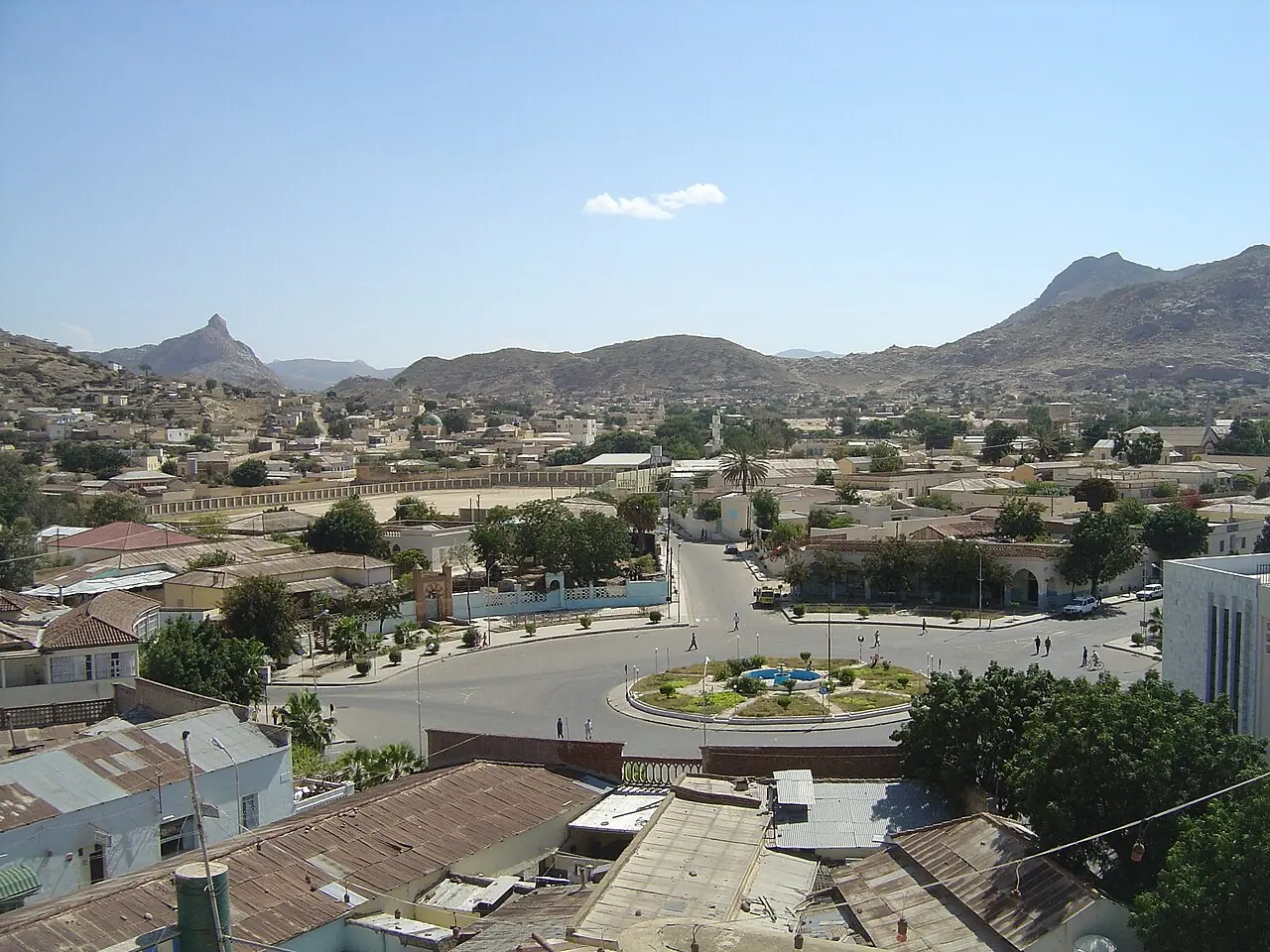 Photo: Voice of Clam · Public domain
Published by Adama Doumbia, founder of Afrique Unie · updated 28 November 2026 · our method and sources
Why visit Keren?
Around ninety kilometres north-west of Asmara, Keren spreads across a wide basin ringed by granite mountains, at almost 1,600 metres above sea level. Eritrea's second city and the capital of the Anseba region, it was long a stop on the caravan route between Massawa and Sudan, and it has kept that crossroads character: Bilen, Tigre and other communities live side by side here, Christians and Muslims sharing the same streets and the same market.
The town has changed hands several times, from the Egyptians who built a fort on the hill in the 19th century to the Italians who left administrative buildings and arcades, and it remains linked to the Battle of Keren in 1941, recalled by its war cemeteries. But Keren is above all about atmosphere: a warmer, slower town than Asmara, where you wander between gardens, silversmiths' workshops and cafés before heading to the big Monday livestock market.
Things to do in Keren: 5 ideas
- 01Monday marketCome early in the morning to the big livestock market, where camels, goats and cattle change hands amid lively haggling.
- 02Mariam DearitWalk out to this small Marian shrine set inside the trunk of an old baobab, a pilgrimage site on the edge of town.
- 03Tigu fortClimb the hill topped by the remains of the Egyptian fort for a view over the basin and the surrounding mountains.
- 04The 1941 cemeteriesPause at the Commonwealth and Italian war cemeteries, reminders of one of the decisive battles of the East African campaign.
- 05The silversmiths' soukStroll the lanes of the centre, between silver, fabric and spice shops, and watch the craftsmen at work.
Where to stay in Keren
Accommodation is limited and simple: a few hotels and guesthouses in the centre, around the main street and the market, handy for doing everything on foot. Comfort is modest and hot water is not always guaranteed. Many travellers stay just one night, or even visit on a day trip from Asmara, with transport arranged through a local agency.
 Eritrea