AfriqueUnie
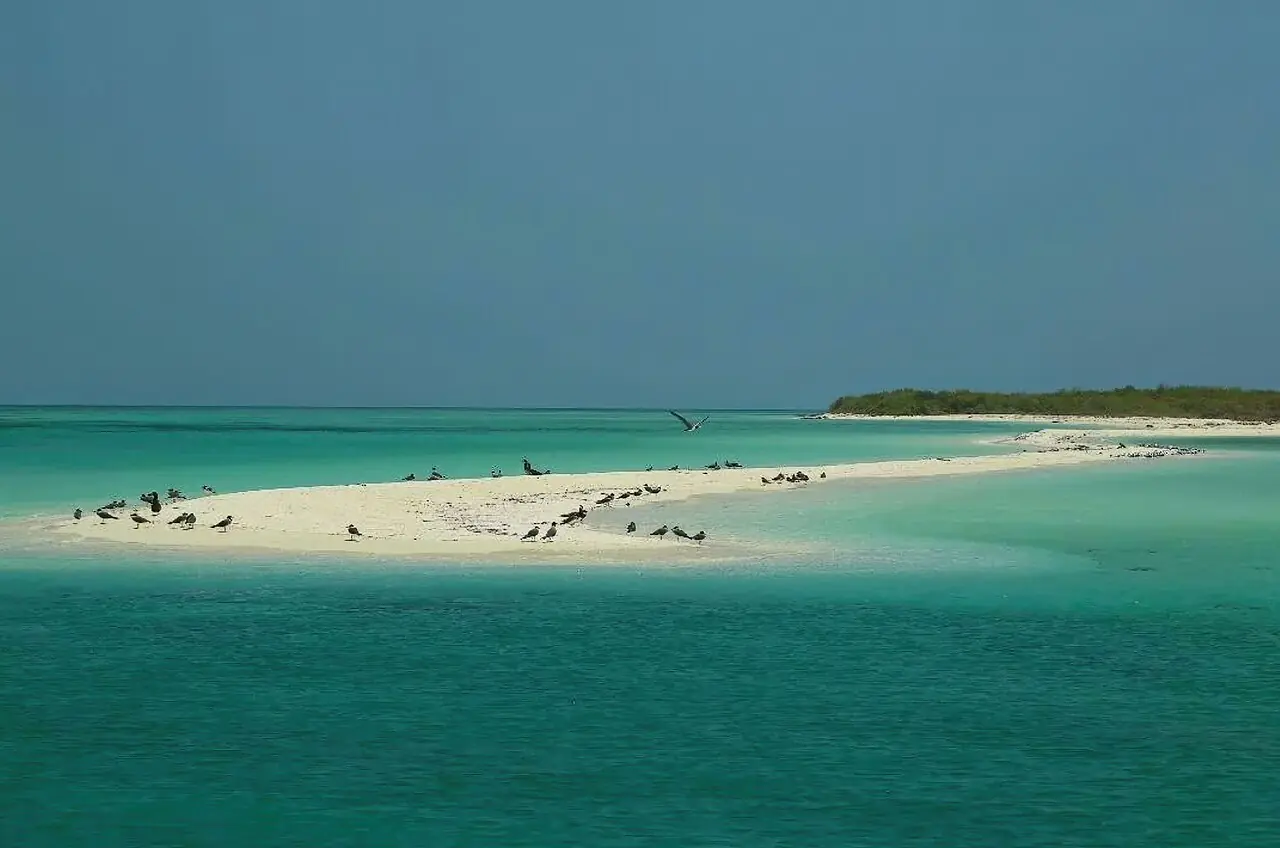 Photo: Solomon Debre · CC BY-SA 2.0
Published by Adama Doumbia, founder of Afrique Unie · updated 28 November 2026 · our method and sources
Daily budget
These are rough figures per person per day, excluding the international flight. They cover accommodation (two people sharing a room), meals, local transport and a few visits.
On a tight budget, allow roughly €40 to €70, in a simple hotel in Asmara, eating in neighbourhood cafés and restaurants. For a comfortable trip, allow about €100 to €180, in a good hotel, with a hire car and driver for trips outside the capital. At the top end, allow €200 or more, although the choice is limited.
Beyond 25 km from Asmara, tourists must travel in a hire vehicle with a driver, according to the French foreign ministry: this soon pushes the budget up once you leave the capital.
What is expensive and what costs next to nothing
- Flights: There are no direct flights to Ethiopia or Djibouti. Connections go through a few hubs in the Gulf, Turkey or Egypt, depending on airline schedules: check them before booking.
- Car with driver: Required to leave the Asmara area, for example to Massawa or archaeological sites. Book it together with your travel permit.
- Accommodation: Some Asmara hotels used by foreigners accept, or even require, payment in US dollars: ask for the rate and currency in advance.
- Cafés and meals: Macchiato, pastries and local dishes in Asmara's cafés cost little. Hotels are more expensive.
- Sightseeing: Walking around central Asmara, a World Heritage Site for its modernist architecture, costs nothing. A permit is needed to photograph some places, such as the tank graveyard.
Money: nakfa and cash only
The currency is the nakfa (ERN), which cannot be exchanged abroad. The French foreign ministry says there are no cash machines in the country and everything is paid in cash: card payment is not possible. Bring your entire budget in cash, in euros or dollars in good condition.
Money is changed at the official Himbol bureaux in central Asmara or at the airport. Shop purchases cannot be paid in foreign currency. The UK says that when you leave you must be able to show that any foreign currency you spent was exchanged at Himbol or spent at an official hotel: keep all your receipts.
On arrival, declare foreign cash of 10,000 dollars or more, as well as all electronic devices (laptop, phone, camera). You may not take more than 1,000 nakfa out of the country, about €70 according to the French foreign ministry.
Foreign SIM cards do not work and internet access is very limited: tell family and friends, and make your bookings before you leave.
Visa and passport
Information checked in November 2026. These rules can change: read the official sources again before you travel.
French and British nationals need a visa. The French foreign ministry says French citizens must apply to the Eritrean embassy in Paris, allowing about two to three weeks, and that, except with prior agreement from the authorities, no visa is issued at Asmara airport. British citizens apply to the Eritrean embassy in London. We could not confirm the fee from an official source: ask the embassy.
Choose the visa type carefully (tourist, business…): the travel-permit regime depends on it.
Travel permits: a Travel Permit is compulsory to go more than 25 km from the capital, including to Massawa. It is issued by the Ministry of Tourism in Asmara; the answer often comes within 24 hours, but some areas can be closed without notice.
Your passport must be valid for at least six months after arrival, with at least two consecutive blank pages. The land borders with Ethiopia, Djibouti and Sudan are closed. Dual nationals of Eritrean origin may be treated as Eritrean by the authorities: check before you travel.
Health and vaccinations
Yellow fever: a certificate is required of travellers aged nine months or over arriving from a risk country, including after a transit of more than twelve hours. The US CDC generally does not recommend the vaccine for the Anseba, Debub, Gash Barka, Ma'ekel and Northern Red Sea regions, and does not recommend it elsewhere. The French foreign ministry, however, describes it as strongly recommended: take advice from a travel clinic.
Malaria is present in areas below 2,200 metres; according to the CDC there is no transmission in Asmara. The Red Sea coast and islands, including Massawa, are risk areas: agree on prevention with a doctor if you go there.
Asmara lies at about 2,300 metres. Outside the capital there is no rapid emergency help. Insurance covering treatment and medical evacuation is essential, along with the means to pay costs upfront.
Before you go: the checklist
- Visa: Apply to the Eritrean embassy at least a month before you leave, stating the purpose of your trip clearly.
- Passport: Six months' validity and two consecutive blank pages.
- Travel permit: Apply to the Ministry of Tourism on arrival for any trip more than 25 km from Asmara.
- Cash: Your whole budget in euros or dollars, as there are no cash machines; keep your Himbol receipts.
- Official sources: Read the Eritrea page on gov.uk/foreign-travel-advice and the Érythrée page of « Conseils aux voyageurs » on diplomatie.gouv.fr. The UK advises against all travel within 25 km of the land borders and all but essential travel to the rest of the country; France advises against travel outside Asmara and Massawa except for essential reasons. Consular help is very limited.
- Insurance: Treatment and medical evacuation, with emergency numbers noted separately.