 AfriqueUnie
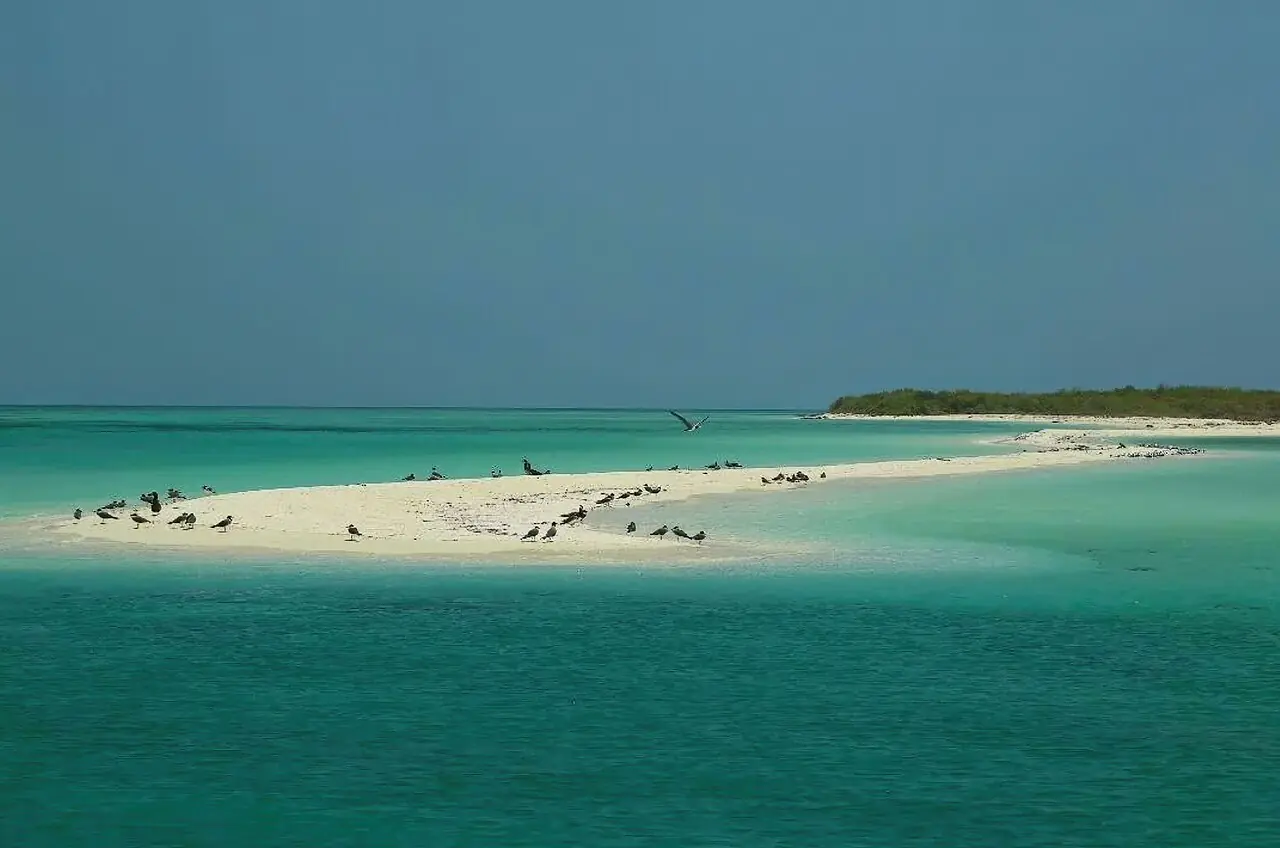 Photo: Solomon Debre · CC BY-SA 2.0
 Eritrea
Published by Adama Doumbia, founder of Afrique Unie · updated 28 November 2026 · our method and sources
Why go to Eritrea
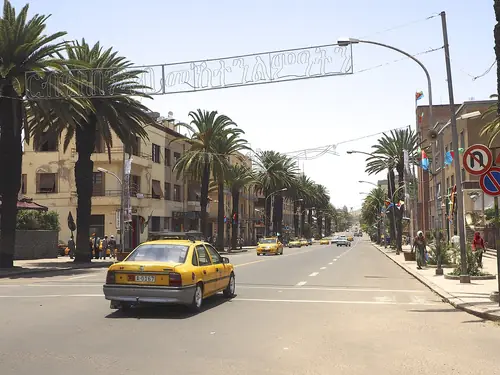
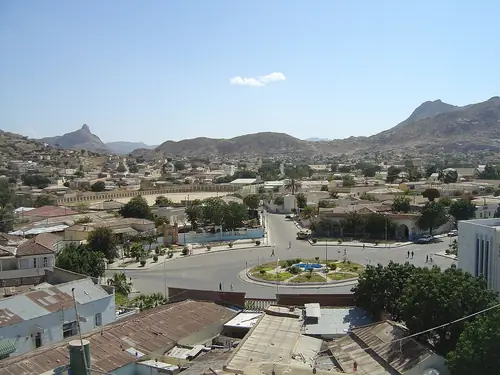
Eritrea is one of the least visited countries in Africa, and that is precisely what makes it so intriguing. You need a visa obtained in advance, permits to travel outside the capital and a good dose of administrative patience. But those who clear these hurdles discover a country of astonishing serenity, where time seems to have stopped somewhere in the middle of the 20th century. Asmara, perched more than 2,300 metres above sea level, preserves almost intact an exceptional ensemble of modernist and Art Deco architecture built by the Italians in the 1930s, now a UNESCO World Heritage Site. Cinemas, petrol stations, villas and espresso bars make up a period-film set in which everyday life quietly carries on.
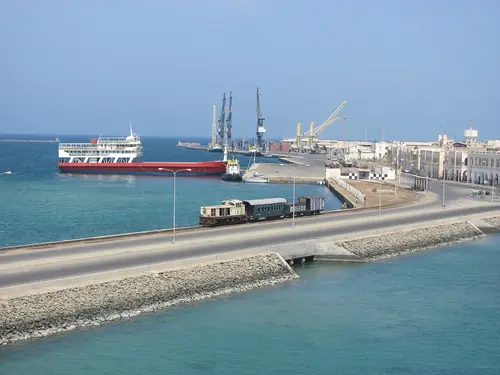
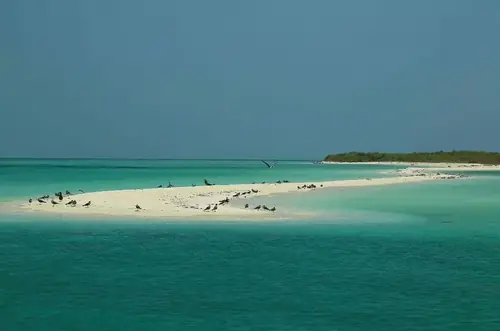
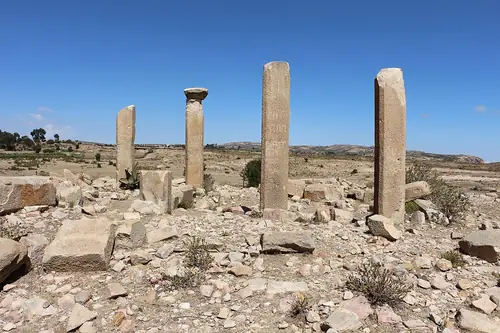
The country also offers striking geographical contrasts. From the high plateau, cool and green in the rainy season, a dizzying road plunges in just a few hours to the sweltering coastal plain and the old port of Massawa, with its coral-stone houses and Ottoman influences. Offshore, the Dahlak Archipelago strings out low, deserted islands ringed by little-explored reefs. In the south, the ruins of Qohaito and other sites bear witness to the ancient Aksumite civilisation, while Orthodox monasteries clinging to cliffs recall the depth of Christianity in the region.
Finally, you come to Eritrea for its people and its rituals: the evening passeggiata along Harnet Avenue, the coffee ceremony that lasts a good hour, the markets where Tigrinya, Tigre, Afar and Bilen rub shoulders. It is a journey that demands organisation and a willingness to accept constraints, notably administrative surveillance and limited internet access, but it rewards you with a rare experience, far from any crowds. Check your government's official travel advice before you go: certain border areas should be avoided.
History and culture
From antiquity, Eritrean territory lay within the sphere of the Kingdom of Aksum, whose port of Adulis, near present-day Massawa, traded with Egypt, Arabia and India. Over the centuries the Christian highlands and the Muslim coast developed under diverse influences, and Massawa came under Ottoman, then Egyptian, control.
Italy made Eritrea its colony at the end of the 19th century and invested heavily there in the 1930s, hence Asmara's modernist face. After a period of British administration, the country was federated with Ethiopia in 1952, then annexed ten years later. So began a thirty-year war of liberation, which culminated in independence, proclaimed in 1993 after a referendum. A deadly border war with Ethiopia followed between 1998 and 2000; peace was signed only in 2018. Since independence the country has been governed in a highly centralised way, without national elections, and compulsory national service, often extended indefinitely, drives many young people into exile. This history explains Eritreans' fierce national pride, but also their caution towards visitors.
8 experiences not to miss in Eritrea
- 01Passeggiata on Harnet AvenueIn the late afternoon, stroll with the people of Asmara along the main boulevard, lined with palm trees, cafés and 1930s façades.
- 02A macchiato in a historic barOrder a short, strong coffee at the counter of a period bar, complete with its original Italian furniture and machines.
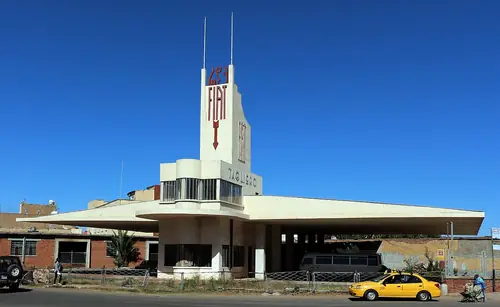
- 03Admire the Fiat TaglieroWalk around this petrol station with its cantilevered concrete wings, an emblem of Italian Futurism.
- 04Descend to the Red SeaTake the switchback road linking Asmara with Massawa, which in a few hours drops from the cool of the heights to tropical heat.
- 05Wander old MassawaRoam the lanes of Massawa Island, between coral-stone houses, arcades and buildings scarred by history.
- 06Snorkelling in the DahlakPermit in hand, head out by boat to deserted islands with near-pristine reefs.
- 07Medeber marketVisit this artisans' market in Asmara, where tyres, jerrycans and scrap metal are recycled into everyday objects.
- 08Ruins of QohaitoWalk across a high plateau scattered with Aksumite columns, ancient cisterns and rock shelters decorated with rock art.
When to go to Eritrea
The climate depends more on altitude than on the calendar. On the high plateau, Asmara enjoys eternal spring, with mild days and cool nights, even cold ones in December and January. The main rains fall there from June to September. The Red Sea coast, on the other hand, is scorching from May to September, but very pleasant from October to March, the best time for Massawa and the Dahlak. The October to March window therefore lets you combine highlands and coast in good conditions. Bear in mind the Orthodox religious festivals, such as Meskel at the end of September or Orthodox Christmas in early January, which bring the towns to life but can also disrupt administrative procedures.
Getting around
Outside Asmara, any travel requires a travel permit issued by the Ministry of Tourism in the capital, which specifies your itinerary; allow at least one working day to obtain it and carry several photocopies of your passport. Public buses link the main towns cheaply but are slow and often packed. Most travellers hire a car with a driver through a local agency. Fuel can be in short supply. The famous steam train between Asmara and Massawa does not run a regular service, only for groups by reservation. In Asmara the centre is very easy to explore on foot, and shared taxis follow fixed routes.
Etiquette and customs
Eritreans stand out for their courtesy and reserve. Greetings are long and warm, often accompanied by a handshake and, between people who know each other well, a light touch of the shoulders. If you are invited to a coffee ceremony, accept and stay for the traditional three cups: leaving after the first is considered rude. Dress modestly, especially in churches and mosques, where you take off your shoes. Photographing official buildings, soldiers, bridges or infrastructure is strictly forbidden and can land you in serious trouble. Also avoid political discussions in public, and never put the people you are talking to in an awkward position.
Food and drink in Eritrea
Eritrean cuisine shares a great deal with that of neighbouring Ethiopia, while bearing an Italian stamp. Meals are shared on a large injera, a spongy fermented pancake made from teff, which you tear with your right hand to scoop up the stews. Zigni, a beef or lamb stew spiced with berbere, the fiery red spice blend, is the star, alongside shiro, a thick chickpea purée, and ful in the morning. On Orthodox fasting days, dishes turn vegan. The Italians left behind pasta, served everywhere, and an outstanding coffee culture: Asmara's cappuccino and macchiato have nothing to envy those of Rome.
 Burundi
 Djibouti
 Ethiopia
 Kenya
 Rwanda
 Somalia
 South Sudan
 Tanzania
 Uganda