 AfriqueUnie
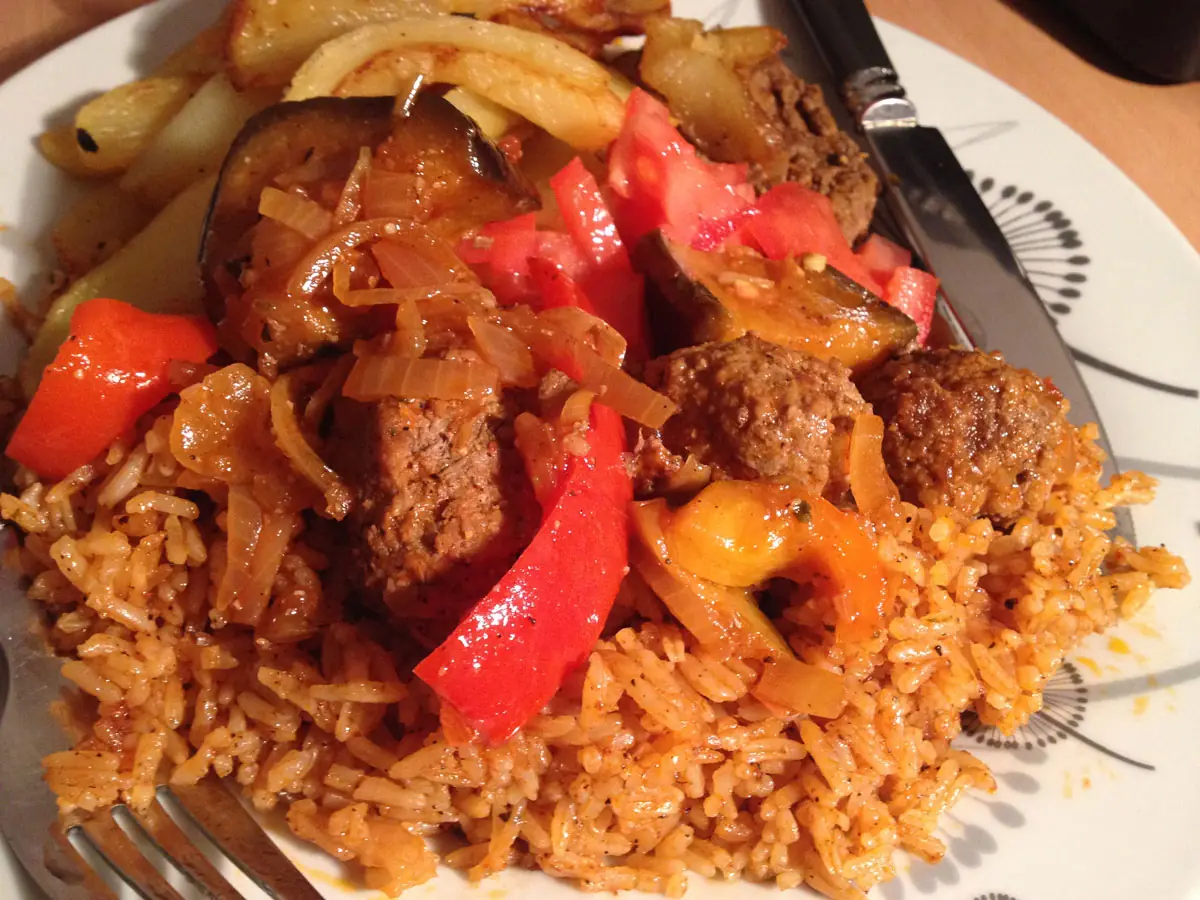 Photo: Misosi · CC BY-SA 4.0
Published by Adama Doumbia, founder of Afrique Unie · updated 28 November 2026 · our method and sources
On the Swahili coast and in the Zanzibar archipelago, no wedding, no Eid feast and no big family meal is complete without pilau. This rice cooked in meat stock, with deeply browned onions and a blend of warm spices, has become one of the best-loved dishes in the whole of Tanzania.
Its story is the story of the Indian Ocean. Pilaf is thought to come from Persia and Central Asia; it probably reached the East African coast with the Arab, Persian and Indian merchants who traded with the Swahili ports for centuries. On Zanzibar, the Spice Island famous for its cloves, it took on a fragrance all of its own.
Swahili pilau is recognisable by its brown colour, which comes from the well-browned onions and spices, and by its separate, fluffy grains. It is served on a large shared platter with kachumbari, a fresh tomato and onion salad that adds crunch and sharpness.
Ingredients
For the meat and stock
- 800 g (1 lb 12 oz) stewing beef (chuck), in 3 cm (1 1/4 in) cubes
- 1.2 litres (2 pints) water
- 4 garlic cloves, crushed
- 3 cm (1 1/4 in) piece of fresh ginger, grated
- 1 teaspoon salt
For the spice mix (pilau masala)
- 2 teaspoons cumin seeds
- 1 teaspoon black peppercorns
- 8 green cardamom pods
- 8 cloves
- 1 cinnamon stick, 5 cm (2 in) long
For the rice
- 500 g (1 lb 2 oz) basmati rice
- 4 tablespoons vegetable oil
- 3 large onions, thinly sliced
- 2 medium potatoes, cut into large chunks
- Salt
For the kachumbari
- 3 tomatoes, diced
- 1 red onion, very thinly sliced
- 1 small chilli, chopped (optional)
- 1 small handful of fresh coriander
- Juice of 1 lime and 1 pinch of salt
Method
- Put the beef in a casserole with the water, half the garlic, half the ginger and the salt. Bring to the boil, skim, then cover and simmer for 1 hour to 1 hour 15 minutes until the meat is tender. Drain the meat and keep the stock.
- Meanwhile, rinse the rice in cold water until the water runs clear, then leave it to soak for 20 minutes. Drain well.
- Make the pilau masala: dry-toast all the spices in a frying pan for 1 to 2 minutes until fragrant. Keep half of them whole and grind the other half to a powder.
- In a large casserole, heat the oil and add the onions. Brown them over a medium heat for 15 to 20 minutes, stirring regularly: they should turn dark brown without burning. This is what gives pilau its colour.
- Add the whole spices and the rest of the garlic and ginger, and fry for 1 minute. Add the drained meat and the potatoes, then half the ground spices. Stir for 3 minutes to coat everything well.
- Measure out 850 ml (1 1/2 pints) of stock (top up with hot water if needed) and pour it into the pan. Taste: it should be well seasoned. Bring to the boil.
- Add the drained rice, stir gently just once and cook uncovered over a medium heat for 6 to 8 minutes, until the liquid has dropped to the level of the rice and small holes appear on the surface.
- Sprinkle over the remaining ground spices, cover tightly (put a tea towel under the lid if needed) and cook for 15 minutes over a very low heat. Turn off the heat and leave to rest for 10 minutes without lifting the lid.
- Meanwhile, mix all the kachumbari ingredients and leave in the fridge.
- Fluff up the pilau with a fork, bringing the meat and potatoes to the top. Serve on a large platter with the kachumbari on the side.
Tips and variations
- Pilau can also be made with chicken (about 40 minutes to make the stock, until the meat comes away from the bone) or with fish and prawns, much loved on the coast and on Zanzibar.
- Ready-made pilau masala is sold in Indian and East African shops, but a home-toasted blend is far more fragrant.
- If the rice is still firm after resting, add 3 tablespoons of hot stock, cover and leave for another 5 minutes over a very low heat.
- Pilau keeps for 2 days in the fridge. Reheat it, covered, with a splash of water until piping hot all the way through.
- The whole spices are not meant to be eaten: warn your guests, or pick out the cinnamon stick and cloves before serving.
To serve with it: Serve with kachumbari, a ripe banana or fresh fruit juice, and sometimes a chilli sauce on the side.
Have you tried this recipe?
Be the first to rate it.
Thank you for your rating!
Frequently asked questions
What is the difference between pilau and biryani?
In pilau, the rice cooks directly in the stock with the meat and spices. In biryani, also very popular on the Swahili coast, the rice and the sauce are cooked separately and then layered together.
Why is my pilau pale?
The onions were probably not browned enough. Take your time to brown them deeply: together with the toasted spices, they give pilau its caramel colour.
Can I use rice other than basmati?
Yes, ordinary long-grain rice works. Shorten the soaking time a little and adjust the amount of stock according to the packet instructions.
Is Zanzibar pilau spicy?
No, it is fragrant but not hot. Any heat comes from the kachumbari or a chilli sauce served on the side.
Another recipe from Tanzania: Chipsi mayai