The endless plains of the Serengeti, the Ngorongoro Crater, the roof of Africa and the spice-scented beaches of Zanzibar: Tanzania is a land of superlatives.
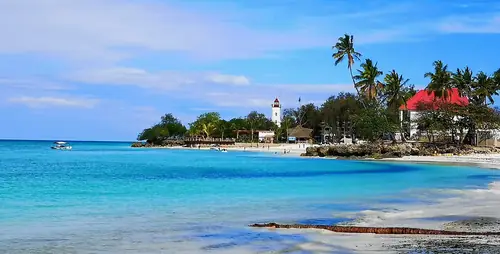
Tanzania boasts a concentration of legendary sites that leaves you lost for words: the Serengeti, whose Maasai name conjures up endless plains; the Ngorongoro Crater, a vast amphitheatre teeming with animals; Kilimanjaro, the continent's highest peak, which you can climb on foot without any mountaineering skills; and Zanzibar, the spice island, with its old stone town and its lagoons. Any one of these names would justify the trip on its own, and they all fit into a single two-week itinerary.
What strikes you on the ground is the scale. The north of the country, around Arusha, is the best-known area, but nearly a third of the territory is protected in one form or another. In the south and west, far less visited parks such as Ruaha, Nyerere and Katavi, and the Mahale Mountains with their chimpanzees on the shores of Lake Tanganyika, offer a wild Africa where you can drive for a whole morning without passing another vehicle. Lakes, highlands, the forests of the Usambara Mountains and the villages of the coast complete a country of great diversity.
Tanzania is also a country of great serenity. Its first president, Julius Nyerere, made Swahili the common language of more than a hundred and twenty ethnic groups, and that choice forged a strong national identity and a remarkably peaceful coexistence. You will be struck by the courtesy of the greetings, the patience of every exchange, the rhythm of “pole pole”. And on the coast, Swahili culture, Muslim, maritime and poetic, brings an entirely different colour to the journey.
History and culture
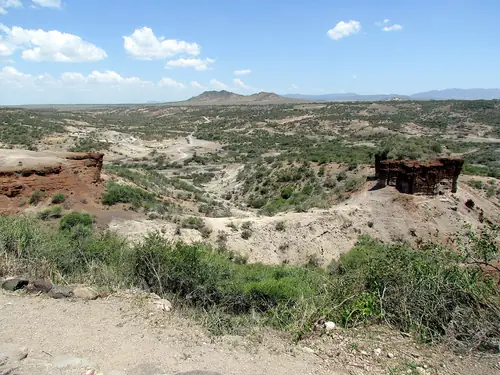
Olduvai Gorge, near Ngorongoro, and the site of Laetoli, where hominid footprints some 3.6 million years old were found, make Tanzania one of the cradles of human history. On the coast, Swahili city-states such as Kilwa Kisiwani, whose ruins are listed by UNESCO, prospered on Indian Ocean trade. In the 19th century the Sultan of Oman moved his capital to Zanzibar, which became the centre of the clove trade, but also of the slave trade to Arabia and across the Indian Ocean.
Colonised by Germany at the end of the 19th century, the mainland later became Tanganyika under British administration. It gained independence in 1961 under the leadership of Julius Nyerere, nicknamed “Mwalimu”, the teacher. After the Zanzibar Revolution in 1964, Tanganyika and Zanzibar united to form the United Republic of Tanzania. Nyerere pursued a socialist policy known as “ujamaa”, whose economic results are disputed but which forged a lasting national unity. The official capital has been moved to Dodoma, although Dar es Salaam remains the economic powerhouse.
8 experiences not to miss in Tanzania
Photo : ArunprakashN92 · CC BY-SA 4.001Descending into the craterPlunge into the Ngorongoro caldera at dawn to look for lions, black rhinos and flamingos all in a single day.
Photo : Sergey Pesterev · CC BY-SA 4.003Climbing KilimanjaroWalk for six to eight days through five zones of vegetation to reach Uhuru Peak at daybreak.
Photo : Irene · CC BY 2.004The spices of ZanzibarVisit a plantation to taste cloves, cinnamon, nutmeg, vanilla and lemongrass straight from the plant.
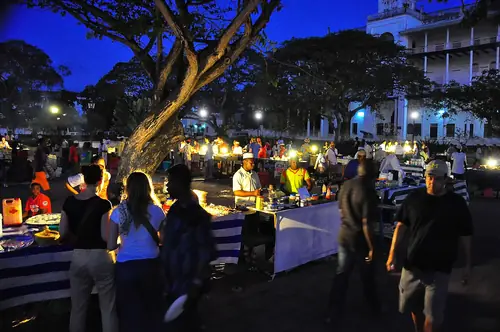
Photo : Rod Waddington · CC BY-SA 2.005Forodhani GardensDine at the night market on Stone Town's seafront, among octopus skewers and “Zanzibar pizza”.
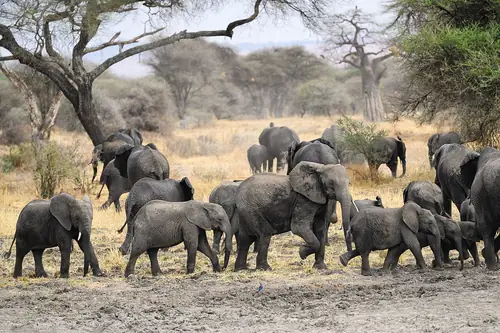
Photo : Eric Kilby · CC BY-SA 2.006The elephants of TarangireWatch herds of elephants beneath the giant baobabs of this park near Arusha, especially in the dry season.
Photo : Richard Mortel · CC BY 2.007A walking safariWalk with an armed ranger in a southern park such as Ruaha or Nyerere, learning to read tracks and scents.
The long dry season, from late June to October, is ideal for safaris: short grass, animals gathered around water, easy tracks, and the migration in the northern Serengeti. January and February, the calving season in the southern Serengeti, are also superb, with hot weather and passing showers. The long rains from March to May make some tracks difficult and close camps, especially in the south, but bring green landscapes and lower prices. The short rains of November and December are generally brief. For Kilimanjaro, go for January to February or June to October. In Zanzibar, it is best to avoid April and May, the wettest months.
Getting around
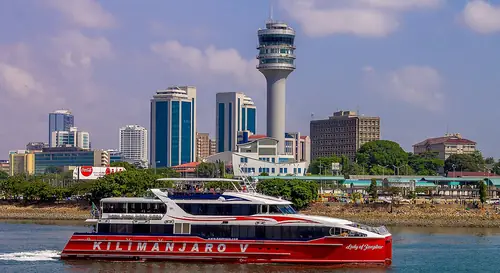
For a safari in the north, the rule is a 4x4 with a driver-guide, booked through an Arusha-based operator; driving yourself is possible but not recommended on a first trip. Domestic flights in small planes link Arusha, the Serengeti, Zanzibar, Dar es Salaam and the southern parks, with a reduced baggage allowance in soft bags. Fast ferries connect Dar es Salaam and Zanzibar in about two hours. Long-distance buses are plentiful and cheap, but the driving can be dangerous. In town, bajajs, three-wheeled tuk-tuks, and dala-dalas, shared minibuses, are everywhere. Traffic drives on the left.
Etiquette and customs
Greeting is an art in Tanzania. To an elderly person you say “Shikamoo”, a respectful formula to which they reply “Marahaba”. Between equals, “Mambo?” calls for “Poa!”, and “Habari?” for “Nzuri”. You give and receive with your right hand, sometimes touching your forearm with your left. In Zanzibar, which is predominantly Muslim, cover your shoulders and knees away from the beaches, and be especially discreet during Ramadan, avoiding eating or drinking in public during the day. Plastic bags have been banned since 2019. Ask before taking photographs and don't give in to impatience: everything takes a little longer.
Food and drink in Tanzania
Ugali, a firm maize porridge, is the mainstay of mainland cooking, served with beans, greens, lake fish or meat in sauce. Pilau, rice fragrant with cumin, cardamom, cinnamon and cloves, is the dish for celebrations and weddings, a legacy of trade with India and Arabia. Tanzanians' favourite street food, chipsi mayai, is an omelette filled with chips, served with ketchup and chilli. Mishkaki, marinated beef skewers, are grilled on street corners in the evening. In Zanzibar the cooking turns spicier and more coconut-rich: octopus curry, fish in coconut milk, and urojo, a tangy, spicy soup topped with fritters. Chai and freshly pressed sugar-cane juice go with it all.
The best time to visit Tanzania: June to October, January to February.
What should I see first in Tanzania?
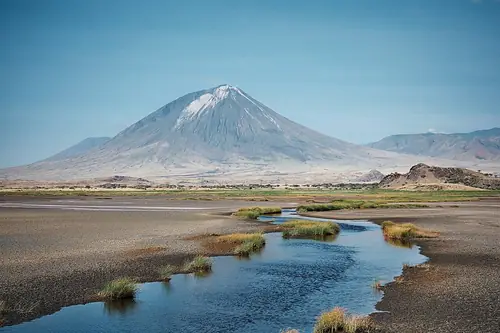
The must-sees: Serengeti National Park, Ngorongoro Crater, Mount Kilimanjaro, Nungwi and Kendwa beaches, Tarangire National Park, Nyerere National Park (Selous), Lake Natron, Olduvai Gorge.
Which cities should I visit in Tanzania?
Arusha, Zanzibar (Stone Town), Dar es Salaam. Capital: Dodoma (official) · Dar es Salaam (economic).
How much should I budget for a trip to Tanzania?
High-end: often more than €120 per person per day, excluding flights. This is only a guide and depends above all on the accommodation and activities you choose.
The main international airport has the code JRO. Compare flights with the ‘Flights’ button on this page.
Do I need a visa to visit Tanzania?
Entry requirements depend on your nationality and change regularly. Check them on the country's official website or with your foreign ministry before booking, and make sure your passport is valid.
What should I eat in Tanzania?
Dishes to try while you're there: Ugali, pilau, chipsi mayai.
Air Tanzania, Precision Air and several bush airlines link Dar es Salaam, Arusha/Kilimanjaro, Zanzibar and parks such as the Serengeti. The SGR electric train runs between Dar es Salaam, Morogoro and Dodoma, and TAZARA links Dar es Salaam with Zambia with one departure a week. Fast ferries (notably Azam Marine) cross between Dar es Salaam and Zanzibar in about two hours. In town, people get around by dala-dala (minibus), bajaji (tuk-tuk) or boda-boda, and Bolt operates in Dar es Salaam; for safaris, a 4x4 with driver-guide is the norm. Traffic drives on the left.
Health and safety
Yellow fever
Certificate required only if you arrive from, or transited through, a country with a risk of yellow fever (from 1 year, incl. airport transits over 12 h); vaccine generally not recommended.
Malaria
Present in some areas (areas below 1,800 m): ask a doctor depending on your itinerary.
Water and food
Unless your accommodation says otherwise, drink sealed bottled or filtered water, and wash your hands often.
Sources: France Diplomatie, Viaggiare Sicuri, Belgian Foreign Affairs, GOV.UK, checked in November 2026. All 54 countries
Entry requirements (visas, vaccinations) and security conditions change regularly: check them with the official authorities before booking. Official tourism website: Tanzania Tourist Board.
Affiliate cookiesWe would like to load a script from our partner Travelpayouts. It may set cookies so that we receive a commission when you book through our links, at no extra cost to you. If you decline, the site works in exactly the same way. Find out more
 AfriqueUnie
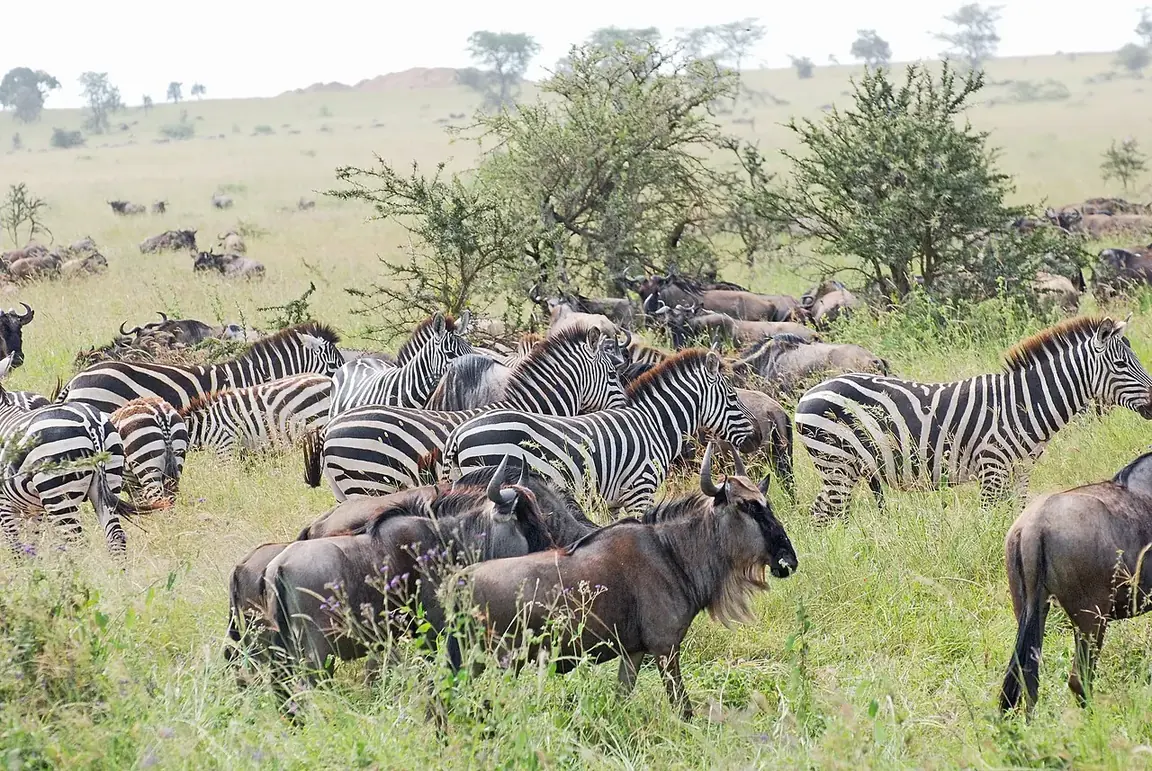 Photo: Harvey Barrison from Massapequa, NY, USA · CC BY-SA 2.0
 Tanzania

 Tanzania (Zanzibar) or Seychelles
 Tanzania or South Africa

 Zanzibar or Cape Verde
 Burundi
 Djibouti
 Eritrea
 Ethiopia
 Rwanda
 Somalia
 South Sudan