 AfriqueUnie
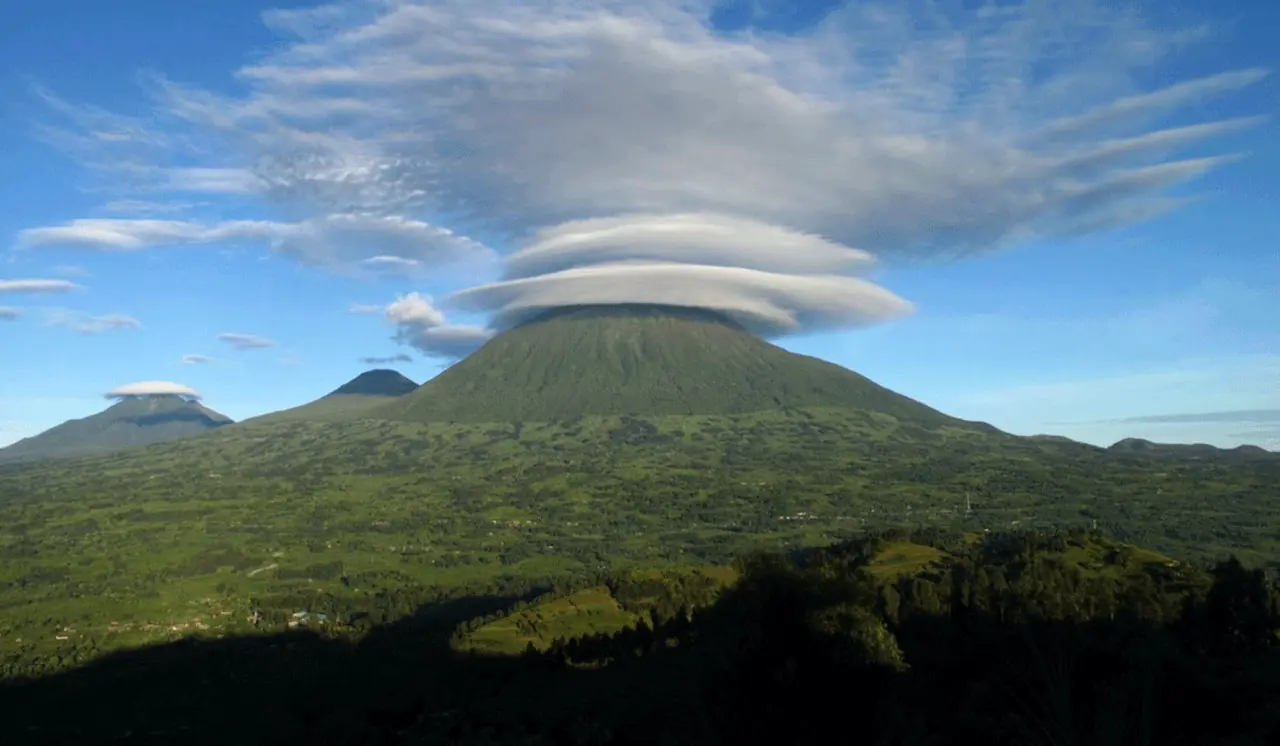 Photo: Volcanoes National Park · CC BY-SA 4.0
Sitting with a gorilla family in the forest is one of the most powerful experiences a trip to Africa can offer. Mountain gorillas live in just two areas: the Virunga volcanoes, shared by Rwanda, Uganda and DR Congo, and Bwindi forest in Uganda. You reach them on foot, with a permit and trackers, visiting groups that are habituated to people.
Western lowland gorillas are far more numerous but harder to see, living in the forests of the Congo Basin. Gabon (Loango) and the Republic of the Congo (Odzala-Kokoua) offer tracking of small habituated groups in very wild surroundings. Eastern DR Congo, however, is advised against by official travel advice, so Virunga National Park is not recommended here.
Where to see them
- 1
Volcanoes National Park ·
 Rwanda
The bamboo and forest slopes of the Virunga volcanoes are home to around ten habituated mountain gorilla families; this is also where Dian Fossey carried out her research.
- 2
Bwindi Impenetrable Forest ·
 Uganda
Almost half of the world's mountain gorillas live in this dense forest, split into four trekking sectors; a longer habituation experience is also offered here.
- 3
Loango National Park ·
 Gabon
You track a habituated group of western lowland gorillas on foot, in a park where the forest meets lagoons and the ocean.
- 4
Odzala-Kokoua National Park ·
 Republic of the Congo
Deep in the Congo Basin, habituated groups of western lowland gorillas are tracked through the forest; marshy clearings (bais) also attract forest elephants and buffalo.
When to go
Trekking runs all year, but the dry seasons, June to September and December to February, are the most comfortable: trails are less muddy, rain is rarer and photography is easier. In the rainy months (March to May, October–November) permits can be easier to get and the forest is lush, but the hikes are slippery. In Gabon and Congo, the long dry season (June to September) is also the best time.
Our tips
- Book your permit well ahead with the park authority (Rwanda Development Board, Uganda Wildlife Authority): places per gorilla group are limited each day, and the minimum age is 15.
- You spend one hour with the gorillas, keeping about 7 metres away; stay together, speak quietly and let the trackers guide your movements.
- Do not trek if you are ill, even mildly: gorillas catch human respiratory infections. Wear a mask if asked and never eat near them.
- Bring sturdy boots, gardening gloves for the nettles and a reasonable level of fitness: the walk can take from one to several hours on steep ground.
- No flash, no drones and no food left in the forest: these rules protect the gorillas, and permits fund their protection and the economy of nearby villages.
Frequently asked questions
Where can you see mountain gorillas in Africa?
In Volcanoes National Park (Rwanda) and Bwindi Impenetrable Forest (Uganda), as well as Mgahinga National Park in Uganda. These are the only safe, accessible places for guided gorilla trekking.
How many mountain gorillas are left?
The latest published censuses give a world total of 1,063 mountain gorillas (604 in the Virunga Massif in 2015–2016 and 459 in the Bwindi-Sarambwe ecosystem in 2018). The IUCN moved them from Critically Endangered to Endangered in 2018. A new Bwindi census was carried out in 2025.
Where can you see lowland gorillas?
In Loango National Park (Gabon) and Odzala-Kokoua National Park (Republic of the Congo), where small groups have been habituated to people for guided tracking.
When is the best time to see gorillas?
The dry seasons, June to September and December to February, make the trails easier, but gorillas can be seen all year round.