AfriqueUnie
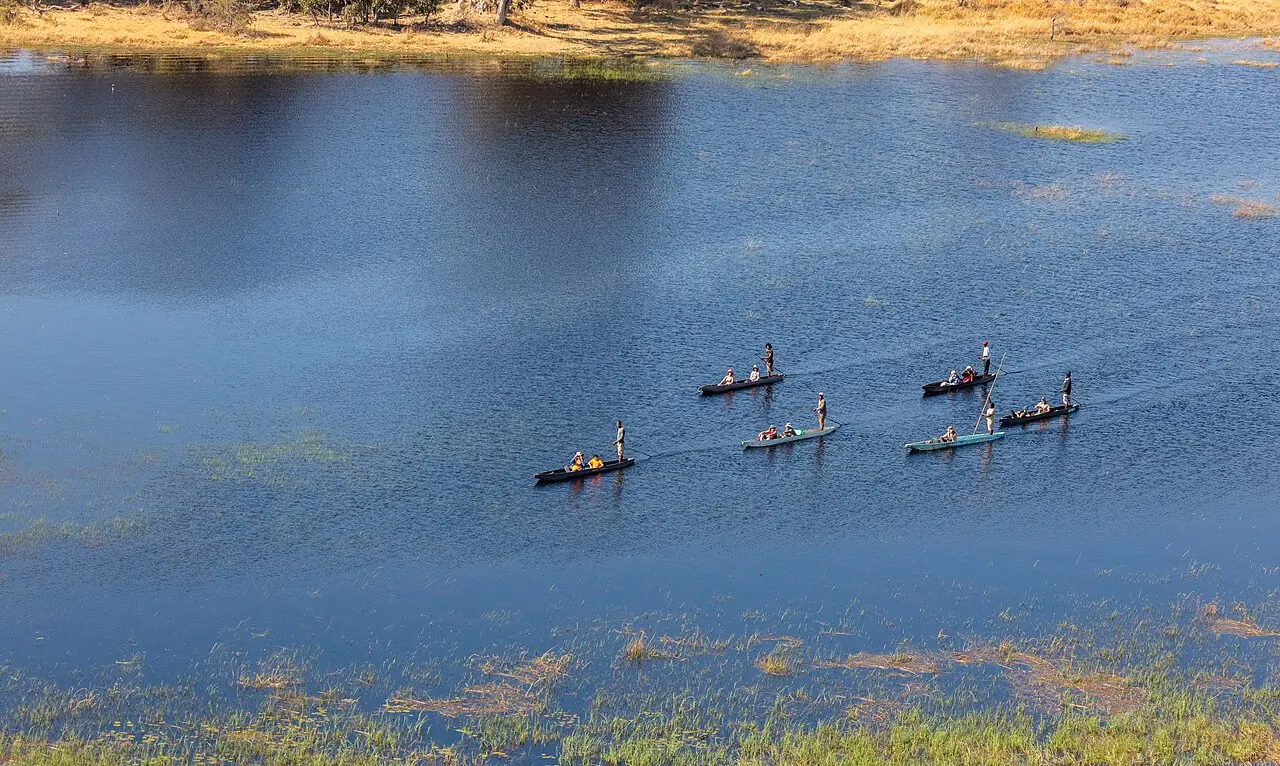 Photo: Diego Delso · CC BY-SA 4.0
Published by Adama Doumbia, founder of Afrique Unie · updated 28 November 2026 · our method and sources
Choosing your safari country
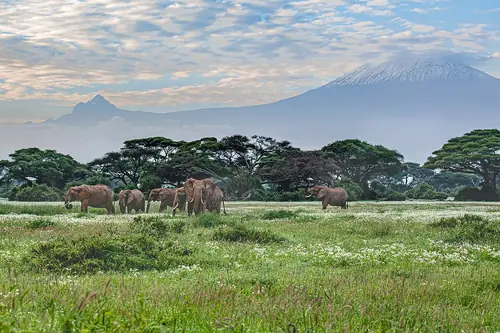
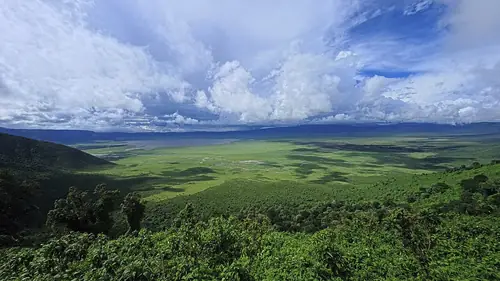
East Africa is the classic destination: the great plains of Kenya and Tanzania, with the Maasai Mara, Amboseli National Park, Serengeti National Park and Ngorongoro Crater, offer open landscapes where wildlife can be seen from afar. It is also the stage for the Great Migration of the wildebeest.
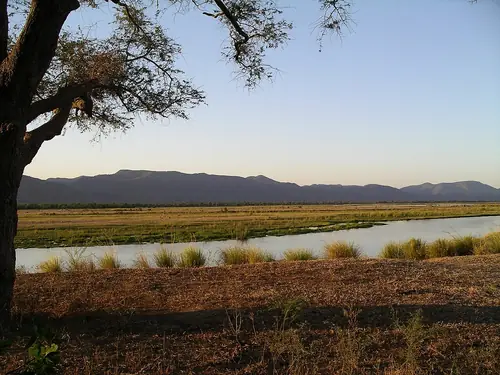
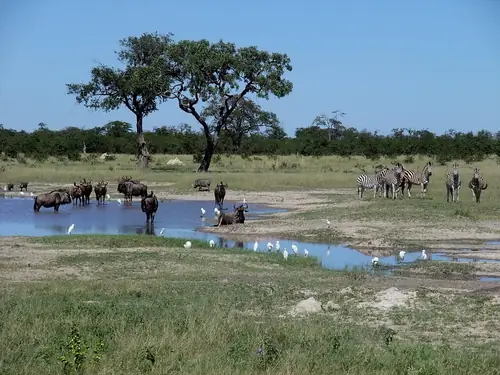
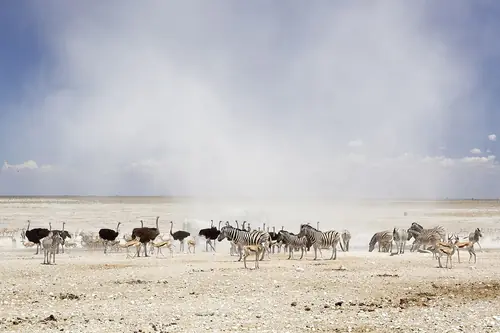
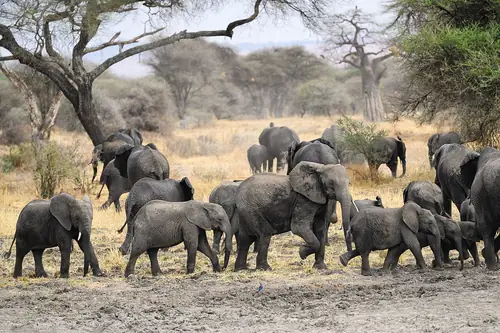
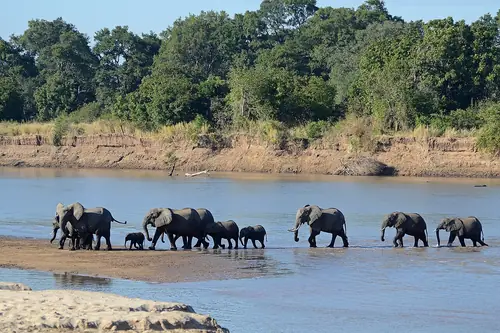
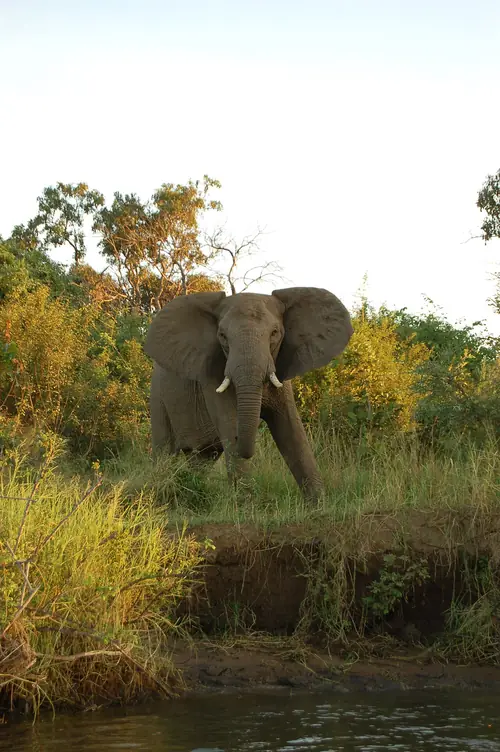
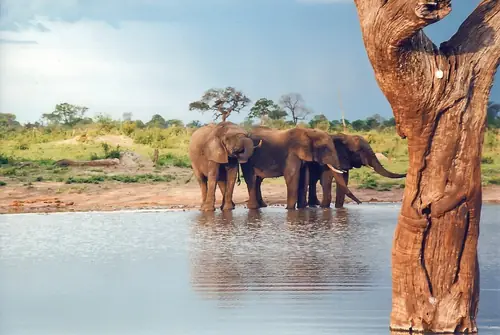
Southern Africa has a different feel. Botswana focuses on quiet wilderness areas such as the Okavango Delta and Chobe National Park. South Africa and Namibia lend themselves to self-drive safaris in a hire car, in Kruger National Park or Etosha National Park. Zambia and Zimbabwe are known for walking safaris, in South Luangwa National Park or Mana Pools National Park, and for Hwange National Park and its elephants.
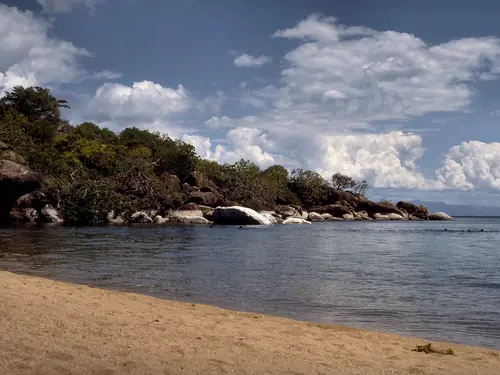
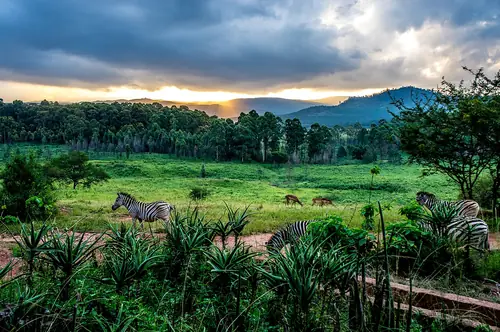
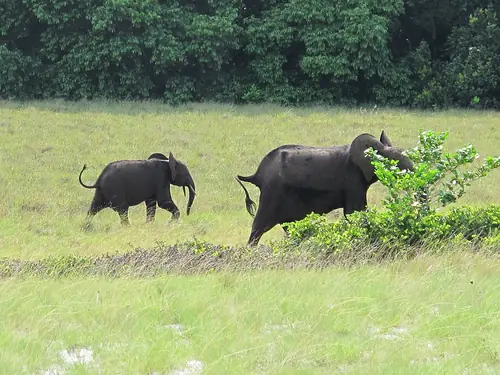
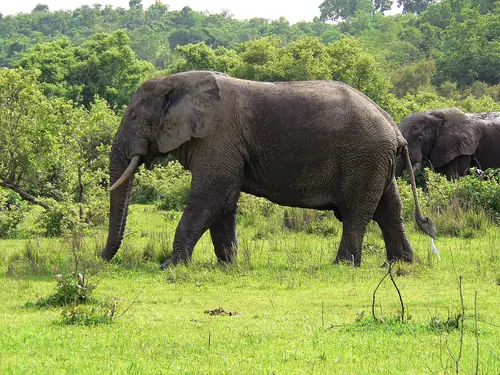
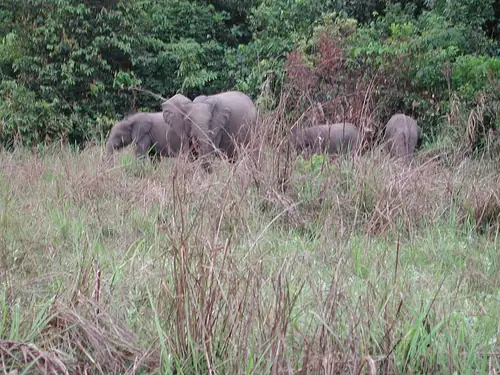
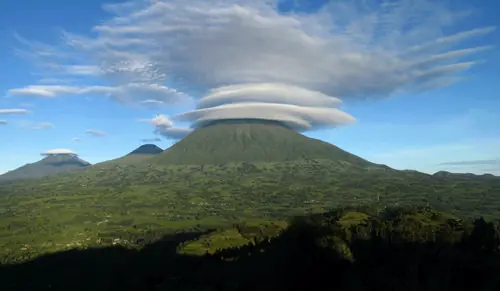
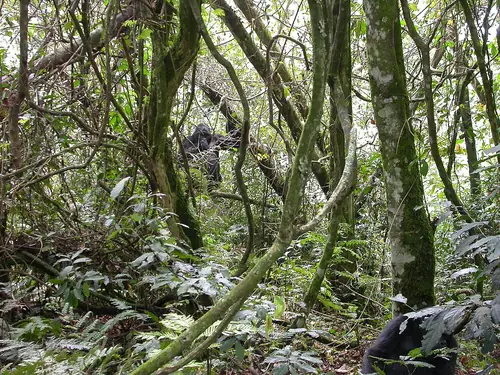
In the Great Lakes region, Uganda and Rwanda are the places for primates, with the mountain gorillas of Bwindi Impenetrable Forest and Volcanoes National Park. To get off the beaten track, consider Malawi and Liwonde National Park, Mozambique and Gorongosa National Park, Eswatini, Ghana and Mole National Park, or Gabon and the Republic of the Congo, where Loango National Park and Odzala-Kokoua National Park protect equatorial forests.
- First safari, wide open spaces and plenty of animals: Kenya, Tanzania.
- Self-drive safari in a hire car: South Africa, Namibia.
- True wilderness and small, remote camps: Botswana, Zambia, Zimbabwe.
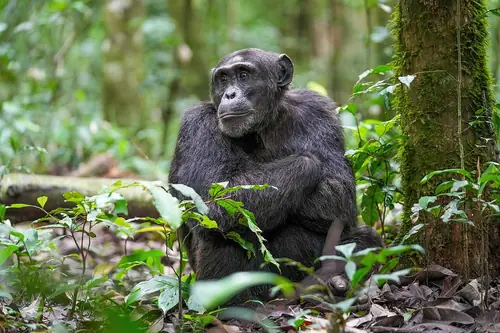
- Gorillas and chimpanzees: Uganda, Rwanda, Republic of the Congo.
- Wildlife and beach combined: Tanzania with Zanzibar, Mozambique, Kenya with its Indian Ocean coast.
The best seasons for a safari
The general rule is simple: the dry season is the best. The grass is shorter, trees lose their leaves and animals gather around waterholes, which makes them easier to see. In East Africa it usually runs from June to October, with a second, shorter window in January and February. In southern Africa it lasts from May to October, with September and October the hottest and often the most rewarding months.
The rainy season has its own appeal: green landscapes, newborn animals, migratory birds, lower prices and quieter parks. On the other hand, some tracks become impassable and some camps close, particularly in Zambia and Botswana.
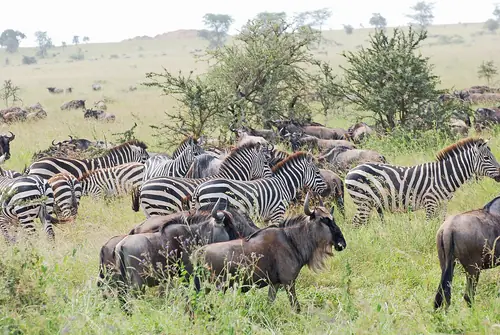
The Great Migration is the yearly movement of more than a million wildebeest, along with zebras and gazelles, between the Serengeti in Tanzania and the Maasai Mara in Kenya. The herds follow the rains and fresh grass in a great loop. Calving usually takes place in the southern Serengeti around January and February, and the herds are often in the Maasai Mara between July and October. The timing varies from year to year, however: no river crossing date can be guaranteed, and staying several days greatly improves your chances.
The Big Five and the rest of the wildlife
The term ‘Big Five’ comes from hunters, who used it for the five animals considered the hardest and most dangerous to hunt on foot: lion, leopard, elephant, rhino and buffalo. Today it mostly serves as a wish list for travellers.
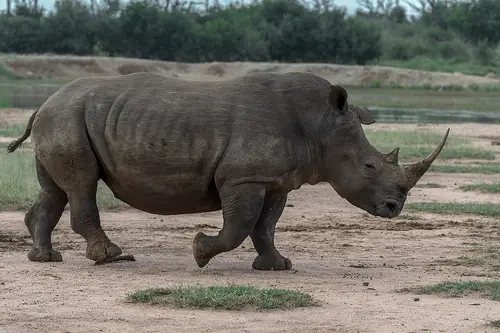
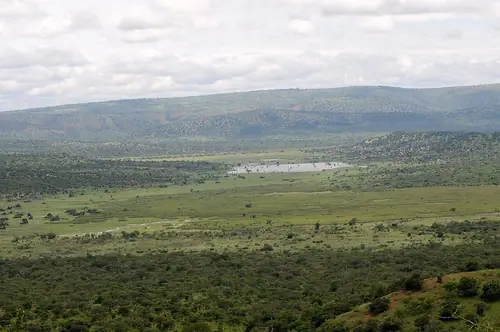
Not every park has all five. The rhino is the hardest to see, having been devastated by poaching, and survives only in small numbers in closely guarded areas. Kruger National Park and Ngorongoro Crater are among the places where you may be lucky enough to see all five. In Eswatini, Hlane Royal National Park is home to lions, elephants and white rhinos.
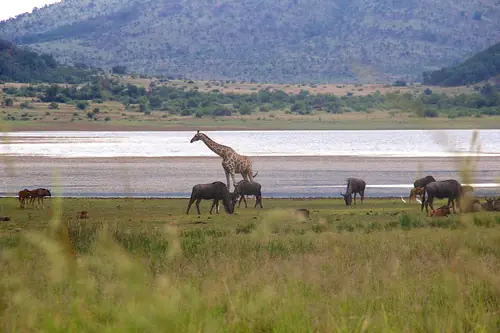
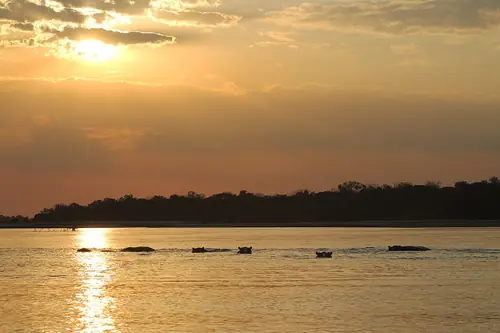
Do not limit yourself to that list: cheetahs, wild dogs, giraffes, hippos, hyenas and hundreds of bird species often make the best memories. A good guide will show you them and teach you to read tracks and behaviour.
Different types of safari
Game drives remain the most common option, but they are not the only one. Each style changes the pace, the budget and the kind of encounters you have.
- By vehicle: in an open 4x4 or a pop-top minibus, with a driver-guide, in the early morning and late afternoon, when animals are most active.
- On foot: with a qualified guide, to look at tracks, insects and plants. Zambia, with South Luangwa, has made it its speciality; Mana Pools in Zimbabwe and Mlilwane Wildlife Sanctuary in Eswatini also offer it.
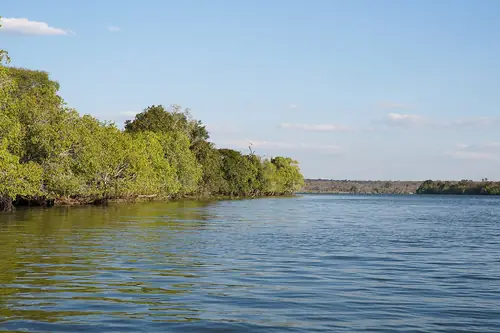
- By boat or canoe: on the Chobe River in Botswana, in Liwonde National Park in Malawi, by mokoro in the Okavango Delta or by canoe in Lower Zambezi National Park, in Zambia.
- Self-drive: in Kruger National Park or Etosha National Park, roads are well signposted and you can explore in a hire car, keeping to gate times and never leaving the vehicle outside designated areas.
- Gorillas and chimpanzees: a forest trek, often physically demanding, to spend a limited time near a family used to people, in Bwindi Impenetrable Forest, Volcanoes National Park or Odzala-Kokoua National Park. Chimpanzees can be tracked in Nyungwe Forest, in Rwanda, among other places.
How much should you budget?
A safari is still an expensive trip, but the differences are huge. Park fees, charged per person per day, weigh heavily in some countries. Gorilla permits are particularly expensive, but they help fund the protection of the animals.
Several choices affect the bill: the season, how remote the camps are, light aircraft flights between parks, group size and level of comfort. A self-drive safari in South Africa or Namibia, staying in national park camps, is often far more affordable than a stay in Botswana's private concessions. In East Africa, small-group tours from Arusha or Nairobi can also keep costs down.
Be wary of unusually cheap offers: they often come at the expense of the guides, vehicle maintenance or park rules.
Responsible safari
Watching wild animals is a privilege that comes with a few rules. The way you travel has a direct effect on the wildlife and on the communities living around the parks.
- Keep your distance: an animal that changes its behaviour is already disturbed. Ask your guide not to surround or chase animals.
- Stay on authorised tracks, speak quietly and never feed the animals.
- Avoid any hands-on activity with captive animals: cuddling lion cubs, walking with lions or riding elephants supports harmful breeding and captivity industries.
- With gorillas, follow the health and distance rules strictly, as they can catch human diseases. Do not go if you are unwell.
- Choose local guides and operators, and places that involve neighbouring communities and put part of their income into conservation.
- Always ask before photographing someone, and check the rules on drones, which are often banned in parks.
What to pack
Luggage is sometimes limited in weight and type, especially on light aircraft flights between camps, where a soft bag is often required. Check the conditions for each flight before you leave.
- Neutral-coloured clothes (beige, khaki, olive), avoiding dark blue and black, which attract tsetse flies in some parks.
- A warm jacket, a hat and gloves: morning drives in open vehicles are cold in the dry season.
- Long sleeves and insect repellent for the evenings.
- A wide-brimmed hat, sunglasses and sunscreen.
- A pair of binoculars for each person: the single most useful item.
- Closed walking shoes, essential for walking safaris and gorilla trekking.
- A head torch, a power bank and a dry bag to protect electronics from dust.
Health and safety
Many safari areas carry a risk of malaria, and some countries require vaccination certificates on entry. See your doctor or a travel clinic several weeks before departure, and check the latest advice on official sources such as TravelHealthPro and the FCDO's foreign travel advice.
Take out travel insurance that covers medical costs and repatriation, including evacuation from a remote area. Once there, always follow your guide's instructions: do not get out of the vehicle without their agreement, do not walk alone at night in an unfenced camp, and keep your distance from animals, even those that look calm.
The security situation can vary from one region to another within the same country. Before booking, read your government's travel advice for every area you plan to visit.
 Botswana
 Eswatini
 Gabon
 Ghana

 Kenya
 Malawi
 Mozambique
 Namibia
 Republic of the Congo
 Rwanda

 South Africa
 Tanzania
 Uganda
 Zambia
 Zimbabwe