AfriqueUnie
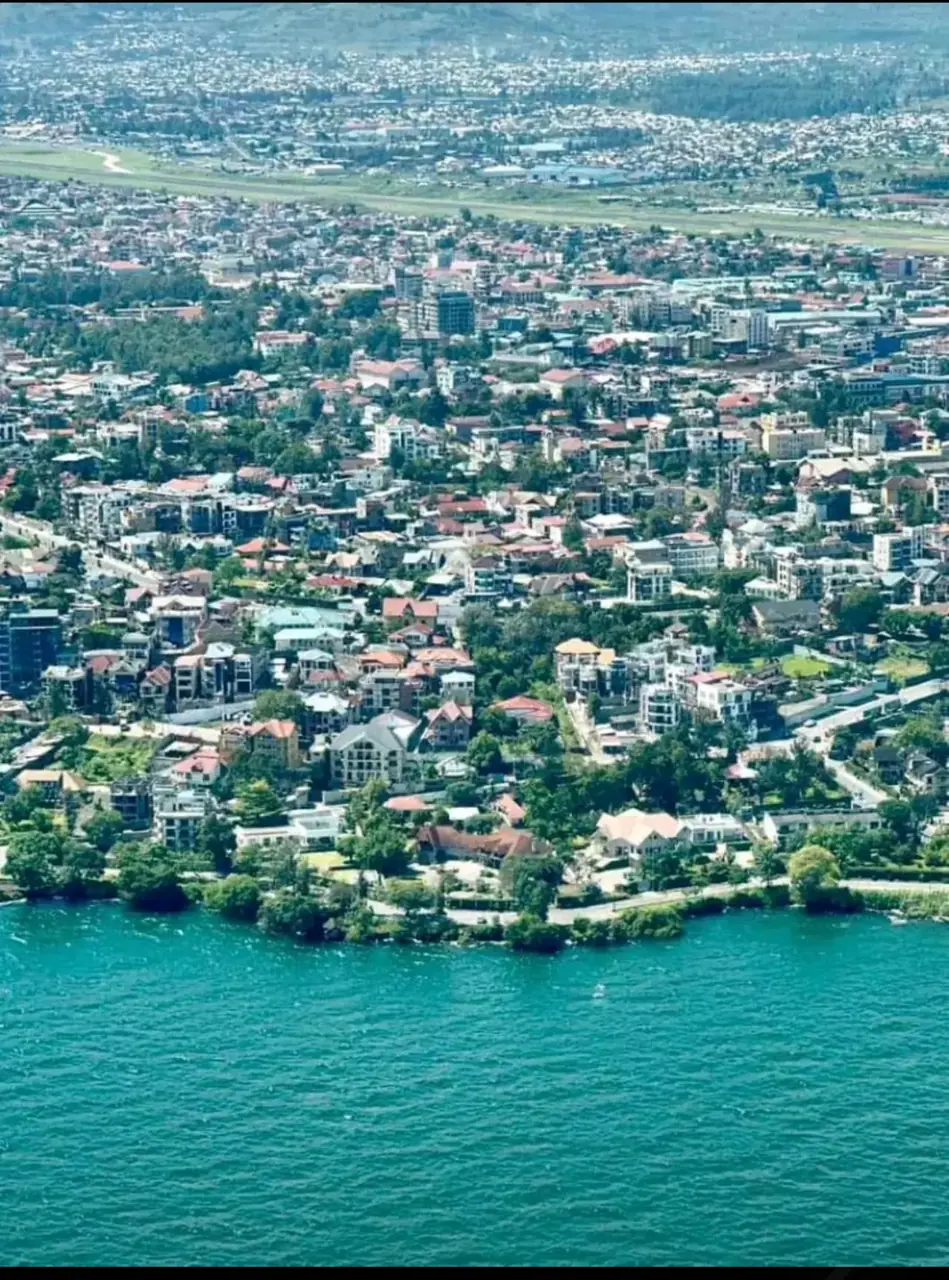 Photo: Dieulaisevambesa · CC BY-SA 4.0
Published by Adama Doumbia, founder of Afrique Unie · updated 28 November 2026 · our method and sources
Why visit Goma?
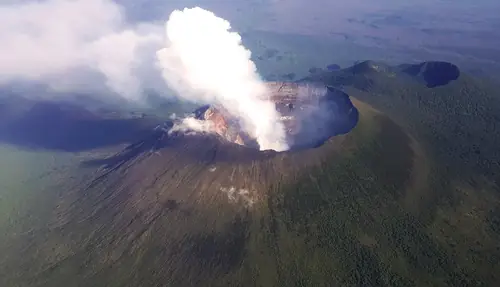
Goma is built on lava flows, on the shores of Lake Kivu at the foot of Mount Nyiragongo. The streets are black with basalt, the walls often built of volcanic stone, and the landscape of lake, hills and volcanoes is strikingly beautiful. Before the recent crises, the city was the main base for visitors to Virunga National Park, for mountain gorilla trekking and the climb up Nyiragongo.
Yet the city has had a turbulent history: devastating eruptions, notably in 2002 and again in 2021, influxes of refugees, and repeated armed conflict in the region. In early 2025, Goma fell under the control of the AFC/M23 rebellion after fierce fighting. The security and humanitarian situation there is very grave.
At present, all travel to Goma and North Kivu is strongly advised against. It is essential to check your government's official travel advice. The information below is given for the day when the situation once again allows safe travel there.
Things to do in Goma: 6 ideas
- 01Shores of Lake KivuWhen the situation allows, stroll along the lake, where fishermen set off in the evening singing in their pirogues.
- 02View of NyiragongoAt night, watch the volcano's red glow, visible from the city in clear weather.
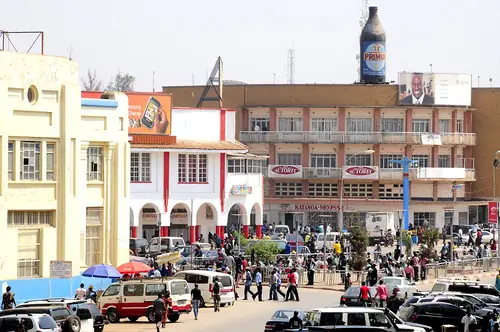
- 03Goma's marketsDiscover lively markets where produce from the hills and the lake comes together.
- 04Lava fieldsUnderstand the impact of the eruptions by walking through neighbourhoods rebuilt on the lava.
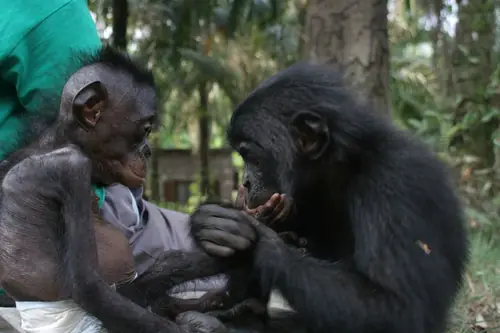
- 05Gateway to VirungaWhen the park reopens, head out to the gorilla trekking and volcano sites.
- 06The lake by boatWhen it becomes possible, consider a boat trip to other shores of Lake Kivu.
Where to stay in Goma
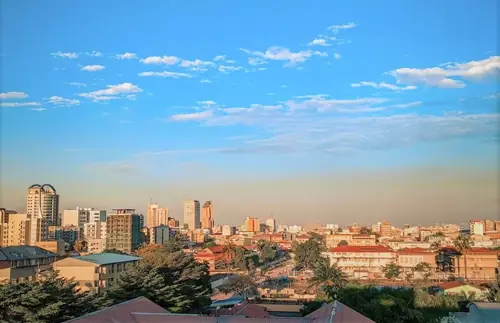
Before the crisis, most visitors stayed in the districts near the lake, such as Himbi, which had hotels and guesthouses with gardens. The city centre was home to shops and services. This information will need to be completely reviewed when the situation allows. The lakeshore, the markets and the neighbourhoods built on lava gave the city its character, somewhere between commercial energy and volcanic landscapes.
 DR Congo