AfriqueUnie
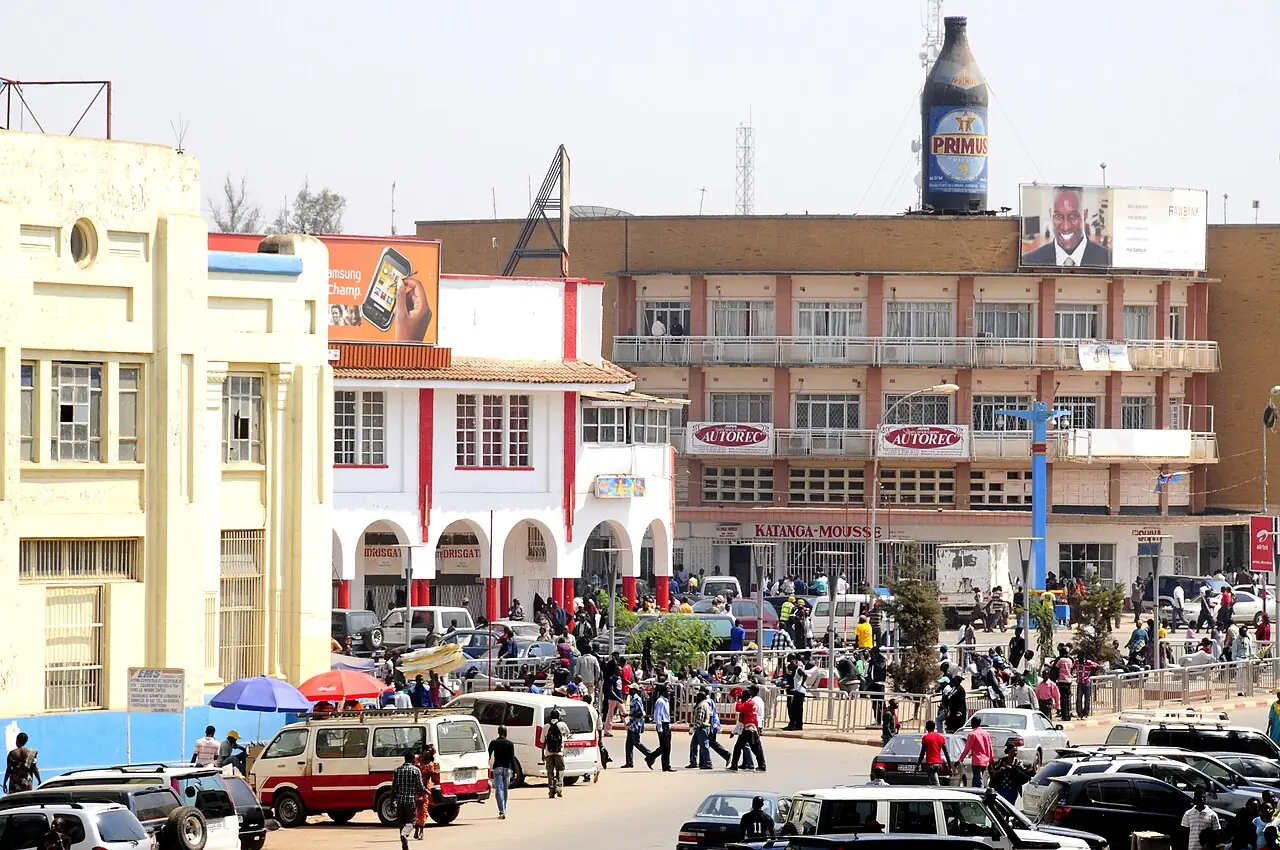 Photo: T. Thielemans · CC BY 3.0
Published by Adama Doumbia, founder of Afrique Unie · updated 28 November 2026 · our method and sources
Why visit Lubumbashi?
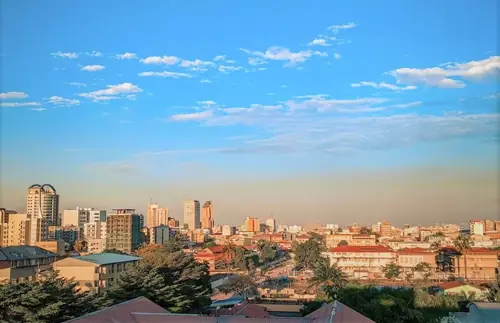
The country's second-largest city, Lubumbashi is the capital of Haut-Katanga and the historic centre of copper mining. Founded in the early twentieth century as Élisabethville, it grew up around the mines and smelters, whose immense black slag heap, visible from afar, remains a landmark. Set at altitude, the city enjoys a more temperate climate than Kinshasa, with cool nights in the dry season.
The atmosphere is more spacious and orderly than in the capital. Its wide, tree-lined avenues retain colonial and Art Deco buildings, and the Cathedral of Saints Peter and Paul is one of its landmarks. The Lubumbashi National Museum displays fine collections of objects from the cultures of Katanga, including Luba pieces renowned for their delicacy.
The city also has an active cultural scene. It regularly hosts artistic gatherings, notably a contemporary art biennale, and its music and photography workshops are dynamic. Swahili is widely spoken here alongside French, a sign of a city that also looks towards East and Southern Africa.
Things to do in Lubumbashi: 6 ideas
- 01National MuseumDiscover Katanga's art and history collections, with their Luba sculptures and objects.
- 02The slag heapLook out from the city at this mountain of mining waste, a symbol of local industrial history.
- 03Cathedral of Saints Peter and PaulAdmire the building and the atmosphere of the Sunday masses, well attended and full of song.
- 04Central marketsBrowse stalls of fresh produce, fabrics and crafts in a lively main market.
- 05Zoological gardenA shady stroll in one of the oldest zoos in the country.
- 06Arts sceneIf the dates line up, catch an exhibition or festival at the city's cultural centres.
A little history
Lubumbashi was born of the wealth beneath its soil. In the early twentieth century, the Belgians took an interest in Katanga's copper deposits, which local people had worked for a long time, and the Union Minière du Haut-Katanga was set up to mine them. The city was founded in 1910 as Élisabethville, in honour of Queen Elisabeth of Belgium, and grew up around the smelter, the railway and a town plan of wide avenues.
Throughout the colonial period, it drew workers from all over Katanga, Kasai and neighbouring countries, which explains the mix of languages and cultures still found here, with Swahili as the language of the street. Shortly after Congo's independence in 1960, Katanga seceded under Moïse Tshombe, with Élisabethville as its capital, until it was reintegrated in 1963.
In 1966, the city took the name Lubumbashi, after the river that runs through it. Under Mobutu, the province was called Shaba, before reverting to the name Katanga in the 1990s. Now the capital of Haut-Katanga, Lubumbashi remains the great mining and economic centre of the south, and its cultural life and its football club, TP Mazembe, make it a city very proud of its identity.
What to eat in Lubumbashi
In Lubumbashi, the basis of a meal is bukari, a thick maize-flour porridge eaten with the fingers, alongside sauces and vegetables. It comes with chicken, grilled meat, pounded cassava leaves or fish, fresh or dried, from the lakes and rivers of the region, such as the small fish known as ndakala. Skewers and grilled meat are everywhere, especially in the evening and at weekends.
To drink, beer plays a big part: Simba, brewed locally, is the emblem of Katanga. Fruit juices and soft drinks are also found everywhere. For eating out, the terraces and restaurants of the city centre serve Congolese and international dishes, often with a Belgian, Greek or Lebanese influence, while small local eateries and neighbourhood grills offer a more authentic atmosphere; pick busy places and well-cooked dishes.
Where to stay in Lubumbashi
The city centre, around the main thoroughfares and the post office, has hotels, restaurants and services: the most practical choice for a first stay. Residential districts such as Golf, greener and quieter, have guesthouses and serviced residences. Working-class areas such as Kenya and Katuba are lively and interesting to explore, preferably with a companion.
Getting there and getting around
Lubumbashi-Luano International Airport (code FBM) lies to the north-east of the city, a short distance from the centre. It has domestic flights to Kinshasa and connections to several major cities in East and Southern Africa, depending on the airline and the season. For the transfer, the easiest option is to ask your hotel to pick you up. By road, the city can also be reached from Zambia via the Kasumbalesa border post, which is very busy with lorries.
In town, you can get around by taxi, shared minibus or motorbike taxi, but for a first visit, a car with a driver booked through your accommodation remains the safest and most comfortable choice. Always agree on the fare before setting off and avoid walking around after dark. Carry a copy of your passport and visa, as checks are frequent.
The official currency is the Congolese franc, but US dollars are widely used, particularly in hotels and restaurants and for larger purchases. Bring recent, clean, untorn notes: old or damaged notes are often refused. ATMs are mainly in the city centre, and cash is essential for everyday spending.
Frequently asked questions
How many days do you need in Lubumbashi?
Two to three days are enough for the National Museum, the city centre and its Art Deco buildings, the cathedral, a market and, if the timing works, a match or a cultural event. Lubumbashi is above all a base for discovering Katanga or a stopover between Southern Africa and the rest of the DR Congo.
When is the best time to visit Lubumbashi?
The dry season, from May to September, is the most pleasant: skies are clear, days are mild and nights are cool. The rainy season, from around November to March, brings heavy downpours, often in the afternoon, which make travel on the region's roads harder.
Do you need a visa for Lubumbashi?
Yes, a visa is required for most travellers. You apply online or through a DR Congo embassy well before you leave. A yellow fever vaccination certificate is required. Check the latest rules on your government's travel advice website before booking.
Can you watch a TP Mazembe match?
Yes, and it is one of the best ways to feel the soul of the city. TP Mazembe, one of the most successful clubs in Africa, plays its home games in Lubumbashi in a very festive atmosphere. Ask your accommodation about the fixture list, go with a local and take care leaving the stadium, where the crowds are dense.
Is Lubumbashi safe for tourists?
The DR Congo is subject to very strict travel advice, especially for the east of the country, where several provinces are advised against entirely. Lubumbashi, in Haut-Katanga, is far from those areas, but its status must be checked on your government's official travel advice map before you make any plans. Once there, avoid going out alone at night, do not photograph official or mining sites, and keep away from gatherings.
 DR Congo