 AfriqueUnie
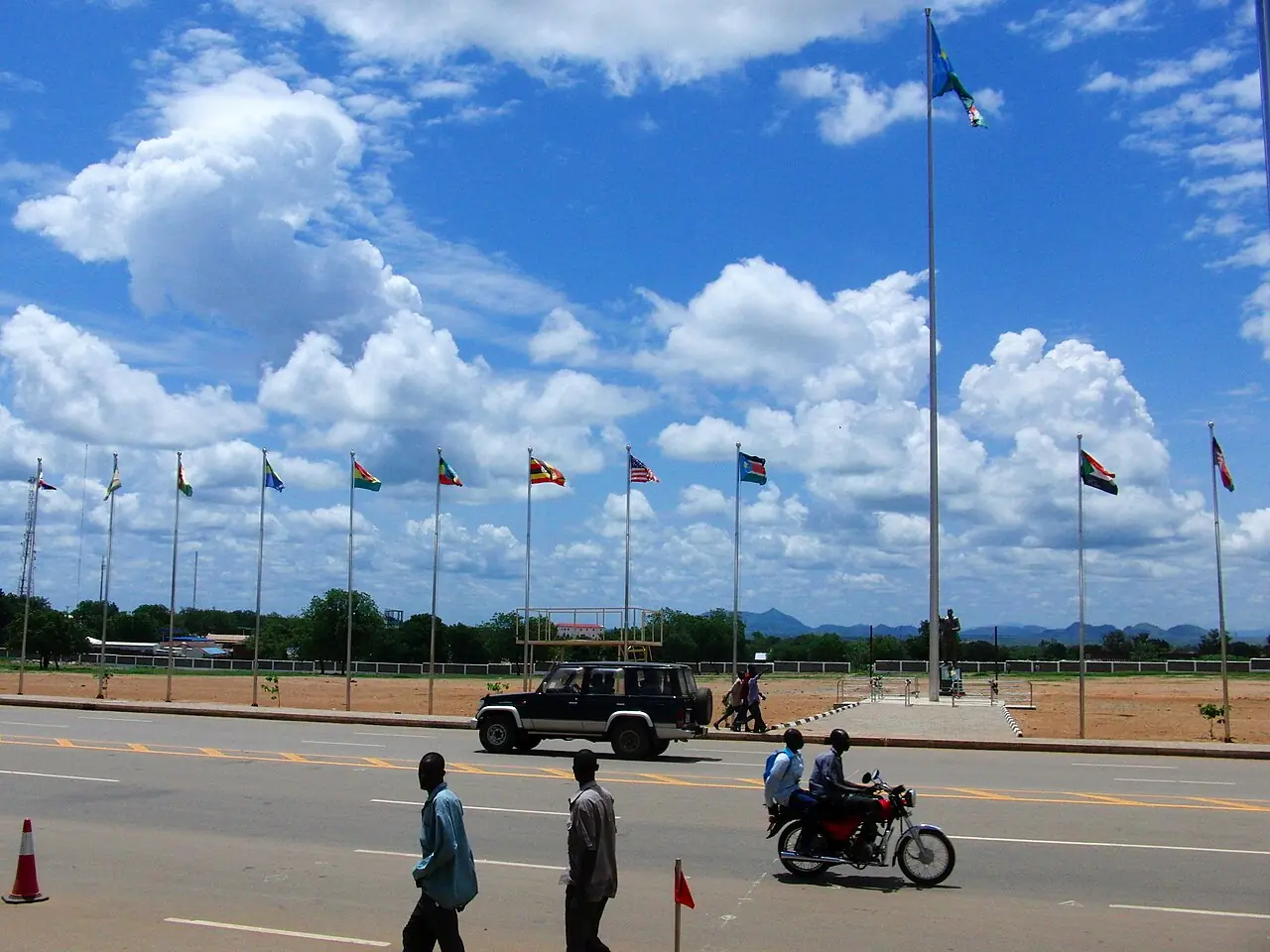 Photo: Jens Klinzing · CC BY-SA 3.0
Published by Adama Doumbia, founder of Afrique Unie · updated 28 November 2026 · our method and sources
Why visit Juba?
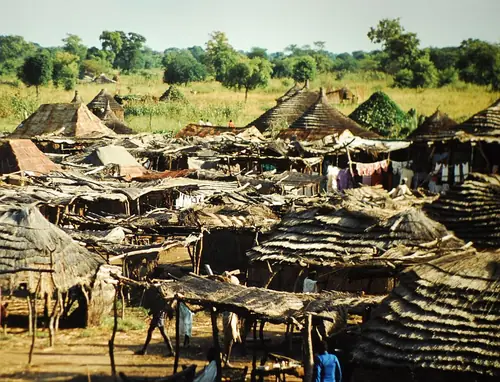
Capital of South Sudan since independence in 2011, Juba spreads along the west bank of the White Nile, a few hundred kilometres north of Uganda. What was once a modest garrison and trading town has within a few years become a fast-growing conurbation, a mix of solid buildings, informal settlements and vast compounds belonging to international organisations. Security remains precarious: armed robbery, violence and political tension demand extreme vigilance, and most governments advise against going there.
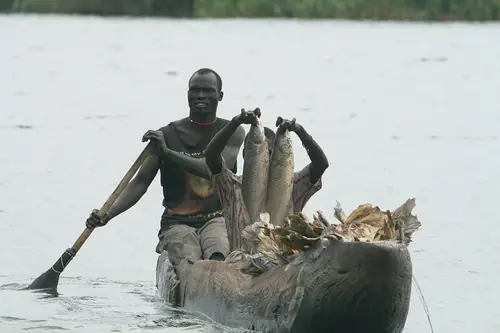
The city lives to the rhythm of the river and its markets. Konyo Konyo, the largest, is crammed with dried fish, vegetables, fabrics and goods imported from Uganda and Kenya. The banks of the Nile, where you can see fishermen and canoes, are one of the few places where locals can relax.
Juba is also home to places of memory, such as the mausoleum of John Garang, a leading figure of the liberation movement, where national celebrations are held. This text describes the city to make it better known, not to encourage a visit in the current context.
Things to do in Juba: 6 ideas
- 01Banks of the NileWhen the situation allows, watch the sun set over the river from a terrace on the banks.
- 02Konyo Konyo marketDiscover, accompanied, the teeming activity of the capital's main market.
- 03John Garang MausoleumVisit this place of memory, central to the story of independence.
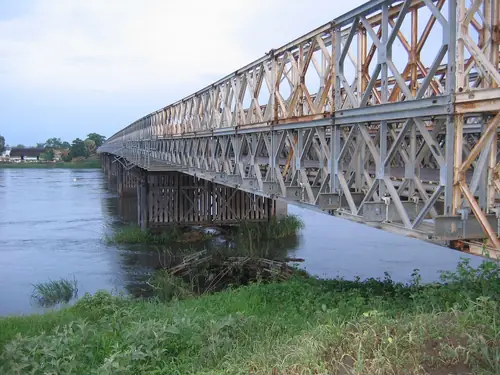
- 04Bridge over the NileWatch, without photographing it, the activity around the bridge linking the city to the east bank.
- 05Nyakuron Cultural CentreFind out about the traditional music and dance performances sometimes staged there.
- 06River cuisineTry grilled Nile fish with kisra in a local restaurant.
Where to stay in Juba
The few travellers, often there for work, stay in secure hotels or compounds, some on the banks of the Nile, in prefabricated rooms or guarded bungalows. The districts near the ministries and international organisations are considered a little safer, but none allows you to walk around with peace of mind, especially at night. Accommodation is surprisingly expensive.
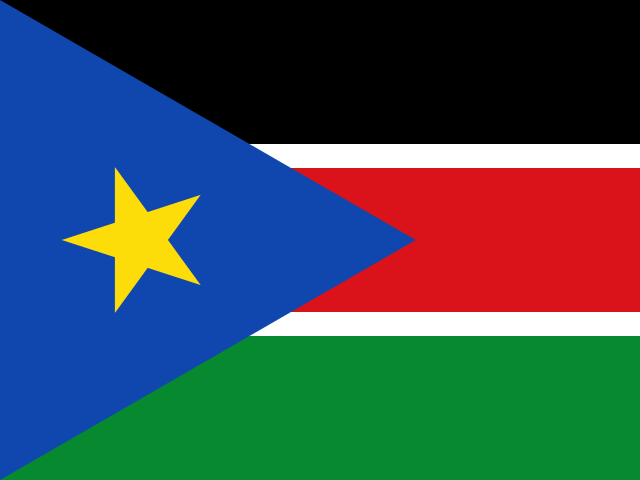 South Sudan