 AfriqueUnie
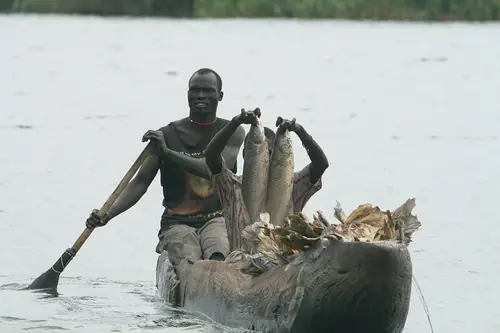
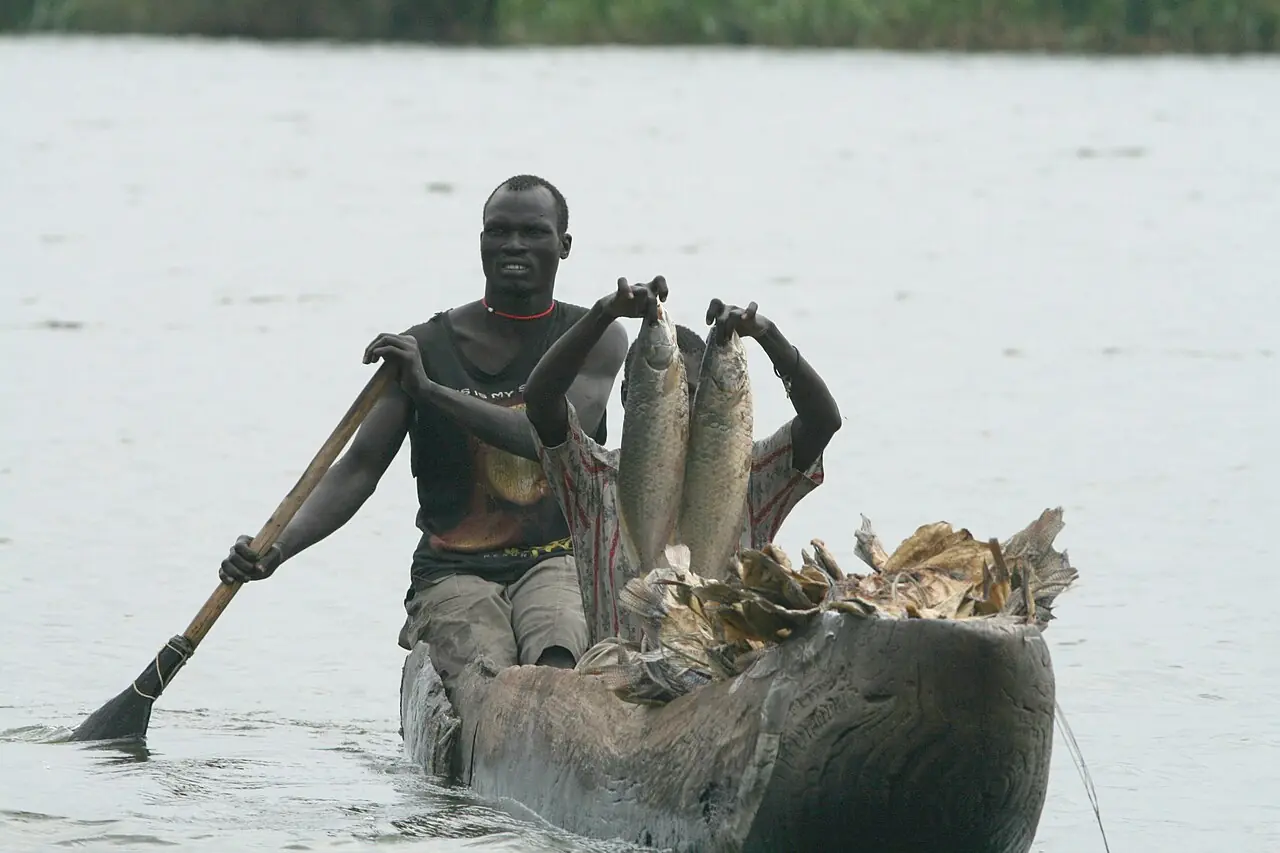 Photo: Water, food and livelihoods in River Basins, Photographer: Karen Conniff · CC BY 2.0
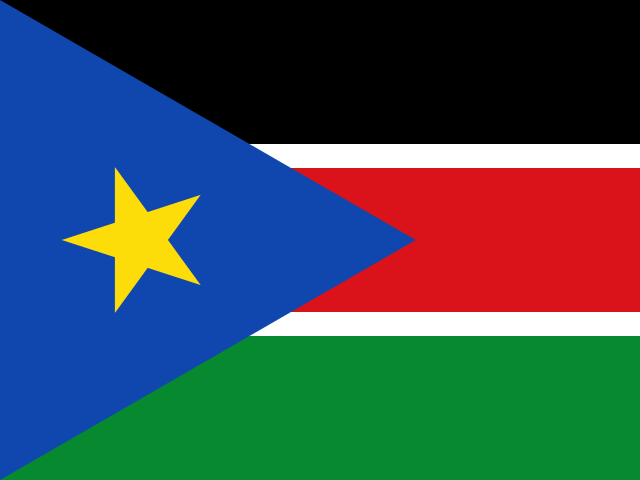 South Sudan
Published by Adama Doumbia, founder of Afrique Unie · updated 28 November 2026 · our method and sources
Why go to South Sudan
Let's start with the essentials: South Sudan is today a destination that is strongly advised against. Armed violence, intercommunal clashes, crime, a humanitarian crisis and the fallout from the war in neighbouring Sudan make the country dangerous for travellers. Before considering anything at all, consult your government's official travel advice, which is authoritative. The lines that follow aim to shed light on a little-known country and its riches, until peace makes travel possible.
For the world's youngest state, independent since 2011, holds natural treasures of the first order. Its south-eastern savannahs are the stage for one of the greatest mammal migrations on the planet: every year hundreds of thousands, perhaps even millions, of antelopes, white-eared kob, tiang and Mongalla gazelle, move between Boma and Badingilo national parks to the rhythm of the rains. In the centre of the country the White Nile spreads out into the Sudd, a labyrinth of marshes and papyrus that is among the largest wetlands in the world, a refuge for rare birds such as the shoebill.
The human wealth is no less. More than sixty ethnic groups live here, among them the Dinka, Nuer, Shilluk, Zande, Toposa and Mundari, whose cattle camps, where young men live among long-horned cows in the smoke of dung fires, have fascinated photographers the world over. Cattle, sung poetry, scarification and dance still shape social life. When the situation allows, this country will offer experiences of rare intensity, to be approached with humility and solid local support.
History and culture
Nilotic peoples and other groups have for centuries occupied the plains and marshes of the Upper Nile, living from herding, fishing and farming. In the 19th century the region suffered slave raids and the expansion of Ottoman Egypt, then came under the Anglo-Egyptian Condominium, which administered it separately from northern Sudan for part of the colonial period.
When Sudan became independent in 1956, the south found itself part of a state dominated by Khartoum. Two long civil wars then pitted southern movements against the central government, the second ending with the Comprehensive Peace Agreement of 2005. A self-determination referendum led to independence on 9 July 2011. But as early as 2013 a civil war broke out within the new state itself, claiming a huge number of lives. A revitalised peace agreement was signed in 2018, but its implementation remains incomplete and fragile. The country must also take in hundreds of thousands of refugees and returnees fleeing the war that broke out in 2023 in neighbouring Sudan, while coping with recurrent flooding.
8 experiences not to miss in South Sudan
- 01The Boma and Badingilo migrationWhen peace allows, fly over or follow at a distance the columns of antelopes on the move across the south-eastern savannahs.
- 02Mundari cattle campsOne day, accompanied, discover the world of the Mundari herders and their giant-horned cows at sunset.
- 03The White Nile at JubaWatch river life, the canoes and the fishermen from the banks of the capital.
- 04The Sudd marshesPicture yourself navigating between papyrus and water lilies in search of the shoebill.
- 05Konyo Konyo marketPlunge into the bustle of this great Juba market, among dried fish, spices and fabrics.
- 06John Garang MausoleumPay your respects at the tomb of the liberation movement's historic leader, a place of national memory.
- 07Wau CathedralAdmire the imposing red-brick church, a witness to the missionary history of the west of the country.
- 08Traditional dances and songsAttend a wrestling dance or pastoral songs at a community celebration.
When to go to South Sudan
South Sudan has a dry season, from December to March, and a long rainy season, from roughly April to November, more pronounced in the south. In the dry season the tracks become passable, animals gather around water holes and herders move closer to the rivers: this is the most favourable time for wildlife and for getting around. The rains, by contrast, turn much of the country into an impassable quagmire, and the Sudd expands considerably, causing dramatic flooding in recent years. The heat can be intense at the end of the dry season. Here, however, the choice of season remains very much secondary to the security situation.
Getting around
In the current situation, travel is dangerous and strongly advised against. The road network is very limited, largely unpaved, and roads can be the scene of ambushes or roadblocks. Humanitarian organisations travel mainly by air between Juba and provincial towns. When travel becomes conceivable again, you will need to go through a specialist operator with the necessary authorisations, notably the photography permit long required, and an intimate knowledge of the terrain. Getting around Juba itself is done by car, by day, with a trusted driver.
Etiquette and customs
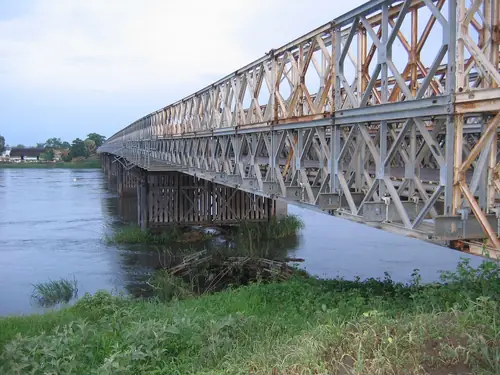
In South Sudan, cattle lie at the heart of social and cultural life: a cow represents wealth, bride price and prestige, and showing respect towards the herds matters. Greetings are important and take time; people shake hands, sometimes at length. Asking permission before taking a photograph is essential, and photographing official buildings, soldiers, bridges and infrastructure is strictly forbidden. Modest dress is appreciated. Political and ethnic subjects are extremely sensitive after years of war. Show humility, a willingness to listen and patience towards people who have been through great hardship.
Food and drink in South Sudan
South Sudanese cooking is simple and based on grains, pulses, milk and fish. Kisra, a thin fermented sorghum flatbread, accompanies stews of okra, greens or meat. Asida, a thick porridge of sorghum or maize, is shared with sauces. Ful, broad beans slow-cooked with oil and spices, is eaten at breakfast, a legacy shared with Sudan. Along the Nile and in the Sudd, fish, whether fresh, dried or smoked, is essential. Milk and dairy products, as well as grilled goat or beef, are of great importance among the pastoral peoples, and very sweet tea accompanies long conversations.
 Burundi
 Djibouti
 Eritrea
 Ethiopia
 Kenya
 Rwanda
 Somalia
 Tanzania
 Uganda