 AfriqueUnie
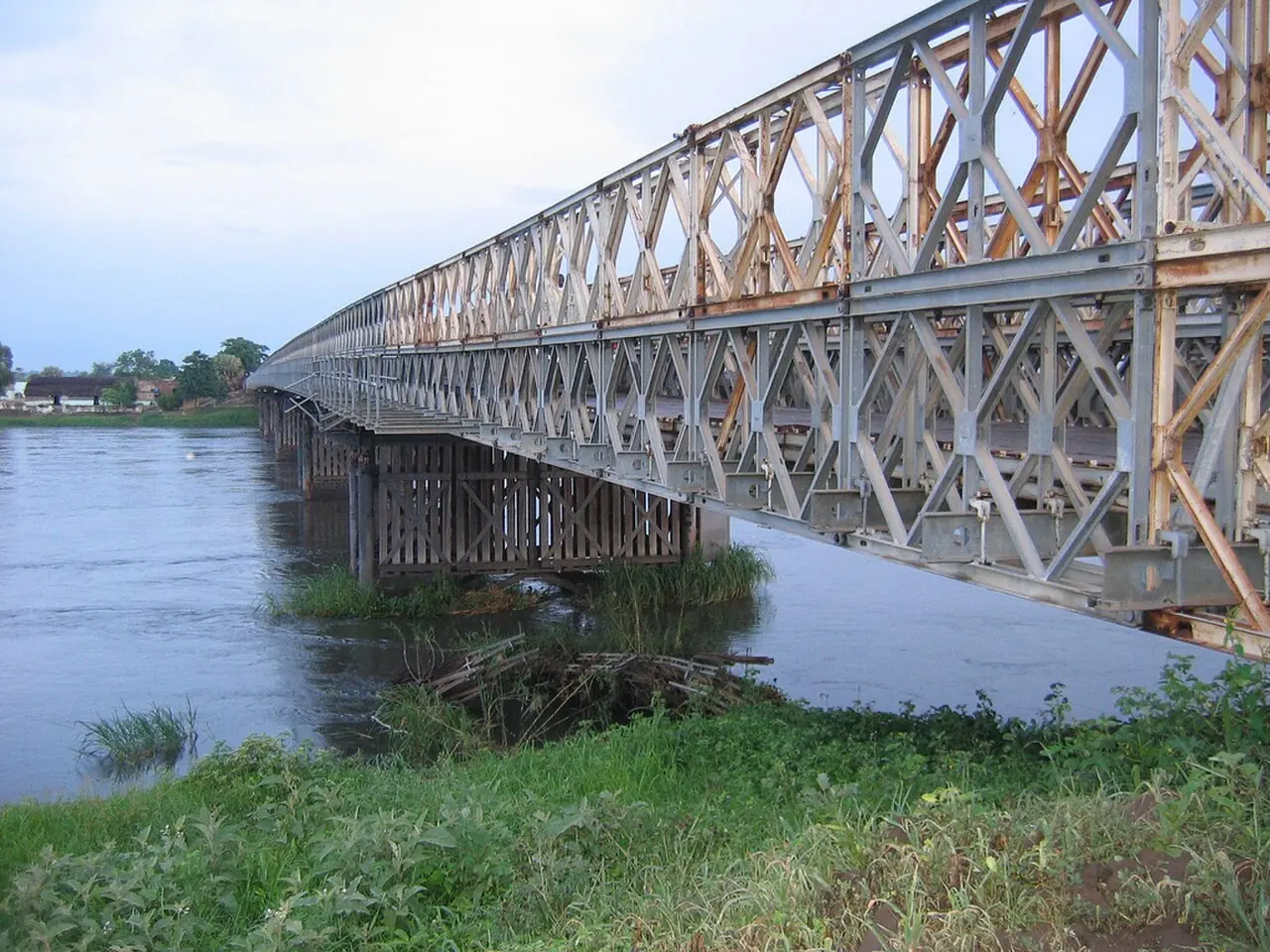 Photo: User DEMOSH on flickr.com · CC BY 2.0
Published by Adama Doumbia, founder of Afrique Unie · updated 28 November 2026 · our method and sources
Why go
The White Nile enters South Sudan from Uganda at Nimule, still turbulent after leaving the Great Lakes. It runs through rapids, then calms as it nears Juba, where it becomes a broad, brown river flanked by green banks. Further north it loses itself in the Sudd marshes before resuming its course towards Malakal and Sudan, where it joins the Blue Nile at Khartoum.
For local people, the river is at once a transport route, a larder and a place to live: they fish in it, wash in it and water their cattle there, and barges carry goods and passengers along it. It is also steeped in history, since 19th-century European explorers travelled up it in search of the sources of the Nile. Nimule National Park, on its banks near the Ugandan border, is home to hippos and elephants.
Getting there
The river flows through Juba, served by the capital's international airport. The Nimule area lies about 190 kilometres to the south, along the main road to Uganda. Travel in the country is currently strongly advised against: consult your government's official travel advice before making any decision.
 Burundi
 Djibouti
 Kenya