AfriqueUnie
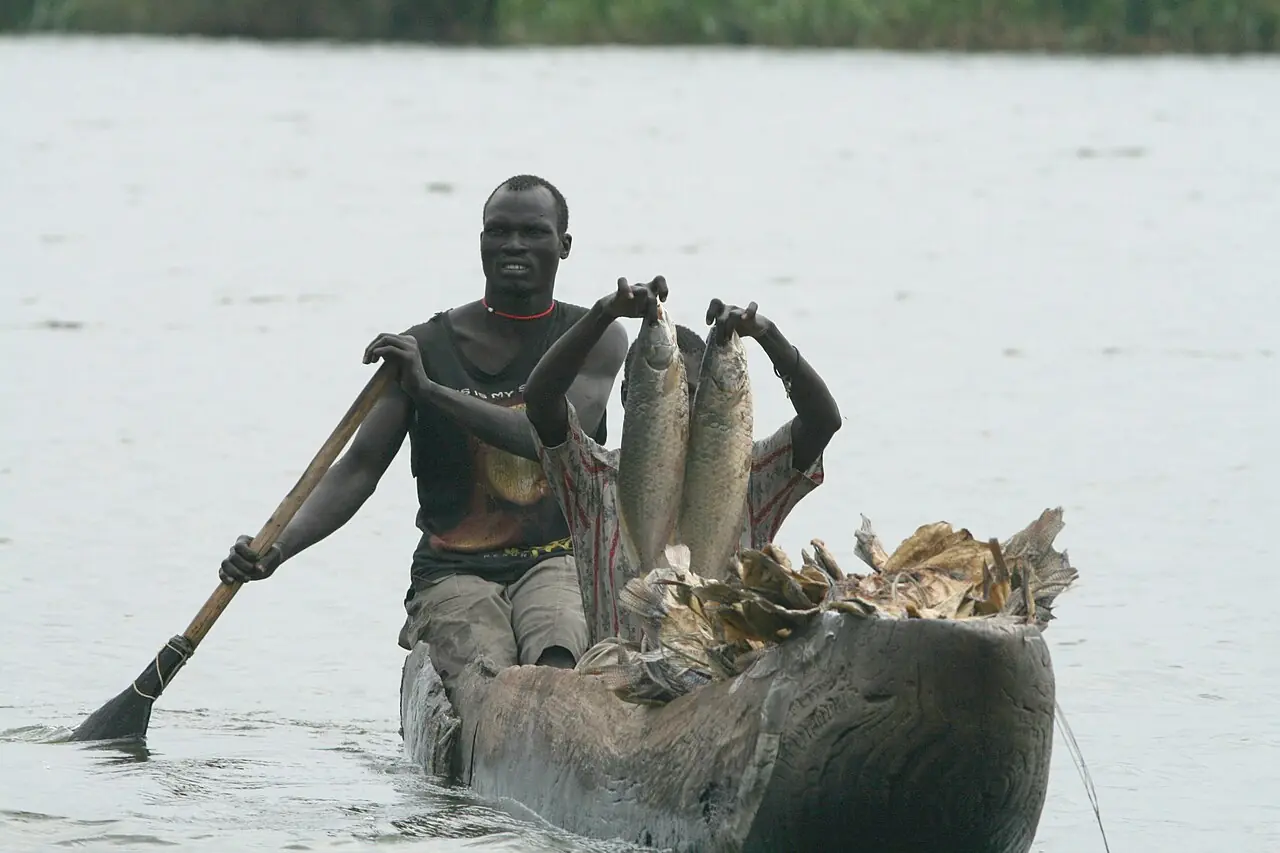 Photo: Water, food and livelihoods in River Basins, Photographer: Karen Conniff · CC BY 2.0
Published by Adama Doumbia, founder of Afrique Unie · updated 28 November 2026 · our method and sources
What the official advice says
The UK Foreign, Commonwealth & Development Office (FCDO) advises against all travel to South Sudan due to the risk of armed violence and criminality. It warns that political tensions are high, that Juba airport may close and flights be cancelled at short notice if the situation deteriorates, and that in-person consular assistance is not available.
The French foreign ministry formally advises against the whole country except the capital, Juba, and the towns of Wau, Yambio and Aweil, which are advised against unless there is a compelling reason. Work trips there can be considered only if you travel by air and follow strict security rules. Road travel is formally advised against throughout the country.
France notes that the 2018 peace agreement reduced fighting, but that the situation remains very volatile, with local conflicts, numerous armed checkpoints on the roads and crime affecting the whole country.
The FCDO says anyone who chooses to remain should have a personal emergency plan that does not rely on the UK government, including the means to leave or to shelter in place.
What it means for insurance
Most travel and assistance policies exclude countries or areas that the foreign ministry formally advises against: medical costs, evacuation and repatriation would then not be covered. The UK government warns that your travel insurance could be invalidated if you travel against FCDO advice.
Read the exclusions in your policy, including any cover attached to your bank card, and ask the insurer for written confirmation. People sent by an employer, an NGO or a media organisation are usually covered by specialist high-risk policies arranged by their organisation: check exactly what they cover (medical evacuation, security evacuation, duration, areas).
The French foreign ministry is explicit: visitors are responsible for their own safety and must have the insurance and funds needed to cover hospital treatment or evacuation.
Visa and passport: how it works
Information checked in November 2026. These rules can change at any time: read the official sources again and contact the country's embassy before taking any step.
A visa is required to enter or travel through South Sudan. The UK government says you can apply online or through the South Sudanese Embassy. According to the French foreign ministry, South Sudanese embassies in Nairobi, Addis Ababa and Kampala can issue visas within 24 hours, and as visas on arrival at Juba are unreliable, airlines may refuse to board passengers without one.
Passport: at least six months' validity after arrival and at least two blank pages. You must register locally: the UK says at a police station if you stay five days or more, France says with the immigration department for stays of more than three days. Check with your host organisation.
The FCDO reports that security services have harassed, detained and expelled foreign nationals, including NGO staff and journalists, at Juba airport, often over yellow fever certificates, visas or work permits. Anyone planning to work needs a work permit from the Ministry of Labour.
Health and vaccinations
Yellow fever: a certificate is required on entry for all travellers from 9 months of age, and vaccination is recommended as the disease is present. Get it at a designated centre at least ten days before departure.
Malaria is present throughout the country. Bite avoidance and preventive medication should be decided with a doctor.
Ebola: since May 2026, an outbreak has affected the neighbouring Democratic Republic of Congo, including near the border with Western Equatoria; the WHO has declared a Public Health Emergency of International Concern. Uganda was also affected, but the WHO confirmed the end of its outbreak on 27 August 2026. When we checked, the French foreign ministry said no case had been confirmed in South Sudan. Expect health screening at land borders and declaration forms at Juba airport; the UK Returning Workers Scheme covers health and humanitarian workers coming back from South Sudan. The FCDO notes there is no public emergency medical number.
If you must go: the checklist
- Essential reason: Humanitarian or professional work, ideally with an organisation that has a security plan.
- FCDO alerts: Sign up for email alerts on your destination's page at gov.uk/foreign-travel-advice: you are notified each time the advice changes.
- Ariane (French nationals): French citizens should register on Ariane, the French foreign ministry's service reached from diplomatie.gouv.fr, before departure, to receive alerts and be contactable in a crisis.
- Getting around: Fly between towns; no night travel and no motorbikes.
- Crisis plan: Supplies, documents to hand and a plan to shelter in place or leave.
- Insurance: Written confirmation of cover, including evacuation.
- Documents: Visa obtained before departure, yellow fever certificate, work permit if needed, registration on arrival.
Heritage to discover when conditions allow
South Sudan is crossed by the White Nile and is home to the Sudd, one of Africa's largest wetlands. The Boma and Badingilo plains are known for vast antelope migrations, and pastoral peoples such as the Dinka, Nuer and Mundari have an ancient and distinctive cattle culture.
We will update this guide if the official advice changes.