 AfriqueUnie
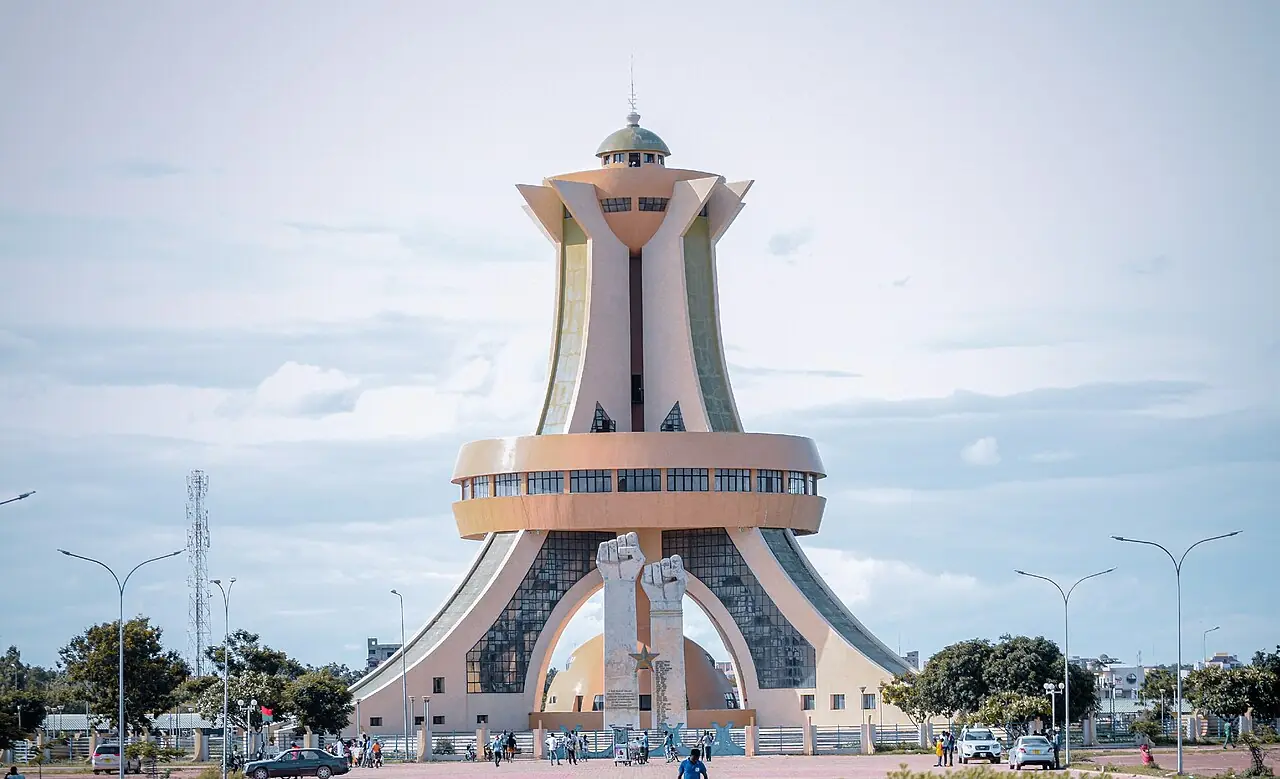 Photo: The black photographer · CC0
Published by Adama Doumbia, founder of Afrique Unie · updated 28 November 2026 · our method and sources
Why visit Ouagadougou?
Let us say straight away that Burkina Faso is currently advised against for travellers and that Ouagadougou itself has been the target of attacks: you must check your government's official travel advice. This portrait describes the capital as we hope to find it again once the situation allows.
Ouaga, as everyone calls it, is not a city of monuments but a city of movement. Its broad avenues lined with flame trees are swarming with mopeds, its red laterite streets come alive at dawn around the women selling fritters, and in the evening the maquis light up to the sound of coupé-décalé or warba. It is a capital that works, debates and creates, and you feel its energy above all by sitting on a terrace and watching the city go by.
It owes its cultural fame to FESPACO, whose film-makers' monument is a reminder of its importance, and to an extremely vibrant craft scene. It is also the seat of the Mogho Naba, king of the Mossi, whose court keeps ancient ceremonies alive. Ouaga is a city to live rather than to visit, where you make friends before you tick off sights.
Things to do in Ouagadougou: 6 ideas
- 01The Village ArtisanalA vast craft centre where bronze casters, sculptors, weavers and leatherworkers work before your eyes and sell at fixed prices.
- 02The National MuseumA fine collection of masks, statuettes and ritual objects from the country's different regions.
- 03The bronze casters of NiogsinA district of workshops where bronze is cast using the lost-wax method, with skills handed down from generation to generation.
- 04The Laongo siteSome thirty kilometres away, a field of granite turned into an open-air museum by sculptors from all over the world.
- 05Evenings in the maquisSettle down over braised chicken and a local beer, to the rhythm of music and conversation.
- 06The Rood Woko Grand MarketA maze of fabrics, spices, hardware and small shops in the heart of the city.
Where to stay in Ouagadougou
The centre, around Avenue Kwame Nkrumah, is home to banks, business hotels and restaurants, making it convenient for a first stay. Ouaga 2000, to the south, is a modern district of ministries, residences and embassies, quieter but out of the way. More working-class neighbourhoods such as Gounghin or Dapoya give you the atmosphere of family courtyards and local maquis. Guesthouses and small inns run by Burkinabè families or associations are often the best way to get a feel for the city, provided, today more than ever, that you check the security advice for each area.
 Burkina Faso