AfriqueUnie
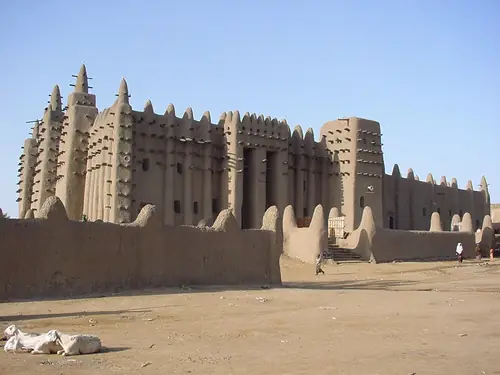
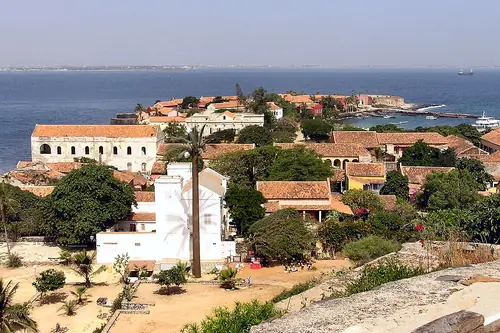
 Photo: David Stanley from Nanaimo, Canada · CC BY 2.0
Published by Adama Doumbia, founder of Afrique Unie · updated 28 November 2026 · our method and sources
The 8 countries of the West African CFA franc (XOF)
The West African CFA franc is issued by the Central Bank of West African States (BCEAO). It is used in the eight countries of the West African Monetary Union:
- Benin
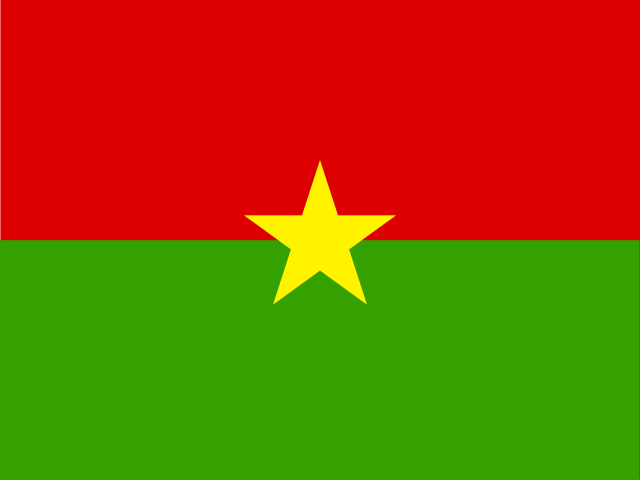
- Burkina Faso: French authorities advise against all travel there.
- Côte d'Ivoire
- Guinea-Bissau
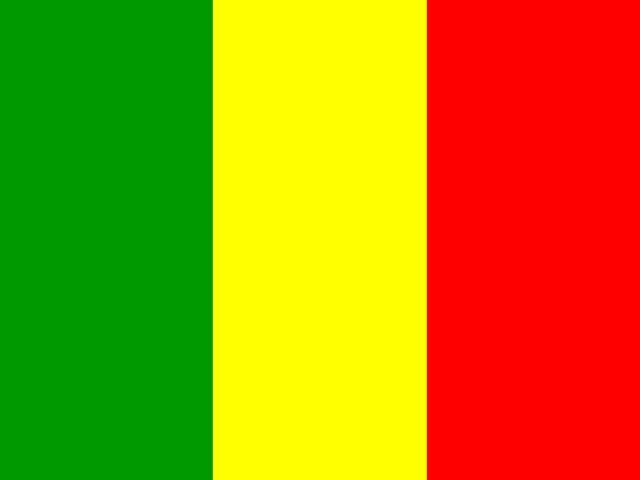
- Mali: French authorities advise against all travel there.
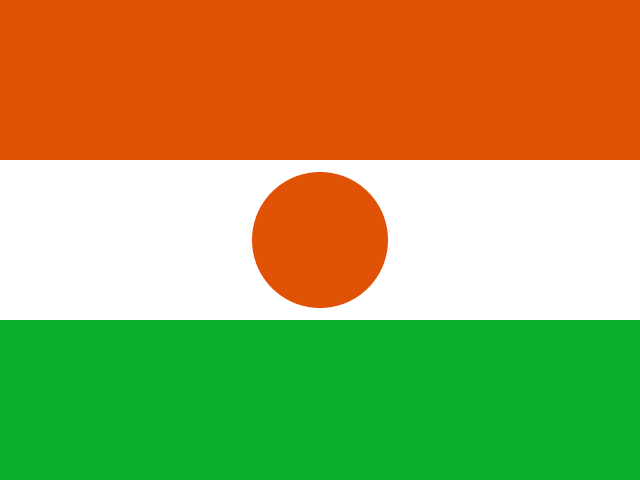
- Niger: French authorities advise against all travel there.
- Senegal
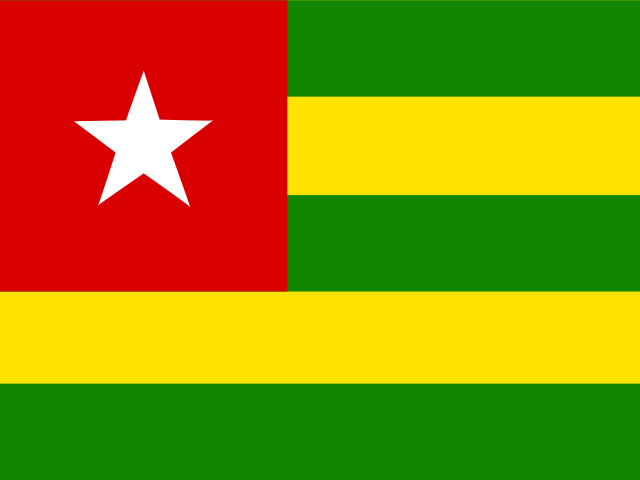
- Togo
The 6 countries of the Central African CFA franc (XAF)
The Central African CFA franc is issued by the Bank of Central African States (BEAC). It is used in the six countries of the Central African Economic and Monetary Community (CEMAC):
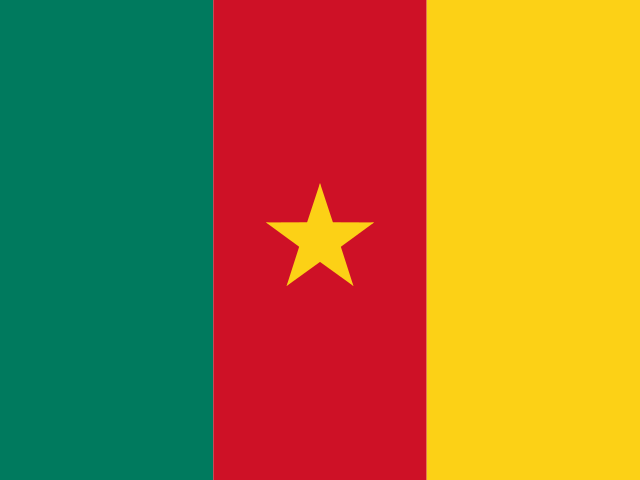
- Cameroon
- Central African Republic: French authorities advise against all travel there.
- Congo
- Gabon
- Equatorial Guinea
- Chad
Same value, two different currencies
Both CFA francs are pegged to the euro at the same fixed rate: 1 euro = 655.957 CFA francs. A 10,000 CFA franc note is therefore worth about 15 euros, in the West and in Central Africa alike.
Yet they are two separate currencies, with their own notes and coins, issued by the BCEAO on one side and the BEAC on the other. If you travel from one zone to the other, for example from Senegal to Cameroon or from Côte d'Ivoire to Gabon, spend or exchange your CFA francs before you leave rather than counting on using them on arrival.
In some countries, safety varies a lot from one region to another: before you go, read our country page and the official travel advice.
Mali, Burkina Faso, Niger: still the CFA franc
Mali, Burkina Faso and Niger left ECOWAS on 29 January 2025, but according to France Diplomatie (country pages updated in October 2026), their currency is still the West African CFA franc. The three countries have discussed plans for a common currency, with no change in force so far. Remember that French authorities advise against all travel to these three countries.
Likewise, the "eco" is not in circulation: in December 2019, France and WAEMU signed a new monetary cooperation agreement, and WAEMU authorities announced they wished to rename the West African CFA franc the "eco". The timetable is up to WAEMU; the reform does not concern Central Africa.
Neighbouring countries that do not use the CFA franc
Several neighbouring countries have their own currency: the Guinean franc in Guinea, the ouguiya in Mauritania, the dalasi in the Gambia, the cedi in Ghana, the naira in Nigeria and the escudo in Cape Verde.
The Comorian franc (KMF) is not a CFA franc: it is the currency of the Comoros, also pegged to the euro, but at a different rate (about 492 Comorian francs to 1 euro). Each country's currency is shown at the top of its country page.
Paying on the ground: good habits
- Bring euros in cash: Euros are easy to exchange in CFA franc countries thanks to the fixed rate. Change money at banks, large hotels or reputable exchange bureaux, never in the street.
- Don't rely on cards alone: In Senegal, ATMs in Dakar accept foreign cards, but there are few elsewhere in the country, according to gov.uk. In Cameroon, ATMs are scarce outside large towns. Niger is mostly cash-based.
- Keep small notes: Taxis, markets and small shops often struggle to give change for large notes.
- Declare large sums: In Senegal and Côte d'Ivoire, France Diplomatie says non-residents must declare foreign currency above the equivalent of one million CFA francs on entry; in Cameroon, the declaration applies on entry and exit. Rules vary by country: check them before you travel.