AfriqueUnie
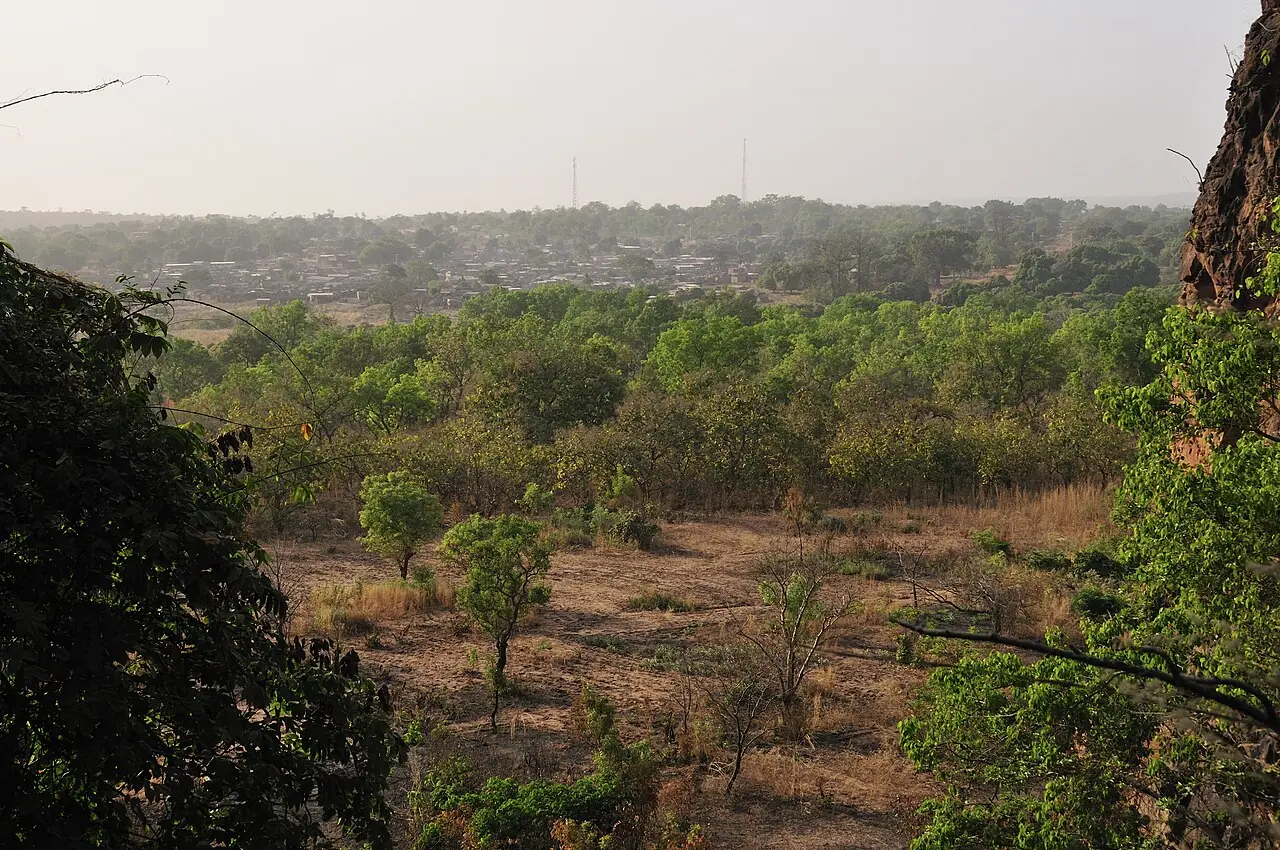 Photo: This Photo was taken by croucrou / Sylvain Crouzillat Cette Photo a été prise pa · CC BY-SA 3.0
Published by Adama Doumbia, founder of Afrique Unie · updated 28 November 2026 · our method and sources
What the official advice says
The UK Foreign, Commonwealth & Development Office (FCDO) advises against all travel to Burkina Faso due to the threat of terrorist attacks and terrorist kidnap, and the unstable political situation. There is no British Embassy in the country: consular support is provided from the British Embassy in Accra, Ghana, which cannot offer in-person help. The FCDO warns it may not be able to evacuate British nationals and that leaving safely could be difficult if the situation deteriorates.
The FCDO also reports that the death penalty was reinstated in October 2026 for certain offences, including terrorism and espionage.
The French foreign ministry places the whole country in its red zone and formally advises against any travel, including to national parks, reserves, hunting areas and even the outskirts of Ouagadougou. It says the French Embassy and Consulate General in Ouagadougou are closed following the Burkinabè authorities' decision to break off diplomatic relations, and that French nationals may face travel restrictions and a risk of arrest and detention.
What it means for insurance
Most travel and assistance policies exclude countries or areas that the foreign ministry formally advises against: medical costs, evacuation and repatriation would then not be covered. The UK government warns that your travel insurance could be invalidated if you travel against FCDO advice.
Read the exclusions in your policy, including any cover attached to your bank card, and ask the insurer for written confirmation. People sent by an employer, an NGO or a media organisation are usually covered by specialist high-risk policies arranged by their organisation: check exactly what they cover (medical evacuation, security evacuation, duration, areas).
With no in-person consular help available, your insurer's or employer's assistance service is likely to be your main support if something goes wrong.
Visa and passport: how it works
Information checked in November 2026. These rules can change at any time: read the official sources again and contact the country's embassy before taking any step.
A visa is required before arrival. The UK government says you cannot get one in the UK: apply online or through the Embassy of Burkina Faso in Brussels; there are also Burkinabè embassies in the region, including Accra and Abidjan. The official online platform is eVisaburkina (visaburkina.bf), and the e-visa must be printed for arrival.
According to the French foreign ministry, since 8 April 2026 all passengers must complete an online travel form (« fiche voyage ») at fichedevoyage.gov.bf before every entry and exit.
Passport: the UK says it must be valid for the length of your stay with two blank pages; France asks for more than six months' validity on departure. Follow the stricter rule. A yellow fever certificate is checked at the airport.
Health and vaccinations
Yellow fever: a certificate is required on entry for all travellers from 9 months of age, and vaccination is recommended as the disease is present. Get it at a designated centre at least ten days before departure.
Malaria is present throughout the country. Bite avoidance and preventive medication should be decided with a doctor.
Check your routine vaccines, including measles, and ask about hepatitis A, typhoid and rabies.
If you must go: the checklist
- Essential reason: Serious work or family reasons: the official advice covers no other kind of trip.
- FCDO alerts: Sign up for email alerts on your destination's page at gov.uk/foreign-travel-advice: you are notified each time the advice changes.
- Ariane (French nationals): French citizens should register on Ariane, the French foreign ministry's service reached from diplomatie.gouv.fr, before departure, to receive alerts and be contactable in a crisis.
- Exit plan: The FCDO asks you to have your own plan to leave the country and keep travel documents up to date.
- Security: Secure accommodation, limited movement, no gatherings, flights rather than roads.
- Insurance: Written confirmation of cover, including evacuation.
- Formalities: Printed e-visa, travel form completed for entry and exit, yellow fever certificate.
Heritage to discover when conditions allow
Burkina Faso has remarkable sites, such as the Ruins of Loropéni, a UNESCO World Heritage site, the royal court of Tiébélé with its painted houses, and the Sindou peaks. Ouagadougou hosts FESPACO, one of the continent's great film festivals, and Bobo-Dioulasso has an old mud-brick mosque.
We will update this guide if the official advice changes.