 AfriqueUnie
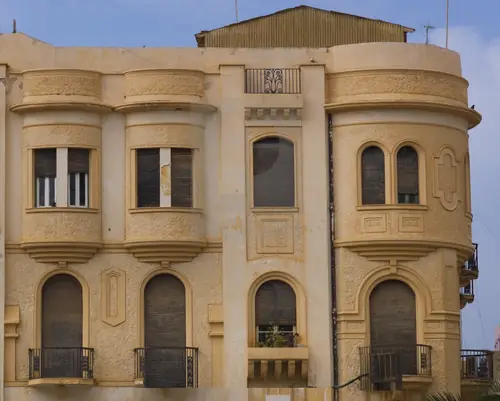
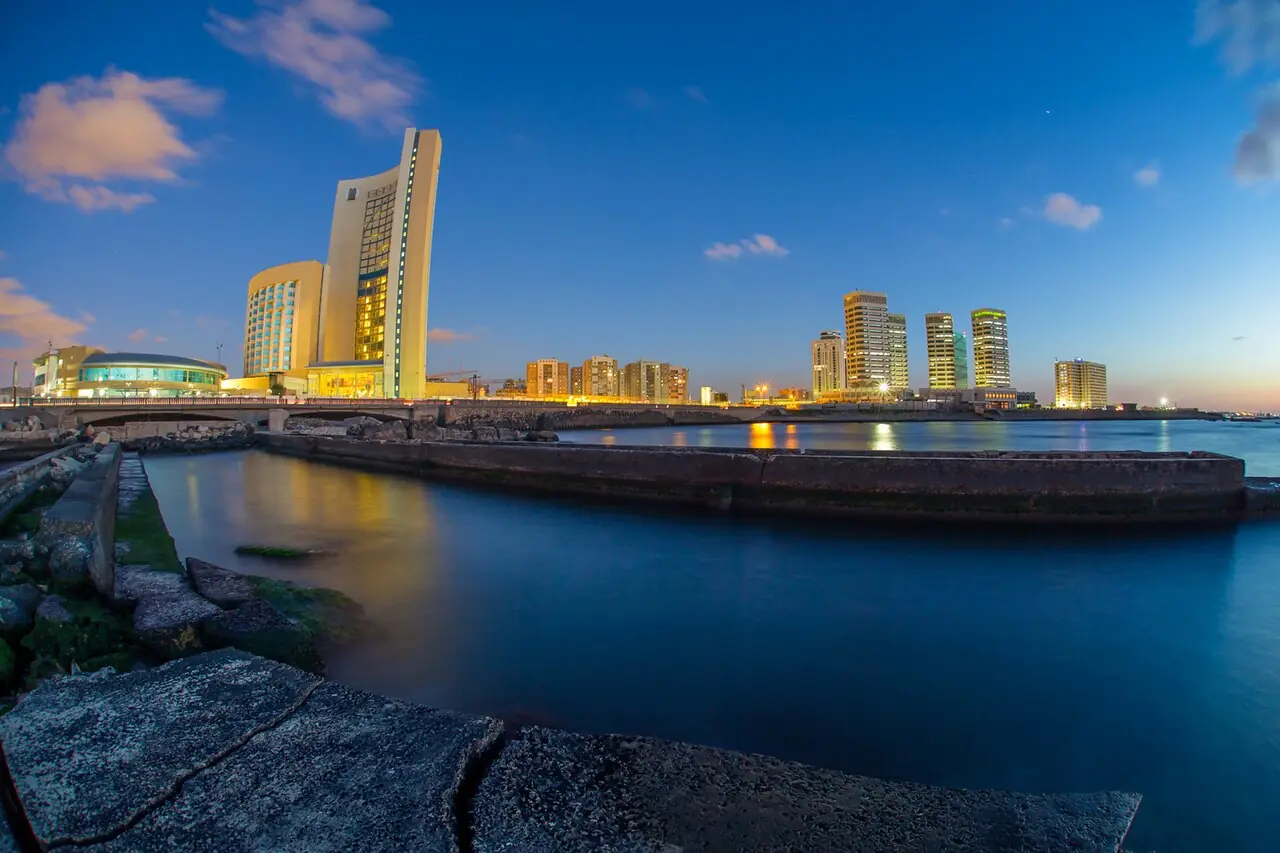 Photo: Sanadalahlafi · CC BY-SA 4.0
Published by Adama Doumbia, founder of Afrique Unie · updated 28 November 2026 · our method and sources
Why visit Tripoli?
Tripoli, the capital of Libya, is heir to ancient Oea, one of the three cities that gave Tripolitania its name. On the shores of the Mediterranean, the city blends an old medina, Italian colonial architecture and modern districts. Let us say straight away that Libya is currently a destination travellers are advised not to visit: the capital has seen armed clashes on several occasions in recent years, and you should strictly follow your government's official travel advice.
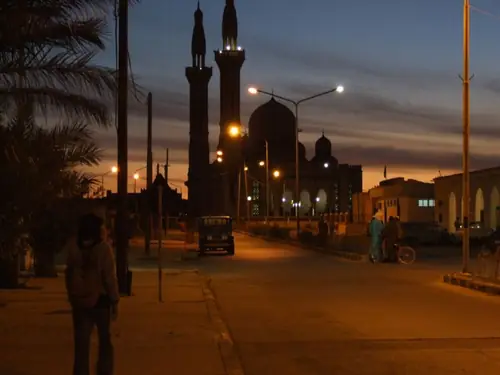
The historic heart is dominated by the Assaraya al-Hamra, the Red Castle, a fortress reworked by the Spanish, the Knights of Malta and the Ottomans, which houses the National Museum. At its foot, the great square known as Martyrs' Square opens onto the medina, with its covered souks, caravanserais, Ottoman mosques such as the Gurgi and Karamanli mosques, and old consular houses.
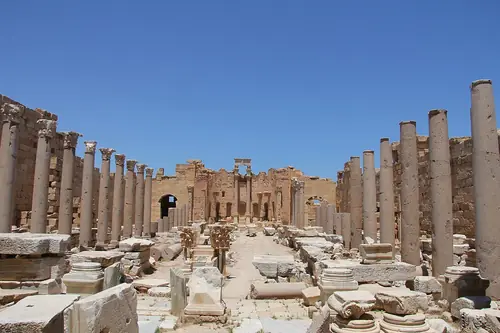
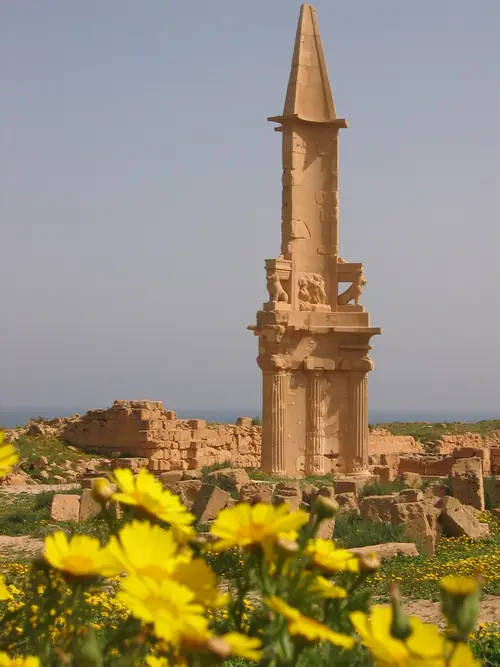
At the end of the medina, near the port, stands the Arch of Marcus Aurelius, erected in the 2nd century, the only Roman monument of ancient Oea still standing. The seafront, the corniche and the streets lined with Italian arcades recall the colonial era. When the situation allows, Tripoli would also be the natural base for reaching Leptis Magna and Sabratha.
Things to do in Tripoli: 6 ideas
- 01The Assaraya al-HamraThe Red Castle and its National Museum, which displayed exceptional collections from Libyan antiquity.
- 02The medinaIts gold, copper and textile souks, its fondouks and its Ottoman mosques formed a very lively whole.
- 03The Arch of Marcus AureliusA four-sided marble arch, a rare Roman relic in the heart of the modern city.
- 04The Gurgi MosqueBuilt in the 19th century, it stands out for its ceramic tiles and marble columns.
- 05The seafrontThe evening stroll along the corniche was one of the great rituals of local life.
- 06The fish soukNear the port, the stalls of fish and seafood reflect the city's Mediterranean life.
Where to stay in Tripoli
Looking ahead to a future trip, hotels used to be found mainly along the seafront and in the modern centre near the medina, as well as in outlying districts to the west and east. The large international hotels catered mostly for business travellers. Today, security conditions vary greatly from one district to another and from one period to the next.
 Libya