AfriqueUnie
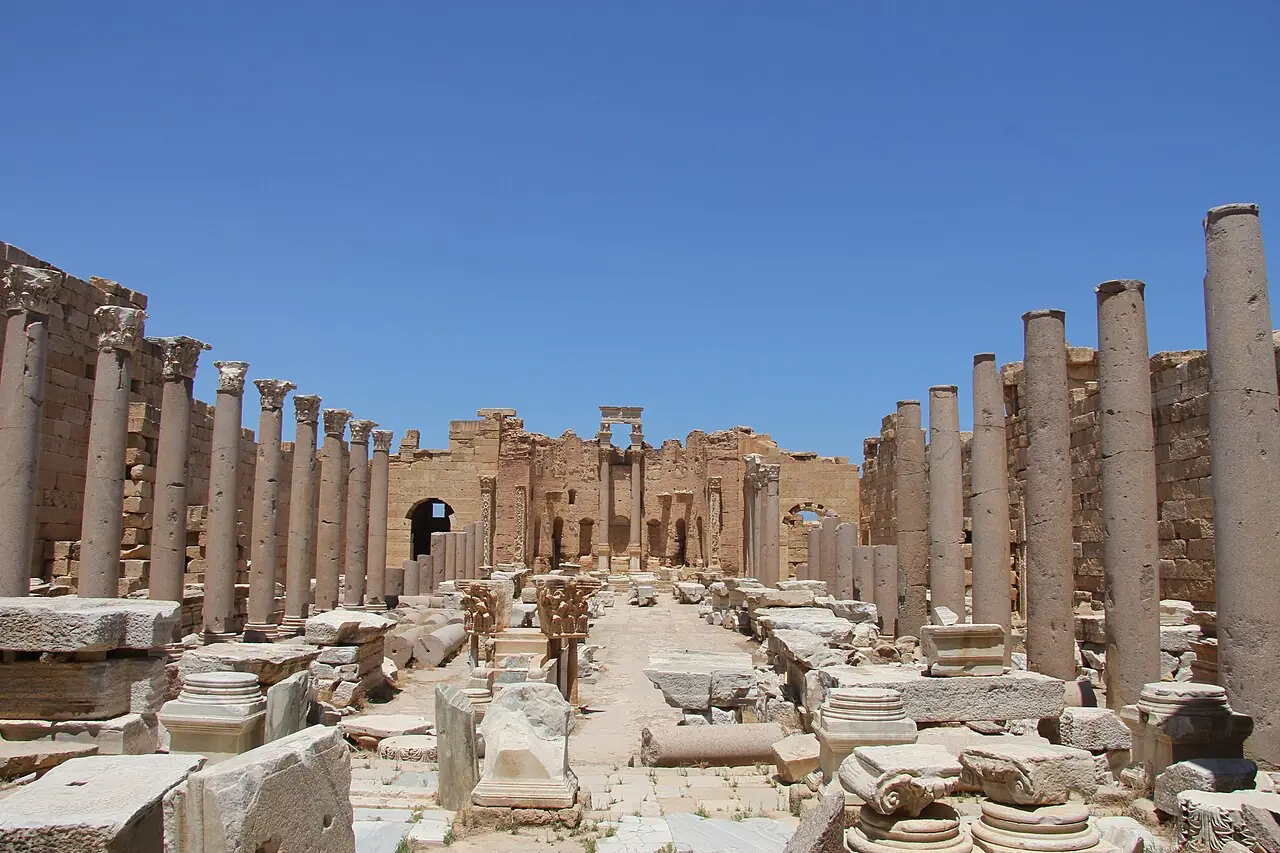 Photo: joepyrek from Richmond, Va, USA · CC BY-SA 2.0
Published by Adama Doumbia, founder of Afrique Unie · updated 28 November 2026 · our method and sources
What the UK and French governments say
Information checked in November 2026. The situation can change very quickly: read the official pages again just before any decision.
The UK Foreign, Commonwealth & Development Office (FCDO) advises against all travel to Libya except Tripoli, Misrata, and Benghazi, Al-Bayda, Derna and the surrounding Jebel Akhdar area, where since July 2026 it advises against all but essential travel. It says UK government support is limited and provided from the British Embassy in Tunis, with no in-person support in Libya, and that anyone going to Tripoli should have robust security arrangements and contingency plans.
The French foreign ministry (page updated on 29 October 2026) advises against all travel to the whole country, including Tripoli, except Misrata, Sirte and Benghazi, where it advises against travel unless strictly necessary. It cites armed groups in many cities, the risk of heavy-weapons clashes including in urban areas, crime and a real risk of kidnapping, and notes that tourist trips sold by agencies are still advised against.
For business trips that are absolutely necessary, the French ministry calls for very robust security measures, including an escort, a security plan drawn up in advance and, where possible, a private security company and trusted Libyan contacts.
Insurance: what official advice changes
The FCDO warns that your travel insurance could be invalidated if you travel against its advice. Most travel insurance policies and card-linked cover exclude countries or areas the authorities advise against. In practice, treatment, evacuation or repatriation might not be paid for.
Before you go, ask your insurer for written confirmation of cover for Libya and the specific cities. For a work trip, the employer should normally arrange suitable cover: specialist high-risk insurance exists, on terms and at prices very different from ordinary travel insurance.
The FCDO also notes that even if your policy includes an air ambulance, the provider may not be allowed to operate in Libya.
Visa and passport: how it works
A visa is required and must be obtained before arrival. The FCDO refers British citizens to the Libyan Embassy in London and says the type of visa depends on the purpose of the trip; the French ministry refers French nationals to the Libyan embassy in Paris.
In 2026 the Government of National Unity introduced electronic visa platforms, including a portal for business visitors and tourists. We could not check this portal or its fees directly: go through the embassy or your employer, and beware of intermediary websites.
The FCDO warns that a Libyan visa issued abroad may not be recognised in some areas or at some ports of entry because of the country's political division. Both governments say passports showing an Israeli visa or stamp are refused.
According to the FCDO, your passport must be valid for the whole stay; your embassy or employer may require more. All short-stay visitors must register with the police within a week of arrival, which the host company usually arranges; otherwise you could be fined when you leave.
On the ground: the constraints reported
- Money: According to the FCDO, bank cards cannot be used at banks, cash machines or hotels, and cash is in short supply. Cash over 10,000 dollars must be declared on entry and exit.
- Exchange: Currency exchange is tightly controlled by the Central Bank; informal exchange carries a risk of arrest. It is illegal to take dinars out of the country.
- Getting around: Roads, land borders and airports can close at short notice. The French ministry rules out travel after dark, even over short distances.
- Low profile: Do not share your location or plans on social media, and never photograph the security forces.
- Accommodation: The French ministry advises staying only in secure hotels.
Health
The US CDC lists no yellow fever vaccination requirement or recommendation for Libya and no malaria risk. Still check your routine vaccines with a doctor at least eight weeks before travel; the FCDO lists leishmaniasis, West Nile virus and schistosomiasis among the risks.
The FCDO says healthcare is generally below UK standards, with acute shortages of skilled staff and medical supplies, particularly for chronic conditions such as diabetes; there are private clinics in Tripoli. The French ministry advises against any surgery in Libya, as blood safety is not guaranteed. Bring enough of your own medication, with the prescription.
Before any trip: who to tell, what to read
- British nationals: Sign up for email alerts on the Libya page of gov.uk/foreign-travel-advice. Consular help comes from the British Embassy in Tunis.
- French nationals: The French ministry strongly recommends registering on Fil d'Ariane (diplomatie.gouv.fr) and telling the French embassy in Tripoli about any trip; consular matters are handled by the French consulate general in Tunis.
- Other nationalities: Check whether your own foreign ministry offers a registration service and what consular help it can give in Libya.
- Employer: For a work trip, a written security plan and contingency arrangements agreed before departure.
- Pages to read: The FCDO Libya page, including Warnings and insurance and Entry requirements, and the Libye page of « Conseils aux voyageurs » on diplomatie.gouv.fr.
- Insurance: Written confirmation of cover for Libya, including treatment and repatriation.