AfriqueUnie
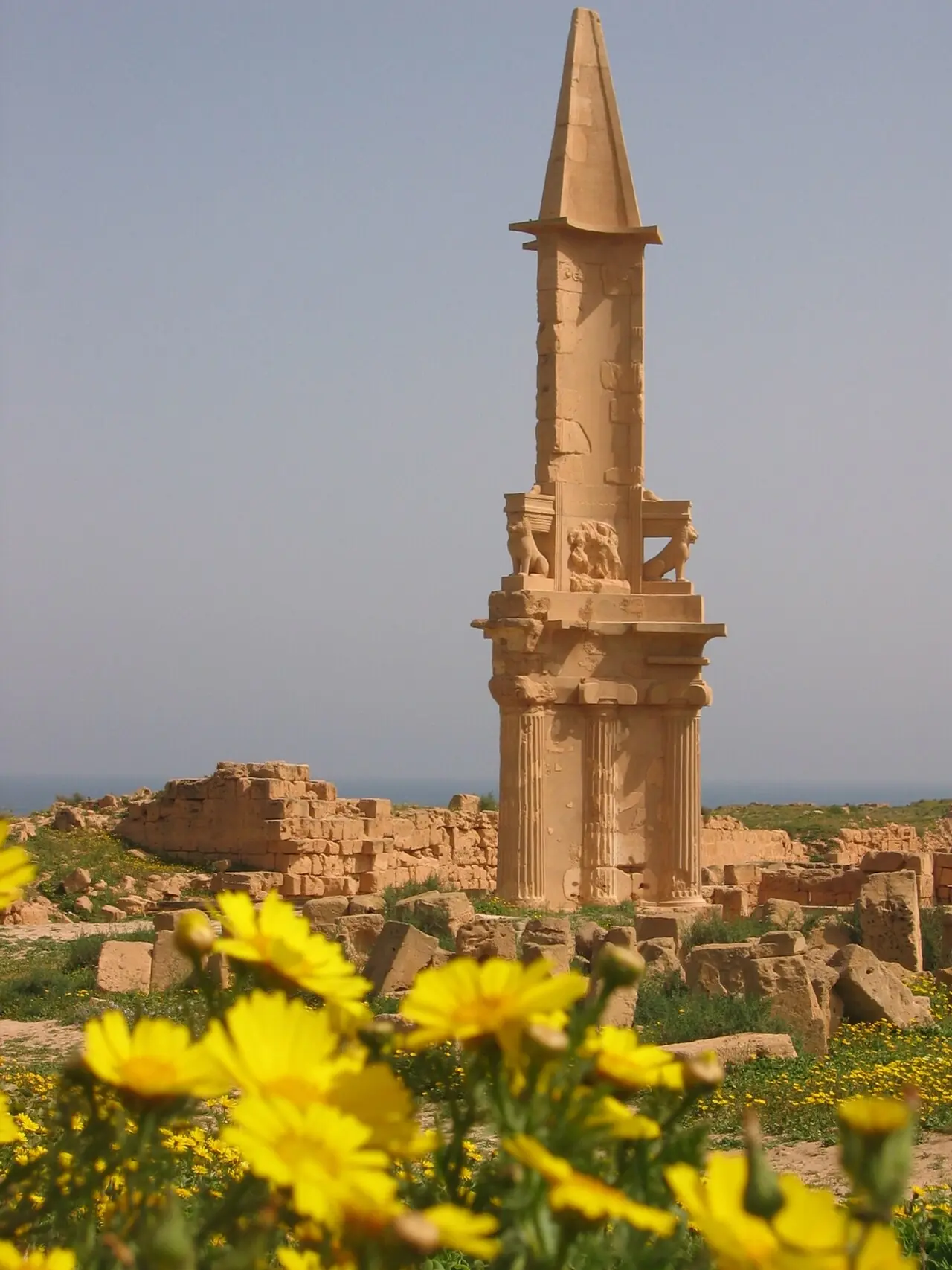 Photo: Auteur inconnu · CC BY-SA 2.5
Published by Adama Doumbia, founder of Afrique Unie · updated 28 November 2026 · our method and sources
Why go
West of Tripoli, towards Tunisia, Sabratha was first a Phoenician trading post and then a Roman city that prospered on trans-Saharan trade. Listed as a UNESCO World Heritage Site in 1982, it has been on the List of World Heritage in Danger since 2016. Its ruins stretch right to the water's edge, a setting of rare beauty.
Its theatre, built at the end of the 2nd century and restored in the 20th, is the most famous monument: a stage wall of three tiers of marble columns, some twenty metres high, counted among the most spectacular in the Roman world, and a pulpitum adorned with carved reliefs. The site also includes temples, a forum, baths decorated with mosaics facing the sea, and the Punic mausoleum, which bears witness to the city's pre-Roman heritage.
Getting there
Libya is currently a destination travellers are advised not to visit: do not plan any trip without checking your government's official travel advice. When the situation allows, Sabratha would be reached from Tripoli in about an hour's drive to the west. The site has two museums, one devoted to Roman antiquities and the other to Punic remains.
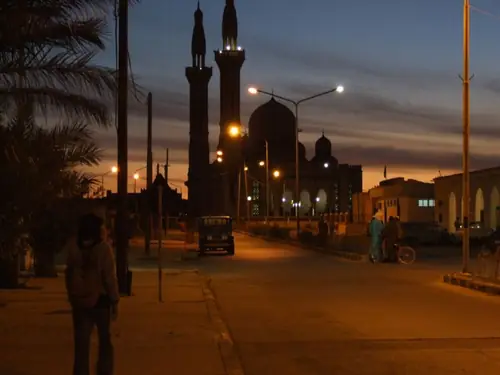
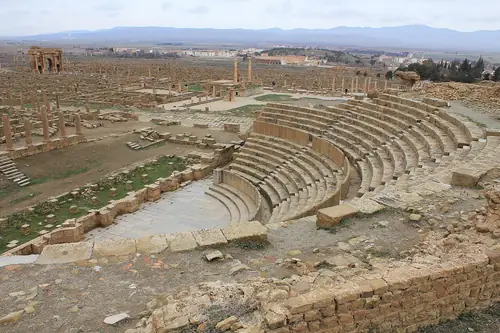
 Algeria
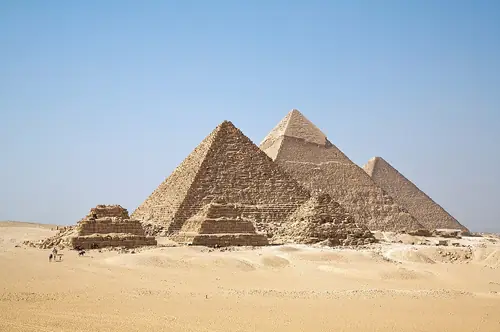
 Egypt