 AfriqueUnie
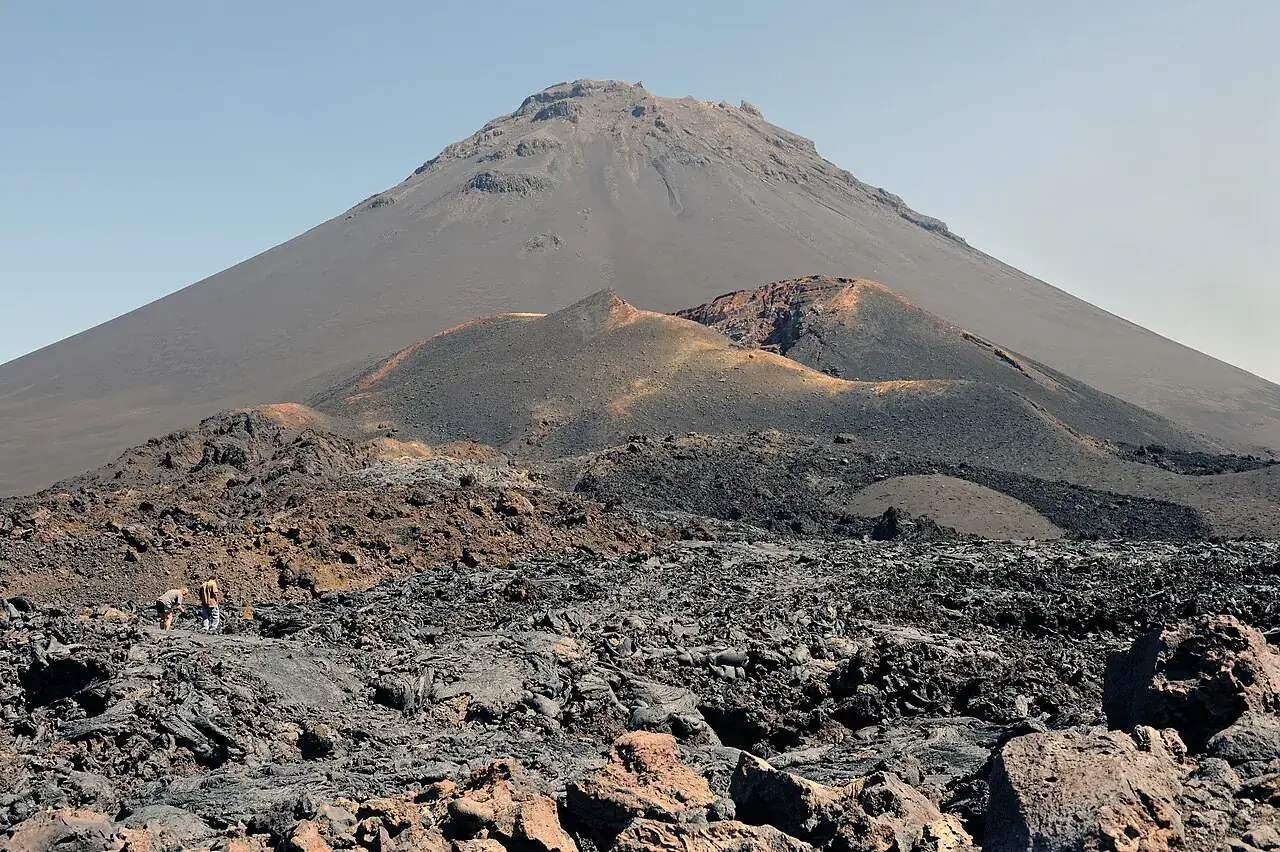 Photo: Cayambe · CC BY-SA 3.0
- Our verdict
- Peak season: ideal
- Afternoon in Praia
- 27 °C
- Night
- 20 °C
- Rain
- almost none
- The country's best time
- November to June
What to expect in Cape Verde in January
January is dry and sunny across the archipelago: it almost never rains, and Praia sees nearly 27 °C in the afternoon and 20 °C at night. The north-east trade wind blows hard, especially on Sal, Boa Vista and in Mindelo, where evenings are cool. At altitude, on Santo Antão or the slopes of the Fogo volcano, mornings are cold. At times the 'bruma seca', a dust haze from the Sahara, veils the sky.
This is peak season: Europeans come for winter sun in Santa Maria and on the beaches of Boa Vista, though the archipelago is never overrun. The sea, around 23 °C, is cool and often rough; you can swim, but it is not the tropical lagoon some people imagine. January is perfect for walkers and board-sports fans; those who feel the cold and families with young swimmers will prefer autumn.
What to do in Cape Verde in January
Kitesurfing and windsurfing on Sal
Winter is the great wind season: from November to March the trade wind blows almost every day on Sal and Boa Vista. Around Santa Maria the spots draw experienced riders and beginners alike; go through a school, as sea rescue resources are limited.
Hiking on Santo Antão
Dry weather and cool mountain air make January an ideal month for walking the terraced valleys and old mule tracks of Santo Antão. The crops are still green after the autumn rains; bring a warm jacket for the windswept ridges.
Mindelo before carnival
In Mindelo the groups are rehearsing and the workshops are preparing floats and costumes: carnival takes place from 7 to 9 February 2027, with the main parade on Shrove Tuesday, 9 February. In January the atmosphere is already building in the city's streets and music bars.
The Fogo volcano in the cool
The long, steep climb up the Fogo volcano is far easier in winter than in summer. Set off at dawn with a local guide and in good physical shape: rescue services are far away. At the summit the wind is icy; gloves and a windbreaker are useful.
Our tips for this month
Bring a windbreaker, a jumper for the evenings and, for the mountains, a properly warm jacket. Sunglasses and a scarf protect against sand and dust. The dry haze can delay domestic flights, particularly on Boa Vista: keep a spare day before your return. Swim on lifeguarded beaches and obey the flags, as currents and waves are powerful. Book domestic flights and accommodation early.
Frequently asked questions
Is it hot in Cape Verde in January?
It is mild rather than hot: about 26 to 27 °C in the afternoon and 20 °C at night in Praia, with a steady wind that cools the air. Evenings and higher ground call for a jumper.
Can you swim in Cape Verde in January?
Yes, but the water is cool, around 23 °C, and the ocean is often stirred up by the trade wind. Choose lifeguarded beaches, as in Santa Maria, and obey the flags: currents are strong.
Does it rain in Cape Verde in January?
Almost never: January is in the middle of the dry season and the Praia station records less than one millimetre of rain. The only weather hazard is the Saharan dust haze, which sometimes dulls the sky.
Temperatures and rainfall: averages measured in Praia (climate table of the Wikipedia article “Praia”). The climate varies by region, and any given year can differ from the averages.
Plan
Go further
Guides