A volcanic archipelago off the coast of Senegal: endless beaches on Sal and Boa Vista, breathtaking hikes on Santo Antão, the Fogo volcano and the music of Cesária Évora in Mindelo.
In Cape Verde they say everything comes down to one word, morabeza: a way of welcoming people without fuss, making room at the table, taking time for a chat on the doorstep. The word sums up the archipelago well: ten volcanic islands flung into the Atlantic a few hundred kilometres off the Senegalese coast, each with its own character, terrain and accent. The country is stable, safe and easy to get around, which makes it an excellent gateway to Portuguese-speaking Africa.
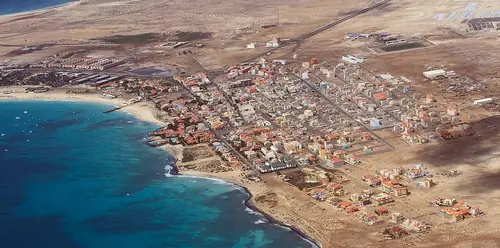
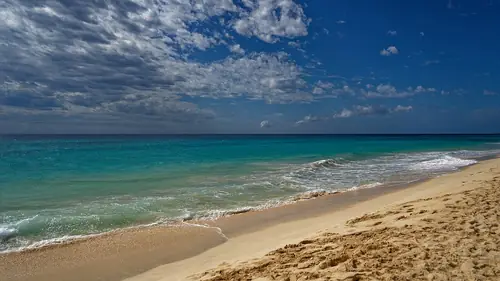
The variety of landscapes is a surprise. Sal and Boa Vista, flat and desert-like, line up vast beaches of golden sand, dunes and turquoise water that draw kitesurfers and sun-seekers alike. Santo Antão, by contrast, is a vertical island: deep valleys, terraces of sugar cane, villages clinging to ridges and paths carved into the cliffs. Fogo is a volcano rising straight out of the ocean, its caldera home to vineyards and villages. Santiago, the largest island, holds the capital, Praia, and Cidade Velha, the country's historic cradle.
And then there is the music, which is everywhere. Morna, gentle and melancholy, made famous the world over by Cesária Évora, has been inscribed on UNESCO's intangible heritage list; funaná, upbeat and driven by the accordion, gets Santiago dancing, while coladeira livens up the bars of Mindelo. An evening in a small venue where a guitarist and a violinist improvise is often what travellers remember most. Cape Verde suits a week on the beach just as well as a long island-hopping itinerary, provided you accept the whims of the ferry services.
History and culture
Uninhabited when Portuguese navigators arrived around 1460, the islands were settled by European colonists and by enslaved Africans brought from the Guinea coast. Ribeira Grande, today's Cidade Velha, became a hub of the Atlantic slave trade and one of the first European towns in the tropics. From this forced mingling came a mixed-heritage society and a language, Cape Verdean Creole, which everyone speaks today. Repeated droughts caused deadly famines and mass emigration to the United States, Portugal, France and the Netherlands.
In the 20th century, Amílcar Cabral, who had Cape Verdean roots, united the struggle of Cape Verde with that of Guinea-Bissau within the PAIGC. Independence was declared on 5 July 1975. After a one-party period, the country adopted multiparty politics in 1991 and has since been cited as one of Africa's most solid democracies, with peaceful transfers of power. The diaspora, larger than the population of the archipelago itself, remains a vital link with the wider world.
8 experiences not to miss in Cape Verde
Photo : Cayambe · CC BY-SA 3.001Climb Pico do FogoSet off before dawn from Chã das Caldeiras to reach the summit of the volcano, then run back down the ash slopes.
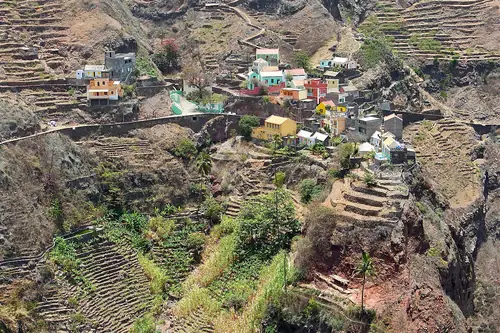
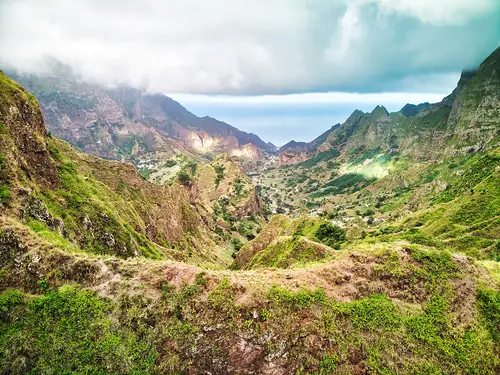
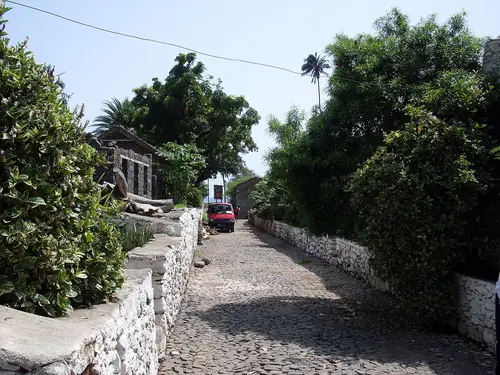
Photo : Zinneke · CC BY-SA 3.002Walk from Ponta do Sol to FontainhasOn Santo Antão, follow the coastal path to this village perched on a ridge, one of the most photogenic in the archipelago.
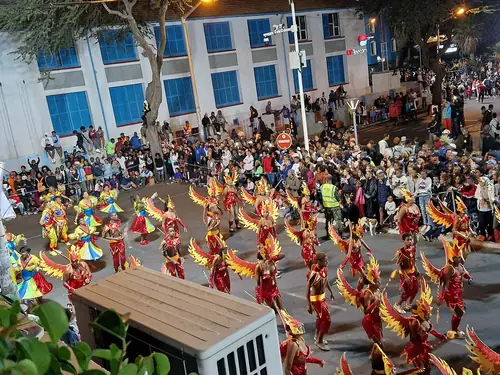
Photo : Hanay · CC BY-SA 3.003Dance at the Mindelo carnivalIn February or March, follow the costumed troupes and floats through the streets of São Vicente's cultural capital.
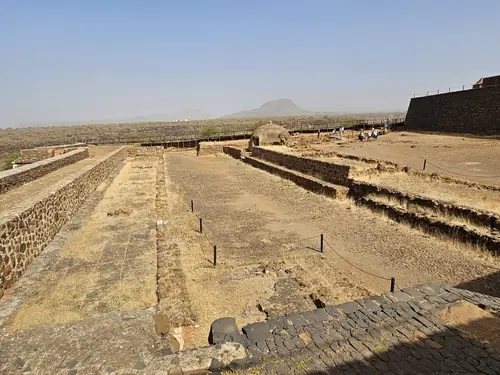
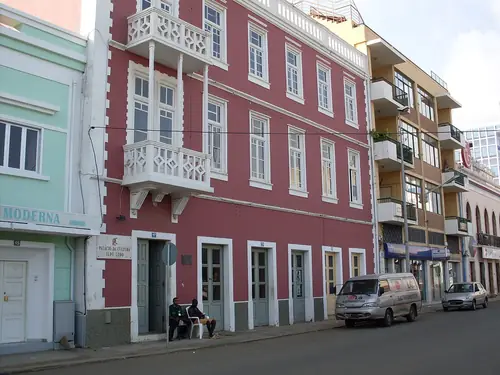
Photo : GualdimG · CC BY-SA 4.004Trace history in Cidade VelhaVisit the pillory, the ruins of the cathedral and the Fortaleza Real de São Filipe in the first colonial town in the tropics.
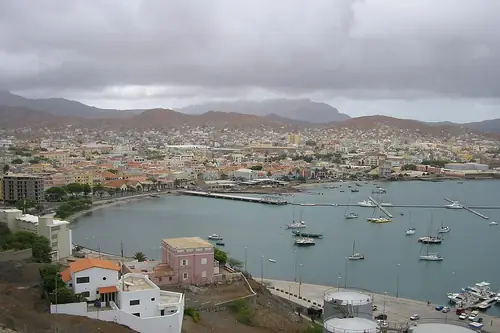
Photo : Manuel de Sousa · CC BY-SA 3.005Listen to morna in MindeloSpend an evening in a live-music bar to hear Cesária Évora's songs performed by local musicians.
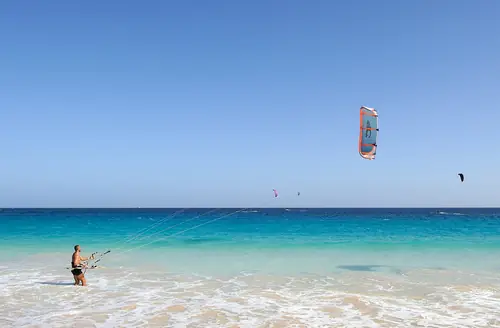
Photo : Cayambe · CC BY-SA 3.006Kitesurf on SalMake the most of the steady trade winds at Kite Beach or in the bay of Santa Maria, ideal for learning.
07Watch turtles on Boa VistaIn summer, join a supervised night outing to see loggerhead turtles coming ashore to lay their eggs.
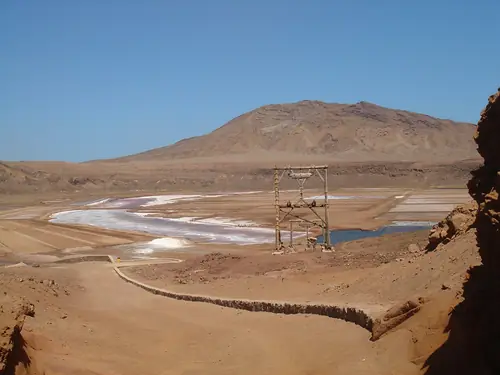
Photo : Juan Caparrós · CC BY-SA 4.008Float at Pedra de LumeBathe in the salt pans laid out at the bottom of an old crater, where you float effortlessly in extremely salty water.
When to go to Cape Verde
Cape Verde can be visited almost all year round thanks to a dry climate tempered by the trade winds. From November to June, temperatures are pleasant, around twenty-five degrees, the skies are clear and the wind blows hard: it's the best season for hiking and kitesurfing. Between December and February, evenings can be cool at altitude, notably on Fogo and Santo Antão. August to October brings a short, irregular rainy season that turns the valleys green but can bring brief, intense downpours. It is also turtle-nesting time and the sea is warmer. In winter, the harmattan can sometimes bring a haze of dust.
Getting around
Several islands have international airports: Sal, Boa Vista, Santiago and São Vicente receive direct flights from Europe, notably from Lisbon. Between the islands, domestic flights link the main ones, while ferries run the sea crossings, with timetables sometimes altered depending on the sea. Build in some slack so you don't miss your flight home. Santo Antão has no airport with regular service: you reach it by ferry from Mindelo in about an hour. On each island, aluguers (shared minibuses) connect towns and villages for modest fares; they leave when they're full. Taxis are plentiful in Praia, Mindelo and Santa Maria. Renting a car is possible, but the mountain roads call for caution.
Etiquette and customs
Cape Verdeans are welcoming and relaxed but value courtesy: a “bom dia” (good morning) before any request is essential. Creole is the language of everyday life and Portuguese that of officialdom; a few words of either are always appreciated, and French is often understood. The pace is unhurried: people readily say “devagar”, slowly, and getting impatient would go down badly. Away from the beaches, dress respectably, especially in churches and villages. Families are closely tied to the diaspora, and you'll often hear about a cousin in Lisbon or Boston. Ask before taking photos, especially of older people.
Food and drink in Cape Verde
Cachupa is the national dish: a slow-simmered stew of maize, beans and vegetables, enriched with fish, sausage or pork in the rica version. The next day, the leftovers become cachupa refogada, fried in a pan with an egg for breakfast. Grilled fish, tuna, wahoo or grouper, is everywhere on the coast, as are lobster and octopus. On Fogo, you drink a local wine from the caldera's vineyards; on Santo Antão, they distil grogue, a sugar-cane spirit, which is also enjoyed as ponche, softened with honey. Fresh goat's cheese served with papaya jam makes a lovely end to a meal.
The best time to visit Cape Verde: November to June.
What should I see first in Cape Verde?
The must-sees: Fogo volcano, Santo Antão, Boa Vista beaches, Cidade Velha.
Which cities should I visit in Cape Verde?
Praia, Mindelo, Santa Maria. The capital is Praia.
How much should I budget for a trip to Cape Verde?
Mid-range: around €60–120 per person per day, excluding flights. This is only a guide and depends above all on the accommodation and activities you choose.
What currency and languages are used in Cape Verde?
The main international airport has the code SID. Compare flights with the ‘Flights’ button on this page.
Do I need a visa to visit Cape Verde?
Entry requirements depend on your nationality and change regularly. Check them on the country's official website or with your foreign ministry before booking, and make sure your passport is valid.
What should I eat in Cape Verde?
Dishes to try while you're there: Cachupa, grilled fish, grogue.
Inter-island flights are operated by Cabo Verde Airlines, with sometimes uneven reliability, so leave a buffer, especially before an international flight. Ferries link several islands, notably São Vicente (Mindelo) and Santo Antão (Porto Novo) several times a day, while less frequent CV Interilhas routes serve Santiago, Fogo and Brava. On each island, aluguers, shared minibuses or pick-ups, connect villages from the markets. Cars are easy to rent on Sal, Boa Vista and Santiago, but on Santo Antão a driver makes the mountain roads more pleasant; driving is on the right.
Health and safety
Yellow fever
Certificate required only if you arrive from, or transited through, a country with a risk of yellow fever (from 1 year, incl. airport transits over 12 h); vaccine generally not recommended.
Malaria
No transmission reported.
Water and food
Unless your accommodation says otherwise, drink sealed bottled or filtered water, and wash your hands often.
Sources: France Diplomatie, Viaggiare Sicuri, Belgian Foreign Affairs, GOV.UK, checked in November 2026. All 54 countries
Entry requirements (visas, vaccinations) and security conditions change regularly: check them with the official authorities before booking. Official tourism website: Instituto do Turismo de Cabo Verde.
Affiliate cookiesWe would like to load a script from our partner Travelpayouts. It may set cookies so that we receive a commission when you book through our links, at no extra cost to you. If you decline, the site works in exactly the same way. Find out more
 AfriqueUnie
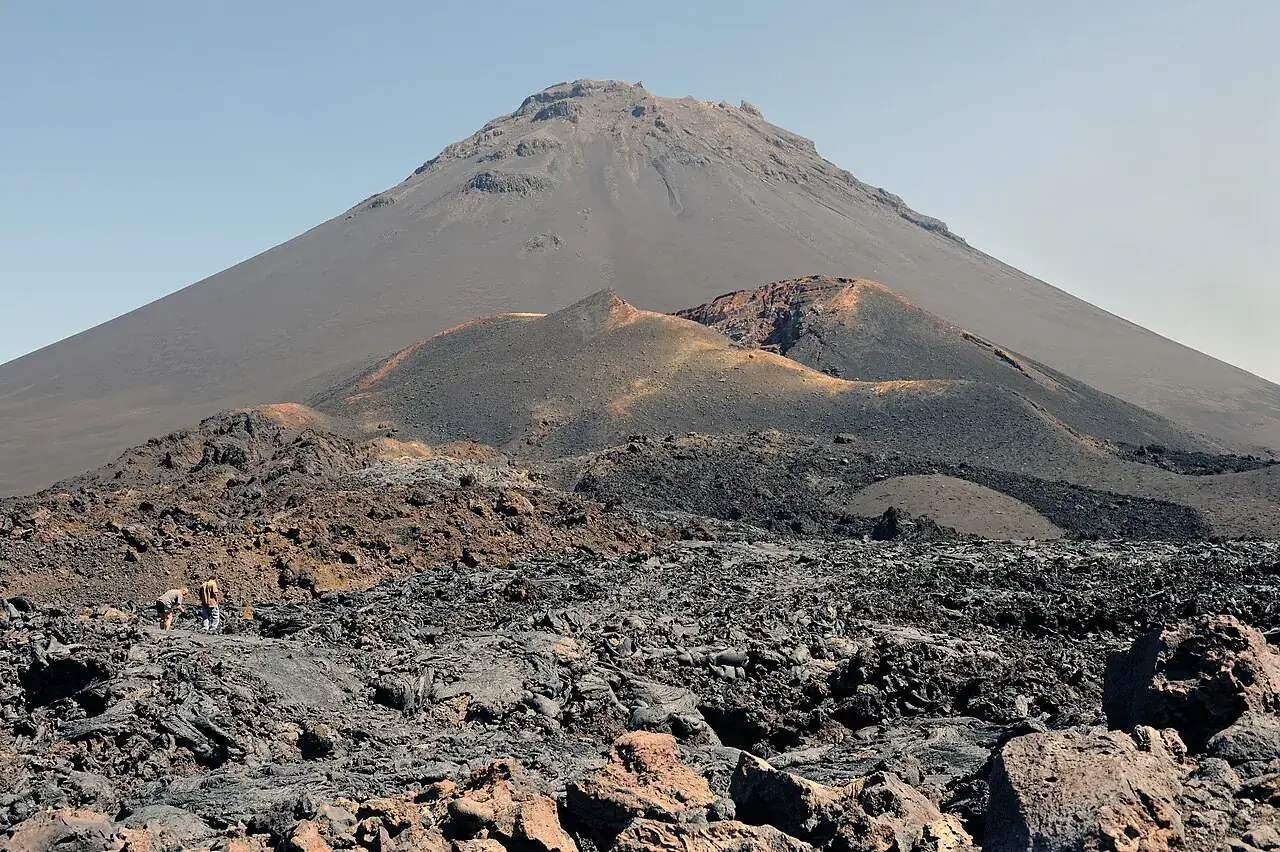 Photo: Cayambe · CC BY-SA 3.0
 Cape Verde


 Benin
 Burkina Faso
 Côte d'Ivoire
 Ghana
 Guinea
 Guinea-Bissau
 Liberia
 Mali
 Mauritania
 Niger
 Nigeria
 Sierra Leone
 The Gambia
 Togo