AfriqueUnie
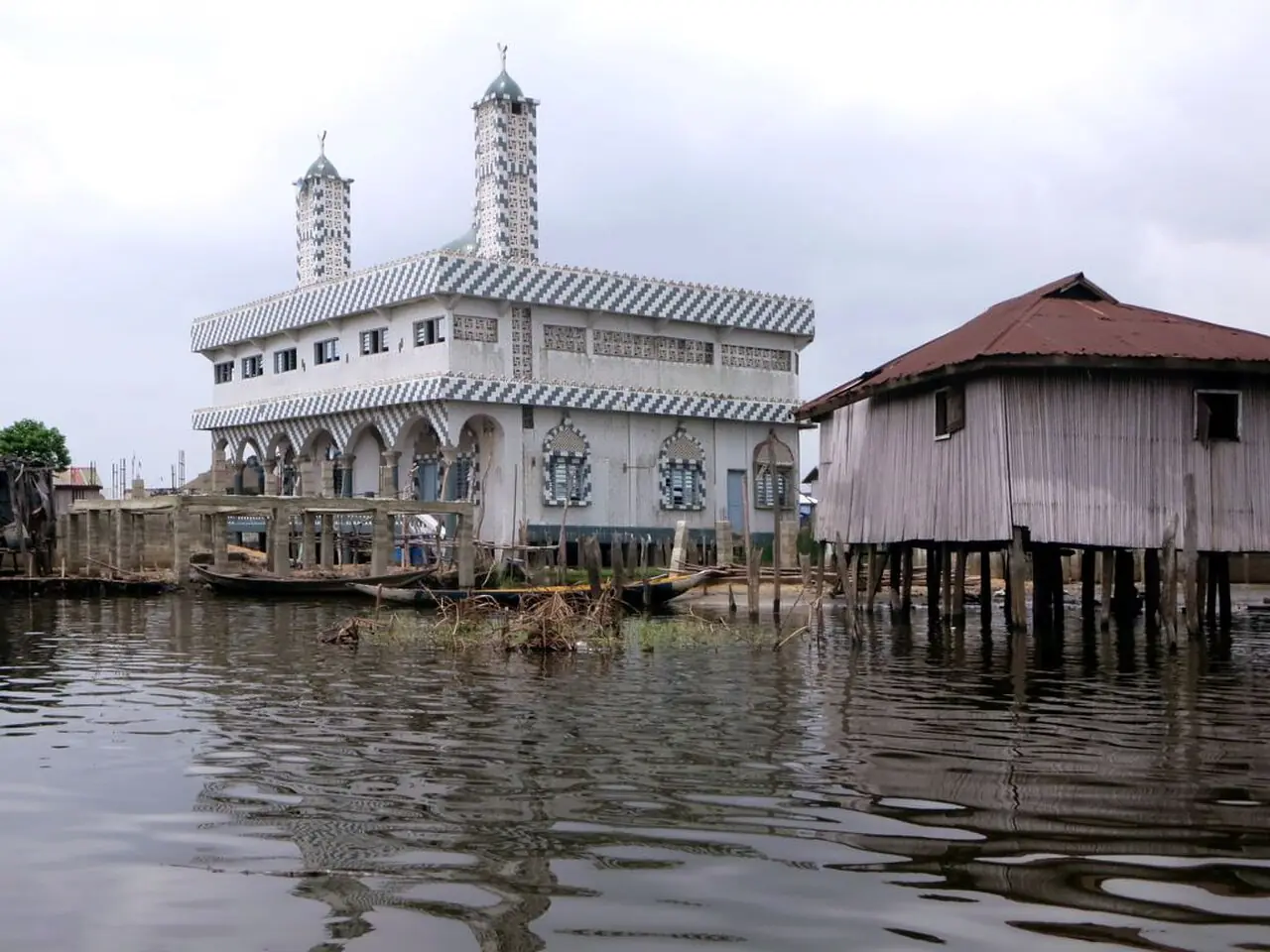 Photo: David Stanley from Nanaimo, Canada · CC BY 2.0
Published by Adama Doumbia, founder of Afrique Unie · updated 28 November 2026 · our method and sources
January is one of the most pleasant months to travel across much of Africa. In the north, winter days stay mild along the Mediterranean coast and in the Nile Valley, but nights are cool and can be cold in the desert and the mountains. In West Africa the dry season is in full swing: clear skies, passable tracks and manageable heat, although the harmattan, a dry, dusty wind blowing in from the Sahara, sometimes hazes the horizon and dries the throat. In southern Morocco it is a good season for desert camps, with clear days and star-filled skies.
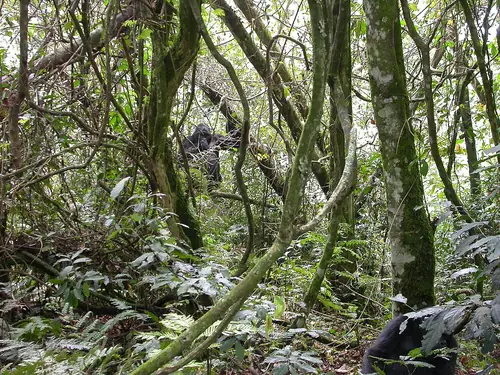
In East Africa, January and February form a short dry season between two rainy seasons. It is a good time for safaris in Kenya and Tanzania, where wildebeest usually give birth in the southern Serengeti between late January and February, and for tracking gorillas in Rwanda or Uganda. Further south it is the southern summer: Cape Town enjoys long, dry, sunny days, while the interior of southern Africa, Mozambique and Madagascar are in the middle of the rainy season, with a risk of cyclones in the Indian Ocean.
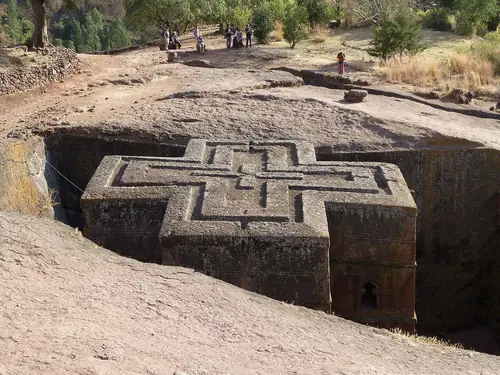
The cultural calendar is busy. Around 10 January, the Vodun Festival brings worshippers and visitors together on the beach at Ouidah, in Benin. Around 19 January, Timkat, the Orthodox Epiphany, fills Gondar and Lalibela in Ethiopia with processions dressed in white. Once the end-of-year holidays are over, many destinations grow quieter, which makes the second half of the month a good window for a calmer trip. For Timkat, accommodation in Gondar and Lalibela fills up quickly, so book early if the situation allows travel.
 Benin
 Ethiopia
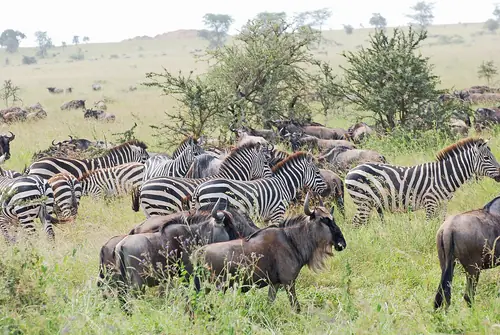
 Tanzania

 South Africa
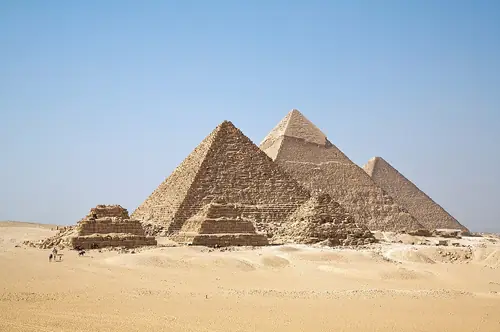
 Egypt
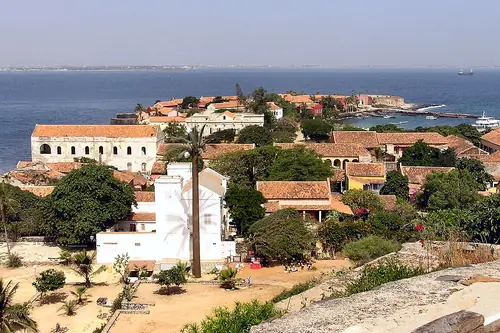
 Senegal
 Madagascar
 Mozambique