 AfriqueUnie
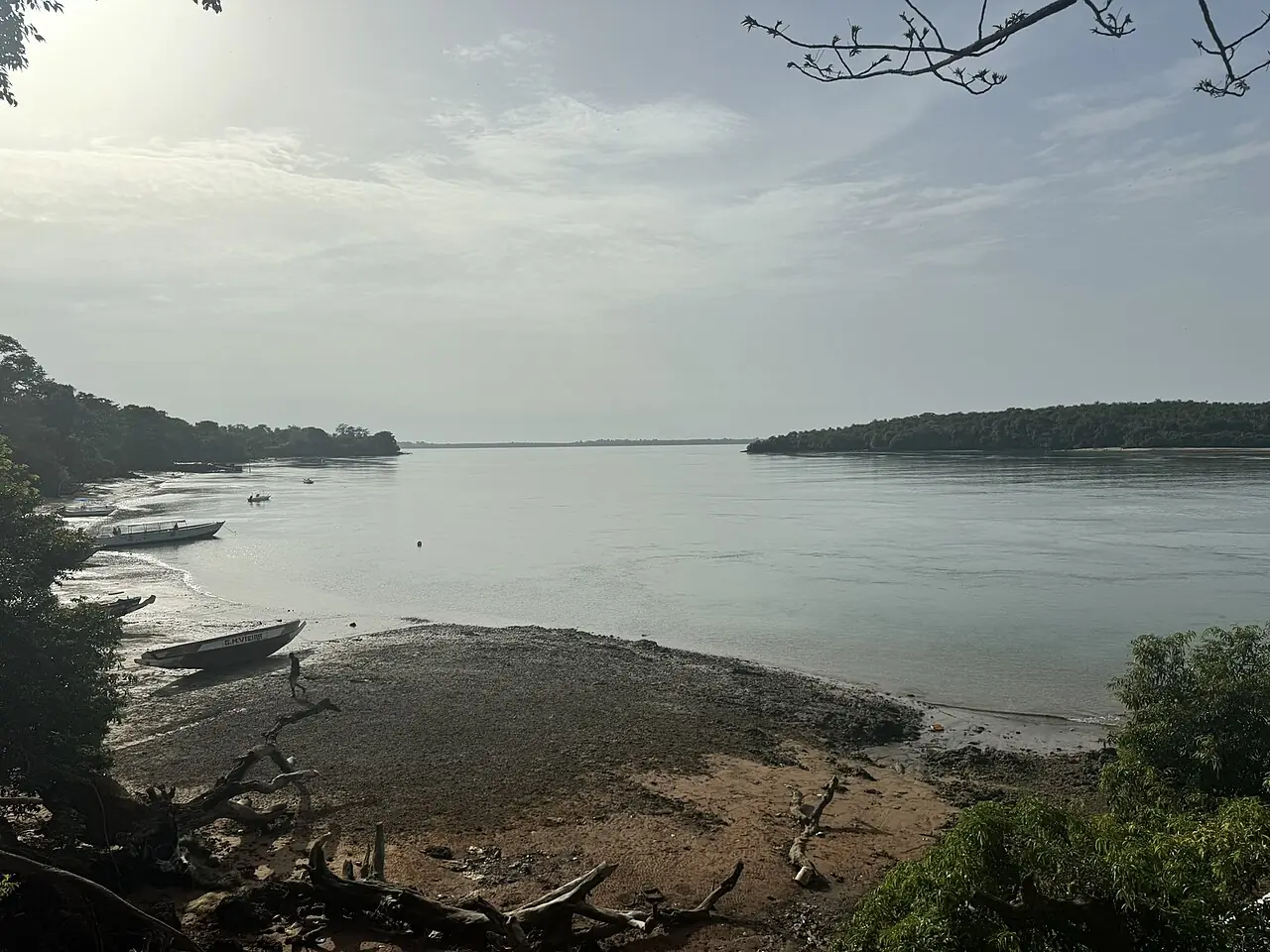 Photo: Mooonswimmer · CC BY-SA 4.0
Africa's coasts include some of the world's most important nesting sites for sea turtles. Green, loggerhead, leatherback, hawksbill and olive ridley turtles come ashore at night to lay their eggs, and the hatchlings head for the ocean about two months later.
The Bijagós Archipelago in Guinea-Bissau holds Africa's largest green turtle rookery. Cape Verde hosts one of the world's largest loggerhead populations, and on Mohéli in the Comoros green turtles nest all year round. In the Gulf of Guinea, Bioko, Gabon and São Tomé and Príncipe welcome several species, including the leatherback, the largest of all.
Where to see them
- 1
Bissagos Islands ·
 Guinea-Bissau
Poilão islet, in a marine national park, is Africa's largest green turtle rookery; access is tightly controlled, but other islands in the archipelago also host nesting.
- 2
Boa Vista beaches ·
 Cape Verde
 hosts the world's third-largest loggerhead nesting population, much of it on Boa Vista; guided night walks run in season.
- 3
Mohéli Marine Park ·
 Comoros
On the beaches of Itsamia, one of the Indian Ocean's largest green turtle nesting sites, you can watch nesting almost every night.
- 4
Ureca beaches ·
 Equatorial Guinea
The beaches of southern Bioko, monitored for more than twenty years by conservation programmes, host green, leatherback, hawksbill and olive ridley turtles.
- 5
Pointe Denis ·
 Gabon
The beaches of nearby Pongara National Park are among the most important leatherback nesting sites on the Gabonese coast.
- 6
Praia Banana (Príncipe) ·
 São Tomé and Príncipe
Príncipe hosts green and hawksbill turtle nesting, monitored by local programmes that involve former hunters in their protection.
- 7
Ilhéu das Rolas ·
São Tomé and PríncipeSouth of São Tomé, this islet on the equator faces the nesting beaches of the island's south, such as Praia Jalé, where you can watch turtles and hatchlings with local guides.
When to go
Nesting seasons vary by coast. In Cape Verde and the Bijagós, they run from June to October or November, peaking in August and September. In the Gulf of Guinea (Gabon, Bioko, São Tomé and Príncipe), nesting mainly takes place from November to February or March. On Mohéli, green turtles nest all year. Hatching follows about two months after laying.
Our tips
- Watch nesting with a guide or a local conservation group, in a small group and in silence.
- No white torches or flash: use red light only, and only when the guide allows it.
- Stay behind the turtle, a few metres away, and never touch it; never block hatchlings on their way to the sea.
- Leave no litter on the beach, avoid fires and do not dig holes in the sand at night.
- Never buy tortoiseshell items, turtle eggs or turtle meat: all species are protected.
Frequently asked questions
Where can you see sea turtles nesting in Africa?
The best places are the Bijagós Archipelago (Guinea-Bissau), Boa Vista (Cape Verde), Mohéli (Comoros), the Ureca beaches on Bioko Island (Equatorial Guinea), the beaches near Pointe-Denis (Gabon) and São Tomé and Príncipe.
When can you see turtles in Cape Verde?
Loggerheads nest from June to October, peaking in August, especially on Boa Vista, and hatchlings keep emerging until around November.
Where can you see leatherback turtles in Africa?
On Gabon's beaches, notably near Pointe-Denis and in Loango, and on the beaches of southern Bioko, from November to February.
Can you see sea turtles all year round?
Yes, on Mohéli in the Comoros, where green turtles nest all year on the beaches of Itsamia.