 AfriqueUnie
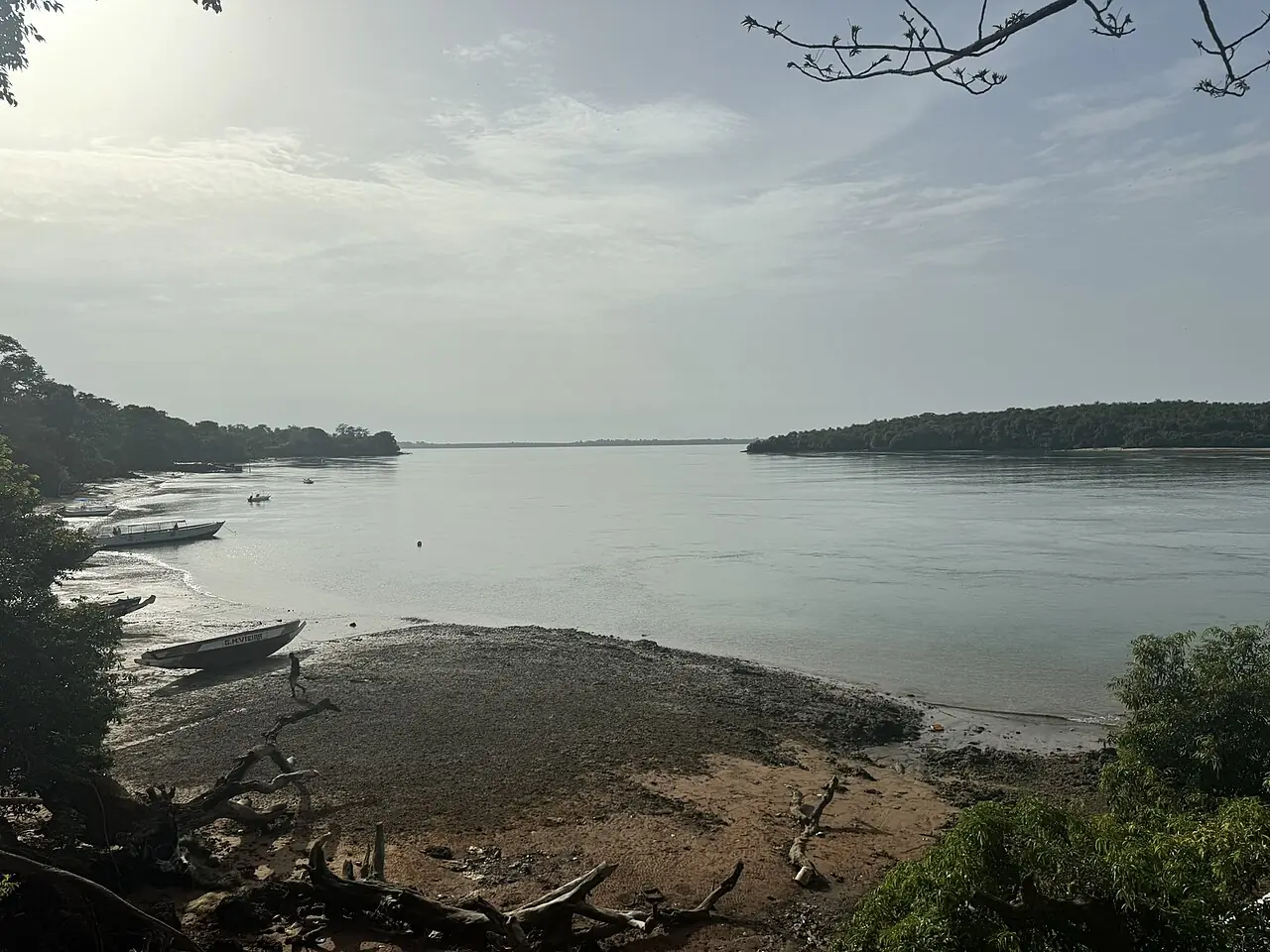 Photo: Mooonswimmer · CC BY-SA 4.0
Published by Adama Doumbia, founder of Afrique Unie · updated 28 November 2026 · our method and sources
Why go
Off the coast of Bissau, eighty-eight islands and islets make up one of the most singular archipelagos on the continent, a UNESCO biosphere reserve and, since 2025, a World Heritage site. Only twenty or so are permanently inhabited; the others serve as farmland, seasonal fishing grounds or sacred spaces reserved for initiation rites. The mudflats, mangroves and sandbanks form a vital ecosystem for green turtles, manatees, dolphins and hundreds of thousands of migratory birds.
Bijagó culture is as fascinating as the nature. Women play a central role in religious and family life, and history remembers Queen Okinka Pampa, who ruled Orango at the beginning of the 20th century. Dances with bull masks, thatched huts, priestesses and ceremonies: island life follows ancient rules that should be respected.
Getting there
From the port of Bissau, a scheduled boat reaches Bubaque, the main island, in several hours depending on the tides and the vessel. From there, motorised pirogues serve the other islands, either chartered or shared. Some eco-lodges arrange the transfer from Bissau themselves, which greatly simplifies the logistics.
Frequently asked questions
How do you get to the Bijagós Islands from Bissau?
A scheduled boat links Bissau with Bubaque, usually taking three to five hours depending on the tides and the vessel. Departures are infrequent and schedules often change or are cancelled in rough seas, so check them at the port. The simplest option is often a transfer arranged by your accommodation.
When can you see sea turtles in the Bijagós?
Green turtles nest mainly during the rainy season, peaking in August and September, chiefly on Poilão Island, one of the largest nesting sites in the Atlantic. This sacred island lies within a marine park and access is strictly controlled. Ask your accommodation and the park managers about permitted visits.
Can you see the hippos of Orango?
Yes, Orango National Park is known for its hippos, which live in lagoons and venture down to the sea. They are observed on guided outings from the island's camps, keeping a safe distance. Sightings are not guaranteed and require patience.
What is the best time to visit the Bijagós?
From November to April, during the dry season, when the sea is calmer and crossings safer. The rainy season, from roughly June to October, brings rougher seas and some crossings are cancelled, but it is the turtle nesting season. Allow at least four or five days to reach islands beyond Bubaque.
What precautions should you take in the Bijagós?
Bring cash, malaria protection and a first-aid kit, as medical services are very limited and electricity scarce. In a pirogue, wear a life jacket and avoid crossings in bad weather. Respect sacred sites and always ask permission before photographing people or entering a village.
 Cape Verde
 Côte d'Ivoire
 Guinea
 Sierra Leone