 AfriqueUnie
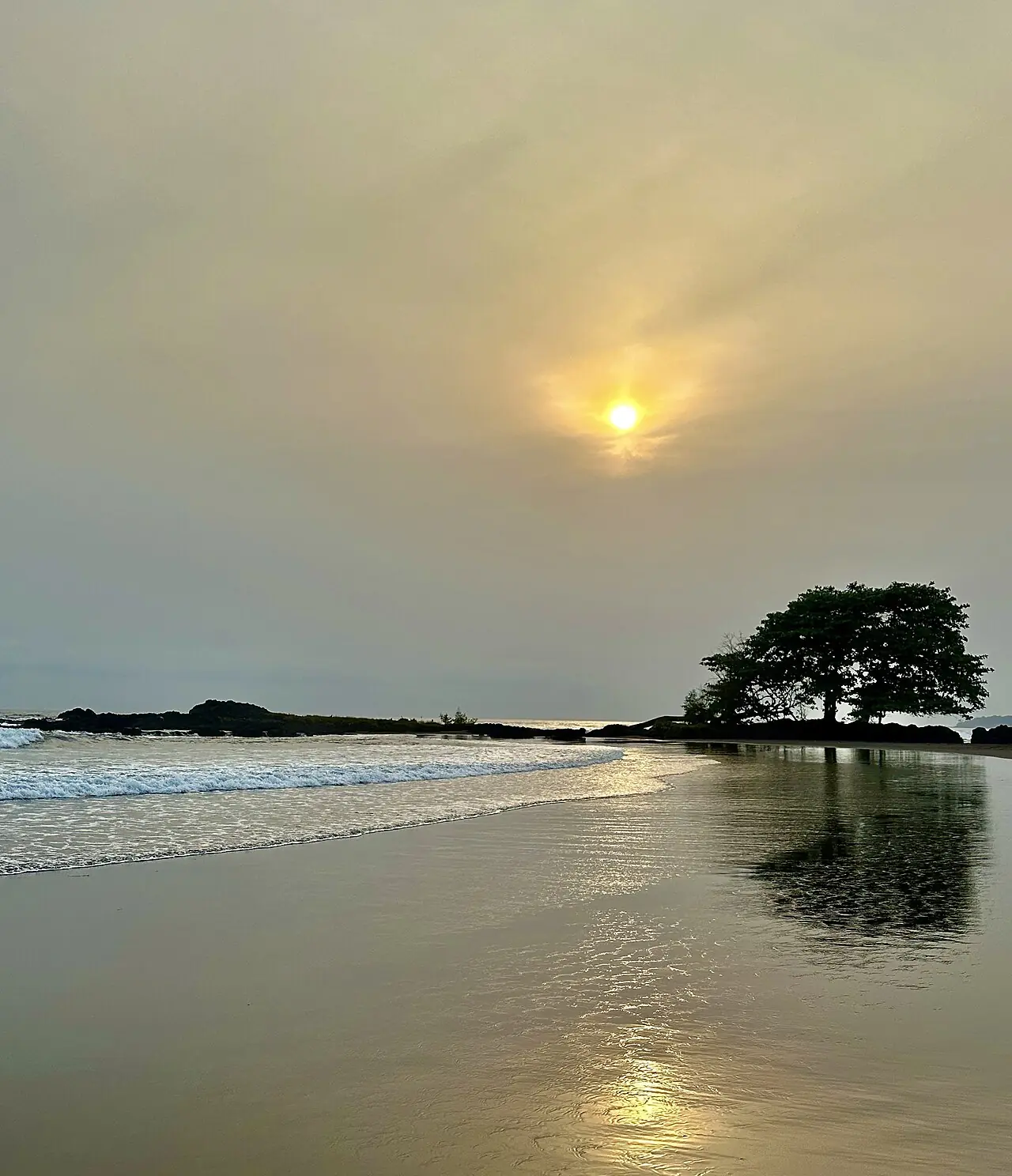 Photo: Francesca Calisti · CC BY-SA 4.0
Published by Adama Doumbia, founder of Afrique Unie · updated 28 November 2026 · our method and sources
Why go
On the southern coast of Bioko island, the village of Ureca nestles between forest and ocean, in one of the wettest regions in Africa. Its black volcanic-sand beaches, fringed by jungle and cut through by rivers and waterfalls tumbling into the sea, offer a landscape of wild beauty, far from any bustle. The village itself, long isolated, lives from fishing and small-scale farming.
Ureca is best known for its sea turtles. During the nesting season, roughly from November to February, several species, including the leatherback, the world's largest turtle, and the green turtle, come ashore at night to lay their eggs on these beaches. Conservation programmes monitor the populations, and it is sometimes possible to accompany the teams on their night patrols, with strict respect for the animals.
Getting there
Ureca lies at the far south of Bioko, several hours' drive from Malabo, via the Moka area and a mountain road. The journey is long and can be difficult after heavy rain. A four-wheel drive with a driver is essential.
Frequently asked questions
When can you see sea turtles at Ureca?
Nesting mainly takes place in the less rainy season, roughly November to February, sometimes into March. Turtles come ashore at night, and you have the best chance of seeing them with the conservation teams. Ask in advance whether you can join a patrol.
Which turtles nest on the beaches of Ureca?
Several species nest on these black-sand beaches, including the leatherback, the largest turtle in the world, and the green turtle. Conservation programmes monitor these populations every season. Watching them nest is a rare experience in Central Africa.
How can you watch the turtles without disturbing them?
Follow the conservation teams' instructions to the letter: no white torches or flash, and stay behind the animal. Keep quiet, never touch the turtle or the eggs, and do not approach until nesting is over. Small fires and litter on the beach also disturb the hatchlings.
What should you pack for Ureca?
Rain gear and dry bags: Ureca receives more than 10 metres of rain a year, making it one of the wettest places in Africa. Add a head torch with a red light, insect repellent and water shoes, as France Diplomatie warns of a high risk of stingrays near the shore. Be fairly self-sufficient, as accommodation is basic.
How long does it take to get from Malabo to Ureca?
Allow several hours by road, via the Moka area and a mountain road, in a four-wheel drive with a driver. The journey can be difficult after heavy rain and should be done in daylight. Plan one or two nights there to see the turtles nest at night.
 Gabon
 São Tomé and Príncipe
 Burundi