AfriqueUnie
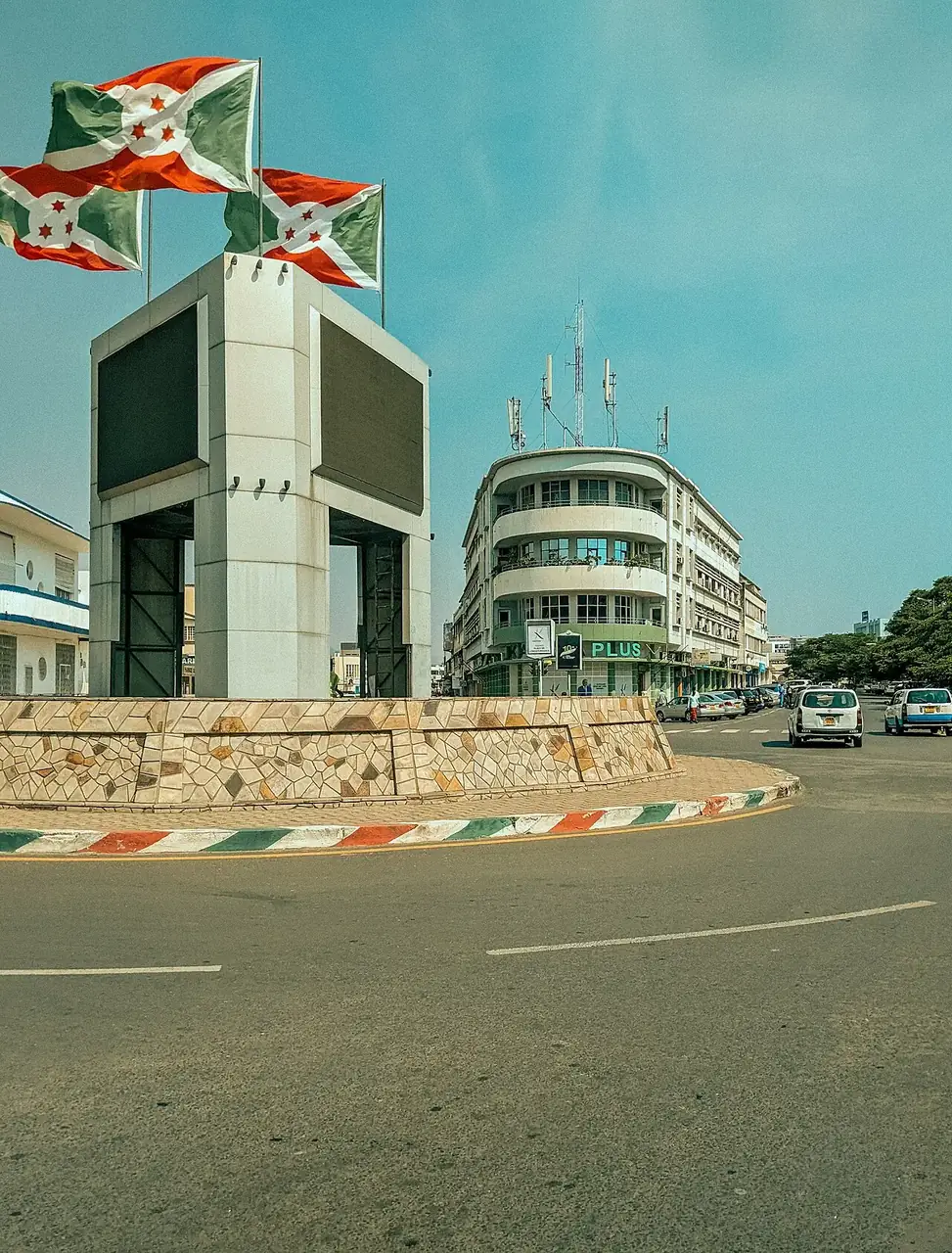 Photo: Edouard mhg · CC BY-SA 4.0
Published by Adama Doumbia, founder of Afrique Unie · updated 28 November 2026 · our method and sources
Why visit Bujumbura?
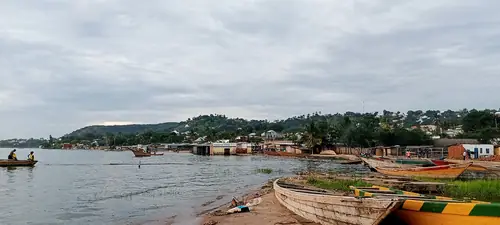
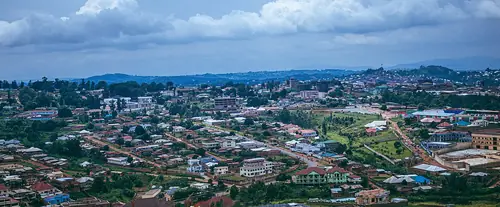
Backed by the foothills of the Mirwa Mountains and facing Lake Tanganyika, Bujumbura lost its status as political capital to Gitega in 2019, but it remains by far the largest city and the economic engine of the country. Its setting is superb: the districts climb in tiers from the lakeshore up into the hills, from where you can take in the whole expanse of water and, on clear days, the mountains of the Democratic Republic of the Congo on the far side.
The city has kept a human scale. Avenues lined with flame trees, Belgian-era government buildings, lively markets and sandy beaches add up to a relaxed whole where much of life is lived outdoors. In the late afternoon the action moves to the northern beaches, where people dine on grilled fish to music: get there and back by car, as France advises against getting around on foot, even in the city centre.
Bujumbura is also a handy starting point for exploring the country: the Livingstone and Stanley stone to the south, the tea plantations up in the hills (after checking official advice, as parts of the Kibira are advised against) and the road to Gitega in the east. Rusizi National Park, to the north, is however advised against by the UK because of possible armed incursions from the DRC. A city without great monuments, but one where it is pleasant to linger.
Things to do in Bujumbura: 5 ideas
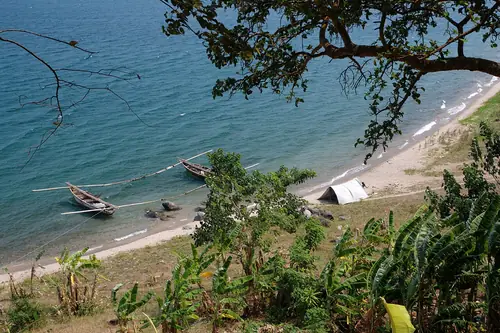
- 01Northern beachesSpend a late afternoon on the sandy beaches north of the city without swimming (crocodiles, hippos), then have dinner at sunset and head back by car.
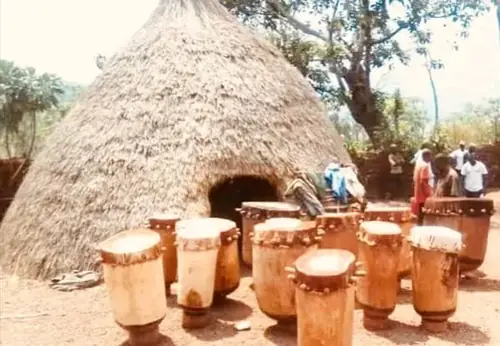
- 02Musée VivantDiscover this small cultural park showcasing traditional huts, crafts and sometimes drumming performances.
- 03Kiriri viewpointClimb into the hills for a sweeping view over the city and the lake at dusk.
- 04Mugere stoneHead south of the city to the rock marking Livingstone and Stanley's visit to the region in 1871.
- 05Neighbourhood marketsFrance advises avoiding crowded places, markets included: for colourful wax-print cloth, fruit or dried ndagala, try shops instead or go with someone from your accommodation, by car.
Bujumbura in one day
- 01MorningStart at the Living Museum (Musée vivant), right in the centre on Rue du 13-Octobre: this three-hectare park, founded in 1977, gathers crocodiles, snakes, a traditional rugo homestead and craft workshops. Arrive at opening time, before the heat, and have your accommodation's driver drop you off, as France advises against walking, even downtown.
- 02LunchHave mukeke or sangala, the fish of Lake Tanganyika, grilled or fried, with plantains, rice or ubugari, the cassava paste. Pick a restaurant near your accommodation rather than a crowded spot: France urges vigilance in bars and restaurants, where thieves may single out their victims.
- 03AfternoonDrive up to the Kiriri heights for a sweeping view of the city, the lake and, on clear days, the mountains of the DR Congo. On the way down, pass Regina Mundi Cathedral and Independence Square, two landmarks of the centre, without lingering in crowded places.
- 04EveningEnd the day on the northern beaches for sunset and a grilled fish dinner, toes in the sand but without swimming: France advises against it near Bujumbura because of crocodiles and hippos. Plan your return by car with a driver before 9 pm, when bars must close, and never walk along the road after dark.
A second day in Bujumbura
- 01MorningDrive south by day along the lake road to Mugere to see the stone marking the visit of Livingstone and Stanley in 1871. The route crosses Bujumbura Rural, where France advises against being after nightfall: come back well before evening and check you have enough fuel before setting off.
- 02LunchBack in town, try ndagala, the tiny lake fish served dried or fried, with beans (ibiharage) and plantains, everyday Burundian staples. Wash them down with fresh passion fruit, pineapple or mango juice. Carry Burundian francs in cash, as bank cards are very rarely accepted.
- 03AfternoonSpend the afternoon at the Burundi Geological Museum, small but informative on the country's rocks and minerals, then look for basketry and miniature drums in a craft shop in Rohero rather than at the market. Check the museum's opening hours with your accommodation the day before, as they can change.
- 04EveningHave an early dinner in Rohero, a leafy residential district with plenty of restaurants, but avoid the Rohero 2-INSS area after dark, as France recommends. Goat skewers, fried plantains and a local beer make a typical meal. Go back in a booked car, never on foot.
What to eat in Bujumbura
Burundian food is simple and filling: beans (ibiharage), plantains, sweet potatoes and cassava form the basis of most meals, often with ubugari, a thick cassava-flour paste. In Bujumbura, Lake Tanganyika supplies the specialities: mukeke and sangala, grilled or fried, and ndagala, tiny fish served dried or fried. Goat skewers are everywhere in the evening.
As for drinks, urwarwa, a banana beer, and impeke, a sorghum beer, are traditionally shared at celebrations, and fresh fruit juices are excellent. To try local dishes, choose hotel restaurants, the lakeside places north of the city and spots recommended by your accommodation rather than crowded markets. Drink bottled water.
Where to stay in Bujumbura
The city centre, around the shopping avenues, is convenient but empties in the evening. Rohero and its surroundings, leafy and residential, have plenty of mid-range hotels, guesthouses and restaurants, though France advises against going to Rohero 2-INSS after dark, as well as Bwiza, Kanyosha, Musaga, Kamenge, Cibitoke and Ngagara. Kiriri and the hills offer peace, cooler air and lake views, but you will need a vehicle. For a beach-resort feel, the lakeside establishments north of the city let you stay almost with your feet in the water.
Getting there and getting around
Melchior Ndadaye International Airport (code BJM) lies about ten kilometres north of the centre, at the start of the Rusizi plain. Do not count on ride-hailing apps: ask your accommodation to send a driver, who will meet you outside the terminal. Choose a flight that lands in daylight if possible, and in any case before 9 pm: France advises against flights arriving or leaving after that time. From the airport, do not continue north on the RN5 towards Cibitoke or towards the Rusizi: the UK advises against all travel to that area near the DR Congo.
In town, never get around on foot, even downtown and by day, as France recommends: use a car with a driver suggested by your accommodation, with the doors locked. Avoid buses and the area around the former central market and bus station on Chaussée Prince Louis Rwagasore, where the UK recalls a grenade attack in May 2024. After 6 pm, roads are generally no longer patrolled by the police, so plan your journeys accordingly.
See places to stay in Bujumbura
Frequently asked questions
Is Bujumbura safe?
The city is under heightened vigilance, but France advises against getting around on foot, even in the centre and especially at night, and against going after dark to several districts, including Bwiza, Kamenge, Cibitoke, Ngagara and Rohero 2-INSS. Grenade attacks hit the centre in 2024, so avoid crowded places, the bus station and gatherings. The entire border with the DRC is strongly advised against.
Can you swim in Lake Tanganyika at Bujumbura?
It is not advisable: France warns of crocodiles and hippos right on the edge of Bujumbura, and the UK recommends avoiding swimming in the lake because of wildlife and waterborne diseases. Enjoy the northern beaches from the sand and stay alert at the water's edge.
Can you visit Rusizi National Park?
Not at present: the UK advises against all travel to Rusizi National Park and to the RN5 road north of the airport, because of possible armed incursions from the DRC, and France strongly advises against the Uvira road beyond the reserve. Give this trip a miss while these warnings stand, and check them before you travel.
How do I get from the airport to central Bujumbura?
Melchior Ndadaye airport is about 10 km north of the centre. Have a driver from your accommodation meet you, and, as France recommends, avoid flights arriving or leaving after 9pm: travelling at night is advised against and police control access to the city after dark.
Do I need cash in Burundi?
Yes: cards are rarely accepted and cash machines are scarce, especially outside Bujumbura. Change money at authorised outlets, by day and with great care. Fuel shortages are common, so check supplies before any trip into the provinces, and note that bars must close at 9pm nationwide.
How many days should I spend in Bujumbura?
Two days are enough: the first for the Living Museum, the view from Kiriri and dinner on the northern beaches, the second for the Livingstone and Stanley stone at Mugere and the Rohero district. Add a day or two for Gitega, the political capital, by car with a driver and in daylight only. Avoid Kibira forest and its roads, which France and the UK advise against.
What is there to do in Bujumbura in the evening?
Evenings are mostly spent by the lake, on the northern beaches, over a grilled fish dinner at sunset. They end early: bars must close at 9 pm, France advises against walking at night and several districts should be avoided after dark. Book your driver for both the outward and return journeys.
 Burundi