AfriqueUnie
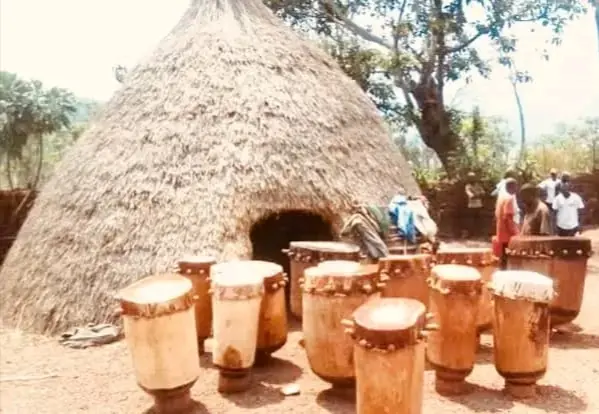 Photo: Jovin Drip · CC BY-SA 4.0
Published by Adama Doumbia, founder of Afrique Unie · updated 28 November 2026 · our method and sources
Daily budget
These are rough figures per person per day, excluding the international flight. They cover accommodation (two people sharing a room), meals, local transport and a few visits.
On a tight budget, allow roughly €30 to €50, in simple hotels or guesthouses, eating local food. For a comfortable trip, allow about €80 to €150, in a good hotel in Bujumbura or on Lake Tanganyika, with a car and driver. At the top end, allow €200 or more, although the choice is limited.
The gap between the official exchange rate and the informal rate can be large, according to the UK government: what things actually cost a visitor depends a great deal on how they pay. Treat these figures as indicative.
What is expensive and what costs next to nothing
- Visa: 90 dollars on arrival, on top of the daily budget.
- Car with driver: A sensible choice, as the French foreign ministry advises against walking, even in central Bujumbura, and against driving at night. Recurrent fuel shortages can push prices up and halt journeys.
- Accommodation: Affordable outside Bujumbura's few upmarket hotels. In the provinces, choose a guarded establishment, as France advises.
- Local meals: Brochettes, lake fish (mukeke, ndagala), beans and plantain cost little in local restaurants.
- Parks and sites: Entry fees for parks and sites, such as the source of the Nile or the Karera falls, are modest; the guide and transport cost more.
Money: Burundian francs, dollars and cash
The currency is the Burundian franc (BIF). The UK government describes Burundi as a largely cash-based society: bring US dollars issued after 2006 in perfect condition, as older notes or notes with small tears are refused. Euros and pounds sterling can usually be exchanged.
Outside Bujumbura, cards are rarely accepted and cash machines are few: do not rely on withdrawals. The French foreign ministry recommends bringing enough cash to cover the whole stay. Exchange and money transfers are possible in Bujumbura and the larger towns.
The country is short of foreign currency, and an informal exchange rate exists alongside the official one. Change money at authorised outlets and ask locally about the rules in force. Mobile money is sometimes accepted in tourist hotels.
Tipping is not compulsory but is appreciated by guides and drivers.
Visa and passport
Information checked in November 2026. These rules can change: read the official sources again before you travel.
A visa is required. Before you leave, complete the airport entry visa application online on the Burundian authorities' website, attaching the documents requested. A validation certificate is emailed to you: print it, as you need it to obtain the visa on arrival.
The visa is issued at the airport for 90 dollars, according to both the French and UK governments, for up to one month. The UK says the fee can be paid online or in cash on arrival. An extension can be requested locally from the authorities.
Your passport must be valid for at least six months after the date you arrive and have one blank page.
Land borders: the border with Rwanda has been closed since January 2024; with the DRC, only the Gatumba crossing is open, in daytime, according to the French foreign ministry. The UK says the Tanzania border operates normally. The only international airport is in Bujumbura.
Health and vaccinations
Yellow fever: vaccination is compulsory for all travellers aged nine months or over, wherever they arrive from. Get vaccinated at a travel clinic at least ten days before you leave and carry the certificate.
Malaria is present throughout the country all year. Prevention combines protection against mosquito bites and preventive medication prescribed by a doctor. Meningitis (in the dry season) and dengue are also reported; avoid swimming in Lake Tanganyika, as the UK advises.
Ebola: an outbreak of the Bundibugyo virus has affected the neighbouring Democratic Republic of the Congo since May 2026. Enhanced health screening may apply at borders in the region: check the latest guidance before you leave. As local healthcare is limited, insurance covering medical evacuation is essential.
Before you go: the checklist
- Visa: Online application before departure, printed validation certificate and 90 dollars if you pay on arrival.
- Passport: Six months' validity on arrival and one blank page.
- Yellow fever: Compulsory vaccine, with the international certificate to show.
- Cash: Recent US dollars in perfect condition, or euros, for the whole stay.
- Official sources: Read the Burundi page on gov.uk/foreign-travel-advice and the Burundi page of « Conseils aux voyageurs » on diplomatie.gouv.fr. The UK advises against all travel to several communes and roads near the Kibira National Park and the DRC border; France formally advises against the whole DRC border and the northern Kibira forest.
- Insurance: Treatment, medical evacuation and repatriation, with emergency numbers noted separately.