AfriqueUnie
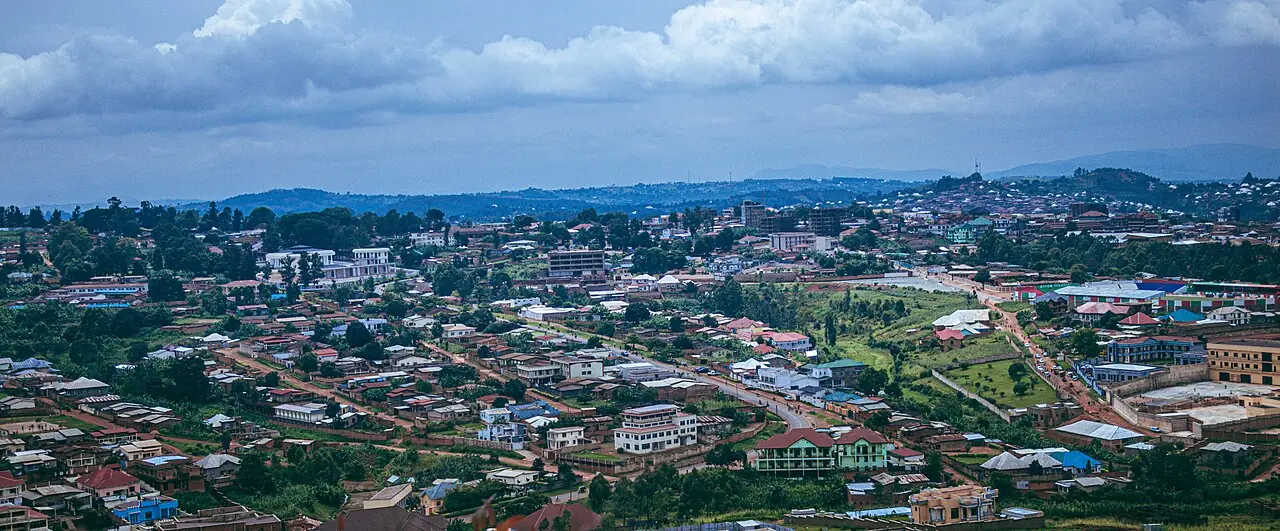 Photo: Edouard mhg · CC0
Published by Adama Doumbia, founder of Afrique Unie · updated 28 November 2026 · our method and sources
Why visit Gitega?
In the heart of the country, on the high plateaux at around 1,500 metres, Gitega became Burundi's political capital in 2019. It is a return to its roots: the region was at the centre of the kingdom, and the town holds the main traces of the monarchy's history. Smaller and calmer than Bujumbura, it enjoys a cool, pleasant climate, with mornings that are often misty.
The Gitega National Museum, founded in the colonial era, is the most important in the country. Its collections display objects linked to the monarchy, drums, farming tools, exquisitely fine basketry and musical instruments, shedding light on how traditional Burundian society was organised. The town also has a large Catholic cathedral and a lively regional market.
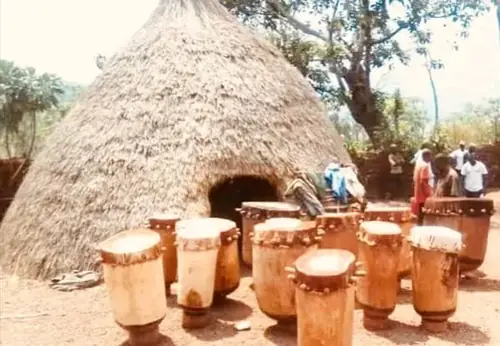
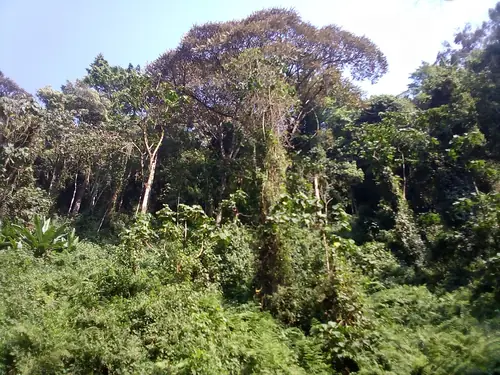
But the main draw remains the immediate surroundings: the Gishora drum sanctuary, a few kilometres away, and the former royal site of Mushasha, as well as magnificent hill roads that fan out towards the Karera Falls or the source of the Nile. Gitega is the cultural stop on your journey.
Things to do in Gitega: 6 ideas
- 01National MuseumTake your time exploring the royal collections, the basketry and the traditional instruments.
- 02Gishora sanctuaryWatch the drummers perform on the sacred hill close by.
- 03Gitega CathedralVisit the great brick church at the heart of the region's religious life.
- 04Central marketDive into the bustle of the market for woven baskets, fruit and fabrics.
- 05Karera FallsArrange an excursion to the south-east to discover these waterfalls amid the greenery.
- 06Hill roadsExplore the rural lanes on foot or by car to see farming life and the terraced landscapes.
Gitega in one day
- 01MorningStart at the National Museum of Gitega, the country's most important, as soon as it opens. Allow about an hour for its drums, royal objects, farming tools and fine basketry, displayed in a single room, which tell the story of the old kingdom. Ask for a guide on site: the explanations bring the collections to life.
- 02LunchHave lunch in the centre, at a small restaurant or your hotel: goat brochettes, beans, plantain and cassava dough make up a typical meal. Travel by car, even for a few streets, as the French authorities advise against walking anywhere in Burundi.
- 03AfternoonDrive to the Gishora drum sanctuary, about ten kilometres north on the Ngozi road. On this former royal hill, drummers keep alive a ritual listed by UNESCO as intangible cultural heritage. Arrange a performance in advance and ask before taking photographs.
- 04EveningBack in town before 6 pm, pass by the Cathedral of Christ the King, a large brick church, then have dinner at your hotel. Roads are no longer policed after dark, so do not head out again by car, and bring a jumper, as evenings on the plateau are cool.
A second day in Gitega
- 01MorningSet off early with a driver towards the south-east and the Rutana area, after filling up, as fuel shortages are frequent. The road crosses terraced hills between banana groves and bean fields: stop in a village to see rural life at close quarters.
- 02LunchReach the Karera Falls, south of Rutana: six cascades spread over three levels amid lush vegetation, on UNESCO's tentative World Heritage list. Bring a picnic bought the day before, as there are very few places to eat nearby.
- 03AfternoonContinue to the Nyakazu Fault, close to the falls, a dramatic escarpment with views over the plains towards Tanzania. Keep well back from the edge and follow your local guide's advice. Head back by mid-afternoon at the latest.
- 04EveningReturn to Gitega before nightfall, as the French authorities advise against driving after dark in the provinces. Have dinner at your well-guarded hotel and use the evening to sort your photos and plan the drive back to Bujumbura, which should also be done in daylight.
What to eat in Gitega
Burundian food is simple and filling, based on produce from the hills. Red beans, often cooked with plantain or cassava, come with almost every meal, along with ubugali, a stiff cassava-flour dough. Goat or beef brochettes, served with chips or grilled banana, are the most popular dish, as is isombe, pounded cassava leaves slowly stewed.
Ndagala, small fish from Lake Tanganyika, dried or fried, make their way to Gitega too. For drinks, traditional banana beer, urwarwa, is shared at celebrations, alongside local beers and tea grown in the hills. Eat at your hotel or in the small brochette restaurants of the centre rather than in crowded markets.
Where to stay in Gitega
Accommodation is modest but has been growing since the government institutions moved here: mid-range hotels in the centre, close to the market and government offices, and a few guesthouses and religious houses that take in travellers in the greener residential districts. The centre has most services, but France advises against getting around on foot in Burundi, even in town centres; the outlying districts are quieter but call for a vehicle.
Getting there and getting around
Gitega no longer has scheduled flights: you arrive at Melchior Ndadaye International Airport in Bujumbura (code BJM), the country's only international airport. Gitega is then about 100 kilometres away on National Road 2, a two- to three-hour drive through the hills. Book a car with driver through your hotel and plan to travel entirely in daylight.
Once there, the French authorities advise against walking, even in the town centre, and against shared minibuses, which are often involved in accidents. The simplest option is to keep the same driver for your whole stay, for both town visits and excursions. Check the fuel before every trip and carry cash in Burundian francs, as cards are rarely accepted.
Frequently asked questions
How do I get from Bujumbura to Gitega?
By road, about two to three hours for roughly 100 km through the hills. Leave early, drive only by day and check your fuel, as shortages are common. France advises against shared minibuses, which are often involved in accidents, so take a car with a driver.
What can I see in Gitega in a day?
The National Museum, the most important in the country, then the Gishora drum sanctuary a few kilometres north, and the cathedral. The ritual dance of the royal drum is on UNESCO's intangible cultural heritage list, so give notice in advance to see a performance.
Is Gitega safe?
Central Burundi is under heightened vigilance. In the provinces, France advises against driving at night, recommends staying in a properly guarded hotel and avoiding markets and crowded places. After 6pm, roads are generally no longer patrolled by the security forces.
When is the best time to visit Gitega?
The dry season, from June to September, makes travel on the hill roads easier. From October to May, heavy downpours can damage the roads, so check conditions before setting out. At around 1,500 metres, evenings are cool all year round.
What is there to see around Gitega?
The Karera falls, to the south-east near Rutana, and the southernmost source of the Nile, marked by a small pyramid near Rutovu to the south-west, each take a long day. Leave early with a driver, fuel and cash, and be back before dark.
How many days should I spend in Gitega?
Two days let you see the National Museum, the Gishora drum sanctuary and the cathedral, then spend a day at the Karera Falls or the source of the Nile. Add a night if you are coming from Bujumbura, so that you never have to drive after dark.
What is there to do in Gitega in the evening?
Gitega is a quiet town that lives mainly by day. In the evening, people dine at their hotel or at a nearby restaurant reached by car. The French authorities advise against travelling at night in the provinces and recommend staying somewhere well guarded, so enjoy the cool plateau air without staying out late.
 Burundi