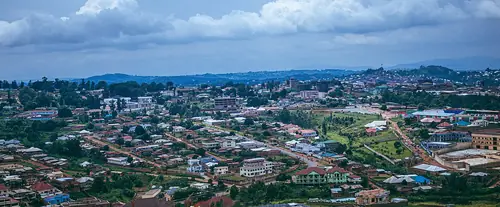
Burundi is nicknamed the land of a thousand hills, just like its Rwandan neighbour, and the image is apt: from Lake Tanganyika to the eastern plateaux, the land folds into an endless succession of cultivated ridges, covered in banana groves, bean fields, almost neon-green tea bushes and little ochre-brick houses. The winding roads reveal a new panorama at every bend, and rural life shows itself without pretence: women carrying bunches of bananas on their heads, children running behind bicycles loaded with sacks of charcoal, noisy weekly markets on village squares.
Above all, the country has one of the most impressive musical traditions on the continent. The drummers of Burundi, with their great wooden drums carried on their heads, their acrobatic leaps and rhythms that make the ground shake, have toured the world. Seeing them play on home soil, at the Gishora sanctuary near Gitega, takes on a whole other dimension: these drums were long sacred objects, bound up with kingship and farming rites, and their dance is inscribed on UNESCO's list of Intangible Cultural Heritage.
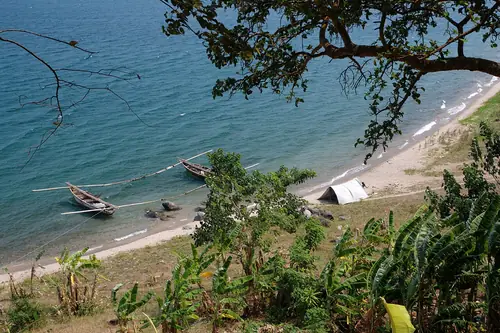
Lake Tanganyika, one of the deepest in the world, borders the west of the country with its fine sandy beaches, its limpid fresh water and its sunsets over the Congolese mountains opposite. Inland, the Kibira forest shelters chimpanzees and colobus monkeys, the Karera Falls tumble down cliffs, and a pyramid marks one of the southernmost sources of the Nile. Burundi receives very few travellers, the welcome is sincere and the experience authentic. It remains a fragile country, however: check the security situation with your government's official travel advice, as certain areas, notably border regions, are advised against.
History and culture
The Kingdom of Burundi took shape from the 17th century around a sovereign, the mwami, and an aristocracy of princes, the ganwa. The royal drums held a central place: they accompanied ceremonies, announced decisions and set the rhythm of the sowing festival, umuganuro. The country was colonised by Germany at the end of the 19th century, then administered by Belgium after the First World War as part of the territory of Ruanda-Urundi.
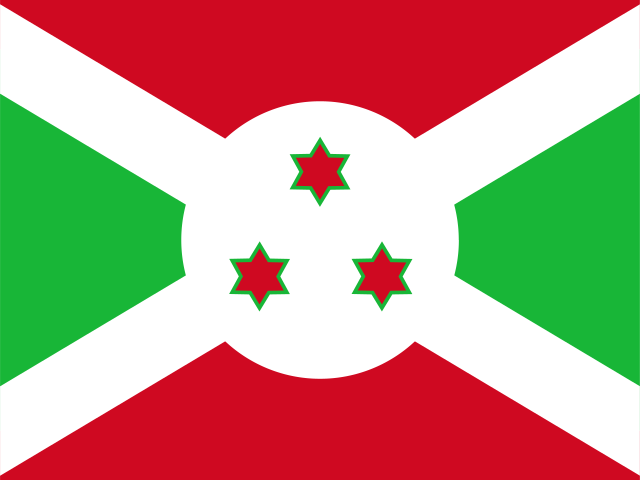
Burundi gained independence in 1962, first as a monarchy, before a republic was proclaimed in 1966. The following decades were marked by repeated political and ethnic violence, culminating in a long civil war from 1993. The Arusha Accords, signed in 2000, paved the way for a gradual end to the conflict. In 2019 Gitega replaced Bujumbura as the political capital, restoring to this central town a role close to the one it played in royal times.
8 experiences not to miss in Burundi
Photo : Jovin Drip · CC BY-SA 4.001Drummers at GishoraNear Gitega, watch a performance by the sanctuary's drummers, powerful rhythms and spectacular leaps included.
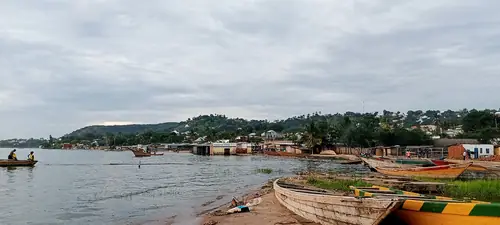
Photo : Emesik · CC BY-SA 3.002Sunset over Lake TanganyikaSettle on a beach north of Bujumbura to watch the sun sink behind the Congolese mountains.
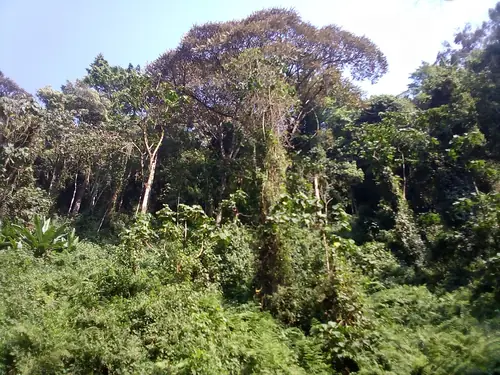
Photo : NZISABIRA Léopold · CC BY-SA 4.003Track the chimpanzees of the KibiraWalk at dawn through this montane forest in the hope of meeting chimpanzees and black-and-white colobus.
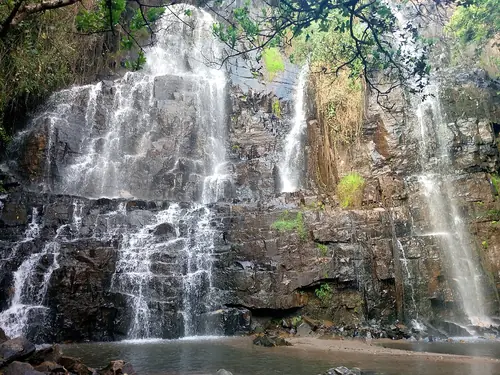
Photo : Zamennest · CC BY-SA 4.004Karera FallsHead to the south-east for these tiered falls, which drop in a series of steps amid lush vegetation.
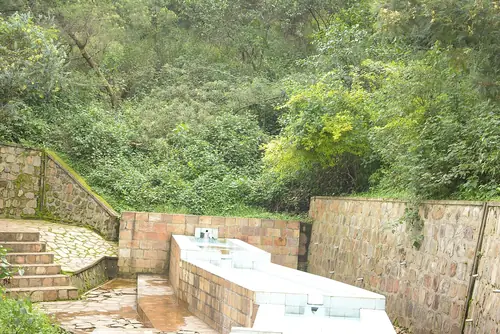
Photo : Kibengado · CC BY-SA 4.005Source of the Nile at RutovuClimb to the small pyramid that marks one of the southernmost sources of the great river.
07Livingstone-Stanley StoneAt Mugere, south of Bujumbura, visit the rock commemorating the two explorers' visit in 1871.
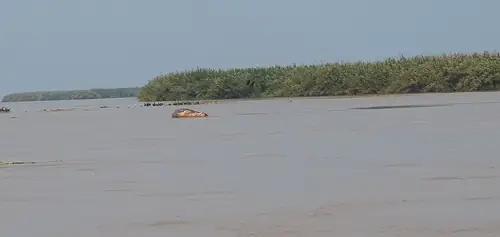
Photo : Decli4 · CC BY-SA 4.008Rusizi National ParkTake a boat onto the Rusizi delta to watch hippos, crocodiles and waterbirds, a stone's throw from the economic capital.
When to go to Burundi
Burundi has a tropical climate tempered by altitude: hot and humid on the shores of Lake Tanganyika, cool on the high plateaux and in the Kibira. The long dry season, from June to August and stretching into September, is the most pleasant time to travel: passable roads, clear skies, easier hiking. A short dry season usually falls around January and February. The months from March to May bring the heaviest rains, which turn some tracks muddy and slippery, especially in the forest. The country stays green all year round and temperatures are rarely extreme, so with a little flexibility you can travel outside the dry season too.
Getting around
Most travellers arrive at Bujumbura's international airport, the only one in the country, or overland from Rwanda or Tanzania, after checking the state of the borders. The main road network is partly paved, but the hill roads are winding and slow. Public minibuses link the towns cheaply and are often crammed full; to get around more freely, hiring a car with a driver remains the most comfortable option. The country regularly suffers fuel shortages, which can disrupt travel: ask locally. In town, taxi fares are negotiated and bicycle taxis handle short trips away from the main roads.
Etiquette and customs
Burundians attach great importance to politeness and restraint. Greetings are long, and people often hold their right forearm with their left hand while shaking hands, as a sign of respect. Raised voices and displays of impatience go down badly. Always ask before photographing someone, and steer clear of official buildings, soldiers and police. Society is fairly conservative: respectable dress is appreciated, especially outside Bujumbura. Politics and questions of ethnicity are highly sensitive subjects; best not to raise them. Sharing a beer or a drink you are offered is a gesture of friendship to accept gladly.
Food and drink in Burundi
Burundian cooking is simple, filling and centred on the produce of the land and the lake. The star is mukeke, a fish endemic to Lake Tanganyika with delicate flesh, served grilled or fried with plantains or chips. Ndagala, a tiny dried or fried fish, is eaten by the handful with a tomato and onion sauce. Inland, slow-cooked red beans accompany almost every meal, along with cassava, sweet potato and banana cooked in palm oil. Grilled goat skewers are enjoyed in the evening in the cabarets, the local bars. People drink local industrial beer or urwarwa, a traditional banana beer shared at celebrations.
Budget: around €30–60 per person per day, excluding flights. This is only a guide and depends above all on the accommodation and activities you choose.
What currency and languages are used in Burundi?
Currency: Burundian franc (BIF). Languages: Kirundi, French.
How do I get to Burundi?
The main international airport has the code BJM. Compare flights with the ‘Flights’ button on this page.
Do I need a visa to visit Burundi?
Entry requirements depend on your nationality and change regularly. Check them on the country's official website or with your foreign ministry before booking, and make sure your passport is valid.
What should I eat in Burundi?
Dishes to try while you're there: Grilled mukeke, beans, plantain.
Map
Burundi on the map
Cities Places to see · Approximate positions
On the ground
Getting around and staying healthy
Getting around
There are no scheduled domestic flights: you travel by road, over short distances but on winding routes. Buses and minibuses link Bujumbura with Gitega, Ngozi or Rumonge from the bus stations. In Bujumbura, taxis are the simplest option, as motorbike taxis and tuk-tuks were banned from the city centre in 2022 (check locally whether this still applies). To visit the parks or the southern shore of Lake Tanganyika, a car with driver is recommended; traffic drives on the right.
Health and safety
Yellow fever
Vaccination certificate required on entry for all travellers (from 9 months); vaccine recommended for the whole country (from 9 months).
Malaria
Present throughout the country: ask a doctor about preventive medication and protect yourself from mosquitoes.
Water and food
Unless your accommodation says otherwise, drink sealed bottled or filtered water, and wash your hands often.
Affiliate cookiesWe would like to load a script from our partner Travelpayouts. It may set cookies so that we receive a commission when you book through our links, at no extra cost to you. If you decline, the site works in exactly the same way. Find out more
 AfriqueUnie
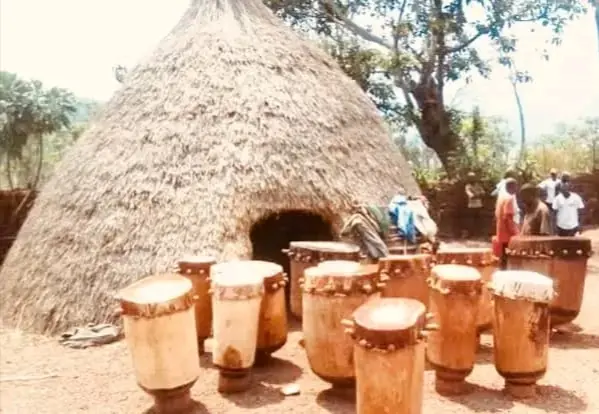 Photo: Jovin Drip · CC BY-SA 4.0
 Burundi
 Djibouti
 Eritrea
 Ethiopia
 Kenya
 Rwanda
 Somalia
 South Sudan
 Tanzania
 Uganda