 AfriqueUnie
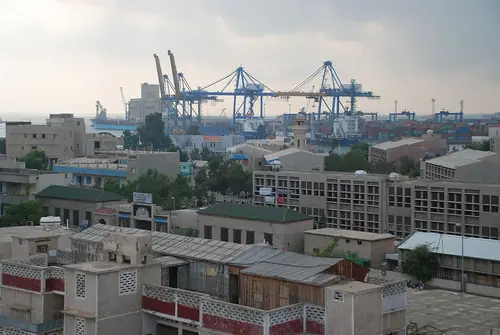
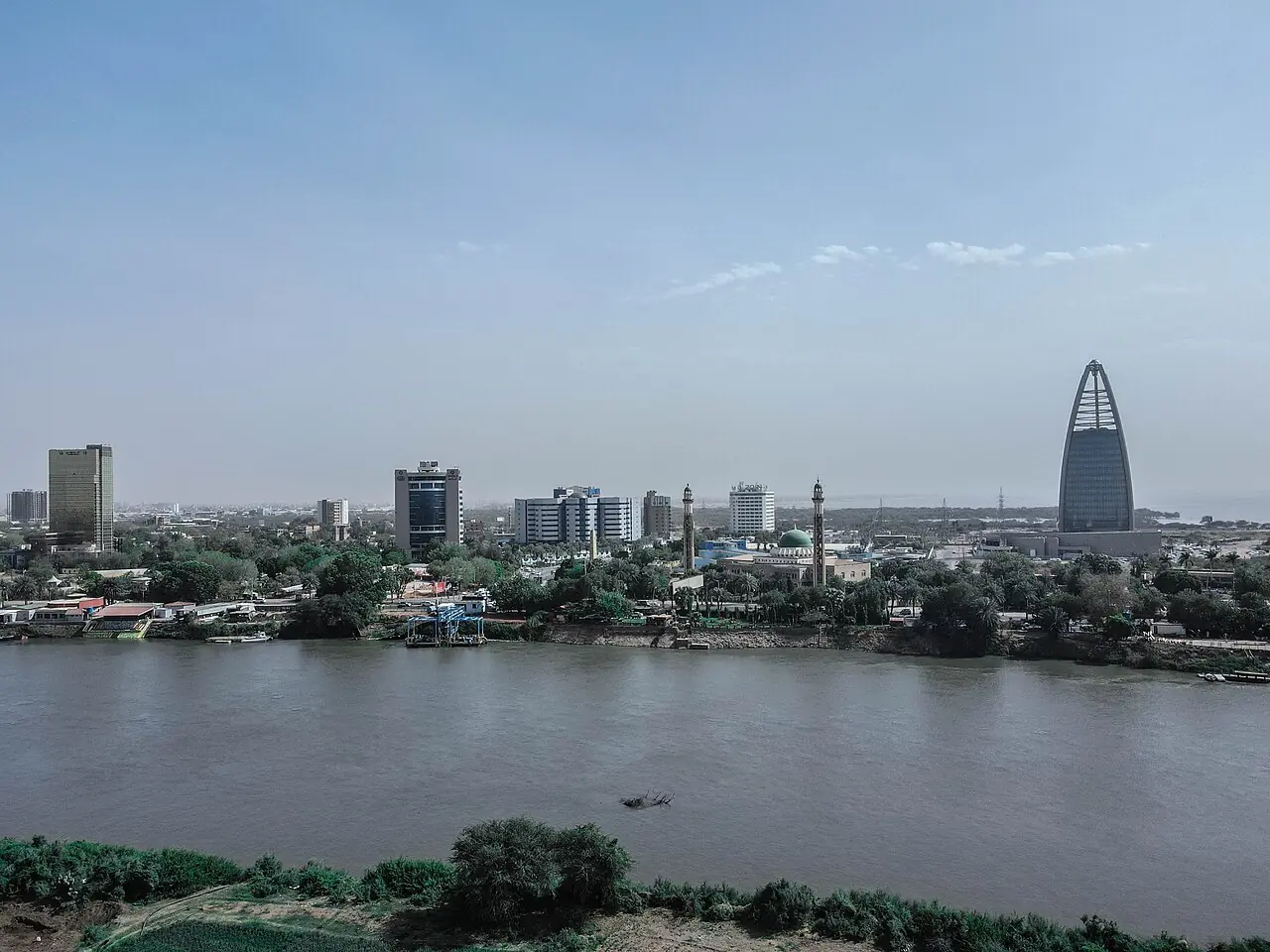 Photo: Mojtaba Abdlbagi · CC BY-SA 4.0
Published by Adama Doumbia, founder of Afrique Unie · updated 28 November 2026 · our method and sources
Why visit Khartoum?
Khartoum was born at the confluence of the Blue Nile, flowing down from the Ethiopian highlands, and the White Nile, coming from the Great Lakes of East Africa. Together with Omdurman and Khartoum North, or Bahri, it forms a three-headed metropolis separated by arms of the river. It must be said plainly: since April 2023 the capital has been at the heart of the war and has suffered immense destruction. A large proportion of its inhabitants have fled. Travellers are formally advised not to go there.
Before the conflict, Khartoum had a peaceful and surprisingly relaxed atmosphere for a capital. People came to see the confluence from the Mogran Bridge, to visit the National Museum, which held unique collections on the Nubian kingdoms as well as temples rescued from the waters of Lake Nasser, or to stroll under the trees along the Nile, where tea ladies set up their stools.
Omdurman, on the opposite bank, was the working-class and historic heart: its great souk, one of the largest in the country, the Mahdi's Tomb, the Khalifa's House and above all, on Fridays, the Sufi ceremony of the Hamed el-Nil brotherhood, where dervishes in colourful robes danced to the sound of drums. Information on the state of these places is often incomplete; looting of the National Museum has been reported.
Things to do in Khartoum: 6 ideas
- 01The confluence of the two NilesFrom the Mogran Bridge, watch the brown and green waters of the two rivers meet.
- 02The National MuseumIt displayed statues of the Kushite pharaohs and Nubian temples rebuilt in its gardens.
- 03Omdurman soukA vast market of spices, crafts, gold and fabrics at the heart of city life.
- 04The Friday Sufi ceremonyA popular spiritual and musical experience, open to all before the war.
- 05The Mahdi's TombAn emblematic monument of 19th-century Sudanese history, in Omdurman.
- 06Tea on the banks of the NileShare a spiced tea with local people at sunset, under the great trees of the corniche.
Where to stay in Khartoum
Looking ahead to a future trip, hotels were mainly in central Khartoum, along the Blue Nile, and in residential districts such as Amarat. Omdurman offered the most down-to-earth atmosphere. Reconstruction will take time, and it is impossible today to predict which districts and infrastructure will become accessible again.
 Sudan