AfriqueUnie
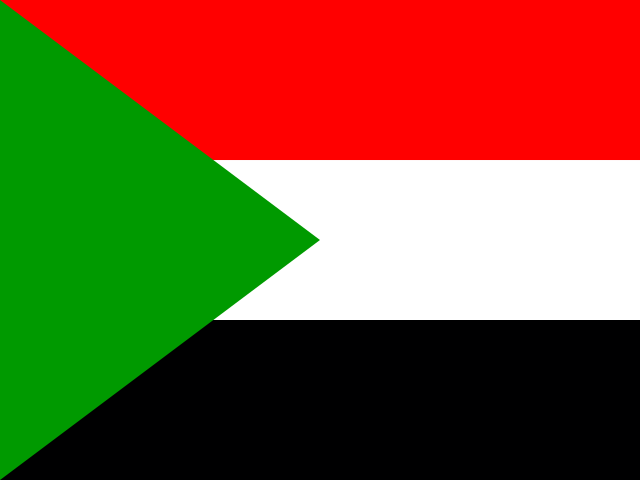
 Photo: Wufei07 · Public domain
Published by Adama Doumbia, founder of Afrique Unie · updated 28 November 2026 · our method and sources
What the UK and French governments say
Information checked in November 2026. The situation can change very quickly: read the official pages again just before any decision.
The UK Foreign, Commonwealth & Development Office (FCDO) advises against all travel to Sudan because of the military conflict in Khartoum and other parts of the country, except the Hala'ib Triangle and the Bir Tawil Trapezoid, where it advises against all but essential travel. It notes that several ceasefires have been regularly broken.
The British Embassy in Khartoum is closed and there are no British consular staff in Sudan. The FCDO says its ability to provide consular support is severely limited, that it cannot provide in-person support inside Sudan and that the UK government is no longer evacuating people.
The French foreign ministry advises against all travel to the whole territory, including Khartoum and Port Sudan. It says every region may be hit by air strikes, particularly drone strikes, and that crime is very high. The French embassy in Khartoum is closed until further notice, and French nationals still in Sudan are urged to leave by their own means for Egypt or Ethiopia.
Insurance: what official advice changes
The FCDO warns that your travel insurance could be invalidated if you travel against its advice. Most travel insurance policies and card-linked cover exclude countries the authorities advise against, so treatment, evacuation or repatriation might not be paid for.
For humanitarian or work deployments, the sending organisation should normally arrange specialist high-risk cover. In every case, get written confirmation of cover before you leave.
The FCDO says anyone already in Sudan who wants to leave will be expected to cover the cost of visas, accommodation, insurance and onward travel themselves.
Visa and passport: how it works
A visa is required and must be obtained before travel. The FCDO says you can apply through the Sudanese Embassy in London or the Sudanese embassy in the country you are travelling from. The French ministry notes that, before the war, processing could take up to five weeks and that state services are now affected by the fighting: expect unpredictable delays.
Your passport must be valid for at least six months from arrival. Passports with an Israeli visa or stamp are refused, according to the FCDO.
Once in the country, you must register with the Aliens Department of the Ministry of Interior within three days of arrival, with two passport photos and a fee, or risk a fine. You need a travel permit to leave the Red Sea State, where Port Sudan is located, and requirements differ by state.
If you enter on a single-entry visa, you may need an exit visa to leave, though this is not always enforced. Children aged 17 and under need their father's consent to enter and leave; check with the Sudanese embassy.
On the ground: the constraints reported
- Flights: According to the FCDO, Khartoum and Port Sudan airports operate a limited number of flights but have been targeted by drone strikes and may close again temporarily.
- Consular help: No British or French consular help in the country. British nationals can call the FCDO 24/7 helpline on +44 1908 516 666 (option 2).
- Most dangerous areas: The French ministry singles out the Darfur states, Kordofan, the Ethiopian border, Jebel Uweinat and Dinder park.
- Photography: Do not photograph government buildings, military sites, bridges or airports.
- Red Sea: The French ministry reports attacks on ships off the Sudanese coast.
Health
Yellow fever: the US CDC lists no general certificate requirement on entry, but recommends the vaccine for areas south of the Sahara; it does not recommend it for travel limited to the Sahara or Khartoum. The FCDO, however, says a yellow fever certificate is required to enter Sudan: get vaccinated at least ten days before departure and carry your certificate.
Malaria is present throughout the country. Preventive medication prescribed by a doctor and protection against mosquitoes are needed. Cholera and dengue are also reported by the FCDO and the French ministry: drink only bottled or treated water.
The conflict has severely affected health services and medicines are in short supply. The FCDO says medical evacuation is likely to be needed for all but the most basic treatment. Bring enough of your own medication.
Before any trip: who to tell, what to read
- British nationals: Sign up for email alerts on the Sudan page of gov.uk/foreign-travel-advice and note the FCDO helpline number.
- French nationals: Register on Fil d'Ariane (diplomatie.gouv.fr) to receive alerts and be contactable in a crisis.
- Sending organisation: For humanitarian or work deployments, a security plan and exit options agreed before departure.
- Pages to read: The FCDO Sudan page, including Warnings and insurance and Entry requirements, and the Soudan page of « Conseils aux voyageurs » on diplomatie.gouv.fr.
- Family: If you are trying to reach a relative stuck in Sudan, contact your foreign ministry's crisis service.
- Insurance: Written confirmation of cover, including treatment and evacuation.