AfriqueUnie
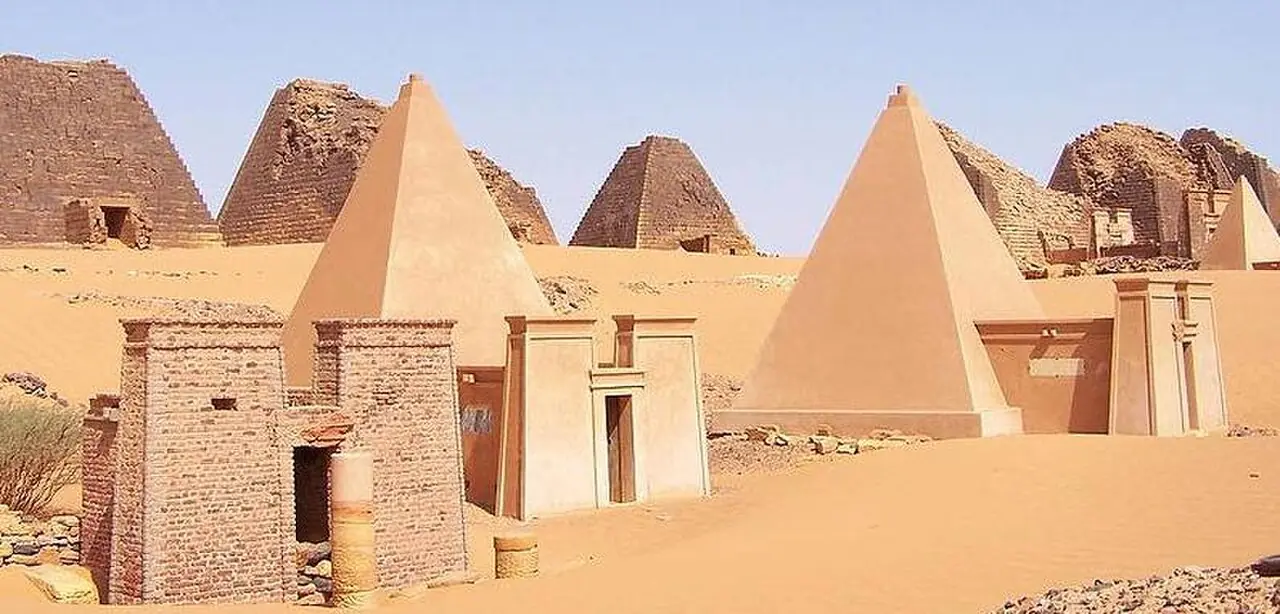 Photo: Wufei07 · Public domain
Published by Adama Doumbia, founder of Afrique Unie · updated 28 November 2026 · our method and sources
Why go
Some two hundred kilometres north-east of Khartoum, on the east bank of the Nile, the royal necropolis of Meroë, near the village of Bagrawiya, gathers dozens of narrow, pointed pyramids standing on hills of orange sand. They housed the tombs of the kings and queens of the Kingdom of Meroë, which flourished from the end of the 1st millennium BC until the 4th century AD. The site is part of the Archaeological Sites of the Island of Meroë, inscribed as a UNESCO World Heritage Site in 2011.
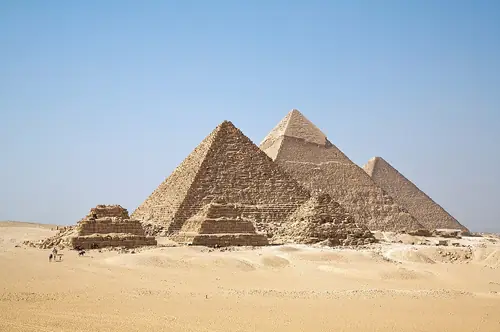
Smaller and steeper than the Egyptian pyramids, they are fronted by funerary chapels decorated with reliefs. Many were decapitated in the 19th century by an adventurer hunting for treasure. Nearby, the remains of the royal city of Meroë and, further south, the temples of Naqa and the great enclosure of Musawwarat es-Sufra complete an exceptional archaeological ensemble, the legacy of an original African civilisation with its own writing system.
Getting there
Sudan is currently at war and travellers are formally advised against all travel: you must check your government's official travel advice. Before the conflict, Meroë was reached from Khartoum in about three and a half hours on a tarmac road heading north, often as part of a 4x4 tour with a local agency.
 Algeria
 Egypt