AfriqueUnie
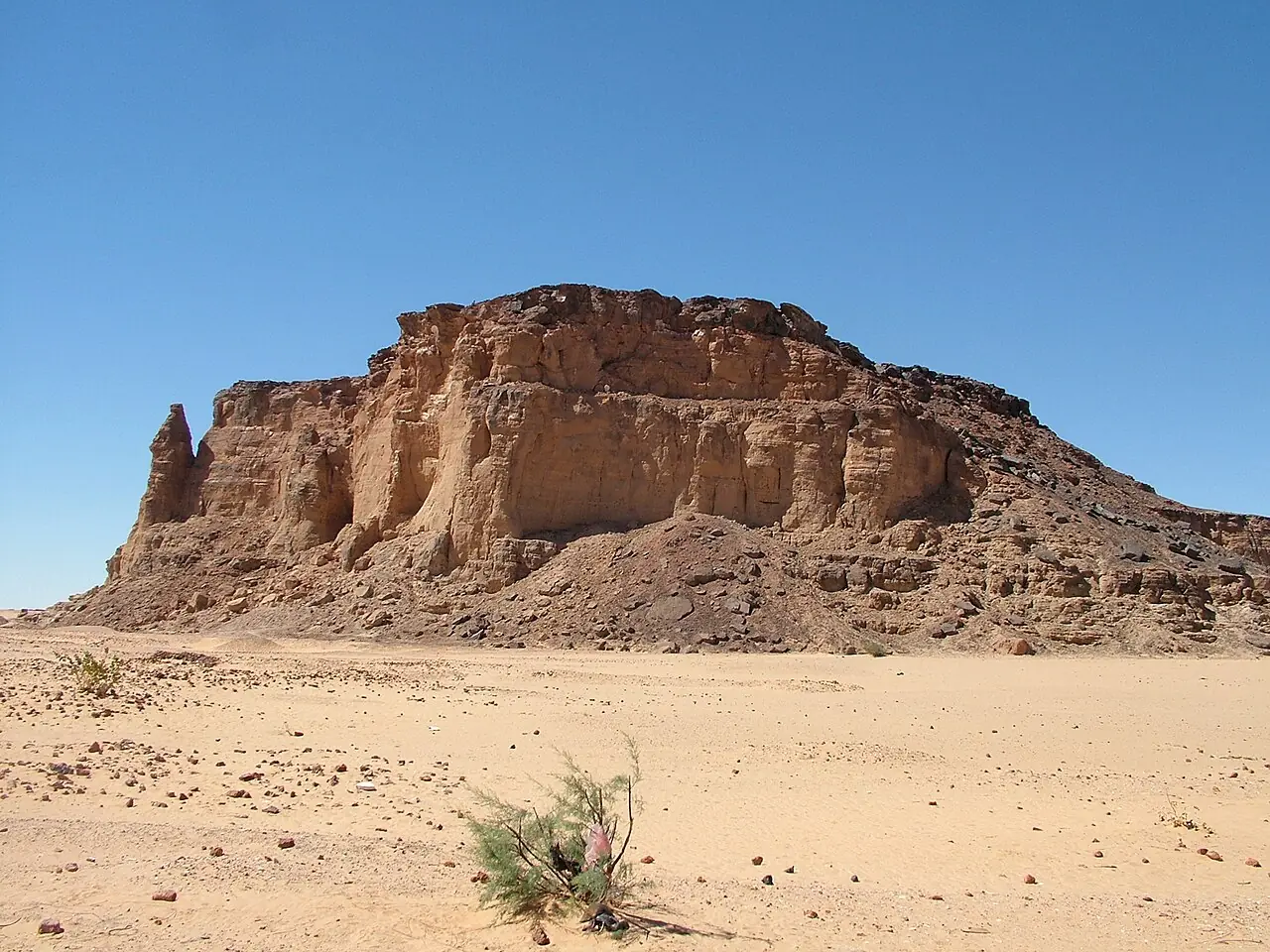 Photo: LassiHU · CC BY-SA 4.0
Published by Adama Doumbia, founder of Afrique Unie · updated 28 November 2026 · our method and sources
Why go
In the heart of Sudanese Nubia, near the town of Karima, an isolated sandstone mountain rises above the Nile Valley. The Egyptians and the Kushites considered Jebel Barkal the home of the god Amun. At its foot lay Napata, capital of the Kushite kingdom which, in the 8th century BC, conquered Egypt and gave rise to the 25th Dynasty of Black Pharaohs. The site has been a UNESCO World Heritage Site since 2003, together with the other sites of the Napatan region.
Here you can see the ruins of the Great Temple of Amun, a rock-cut temple dedicated to the goddess Mut, hollowed out of the cliff, and a pinnacle of rock standing proud of the cliff face, interpreted as a royal cobra. Pyramids rise on the western flank. In the surrounding area, the necropolis of El-Kurru, with its painted tombs, and that of Nuri, where the pharaoh Taharqa lies, complete the ensemble.
Getting there
Because of the war, all travellers are currently advised not to visit Sudan: check your government's official travel advice. Before the conflict, Karima was reached from Khartoum by a tarmac road across the Bayuda Desert in about six hours, and was often combined with Meroë on the same tour.
 Algeria
 Egypt