 AfriqueUnie
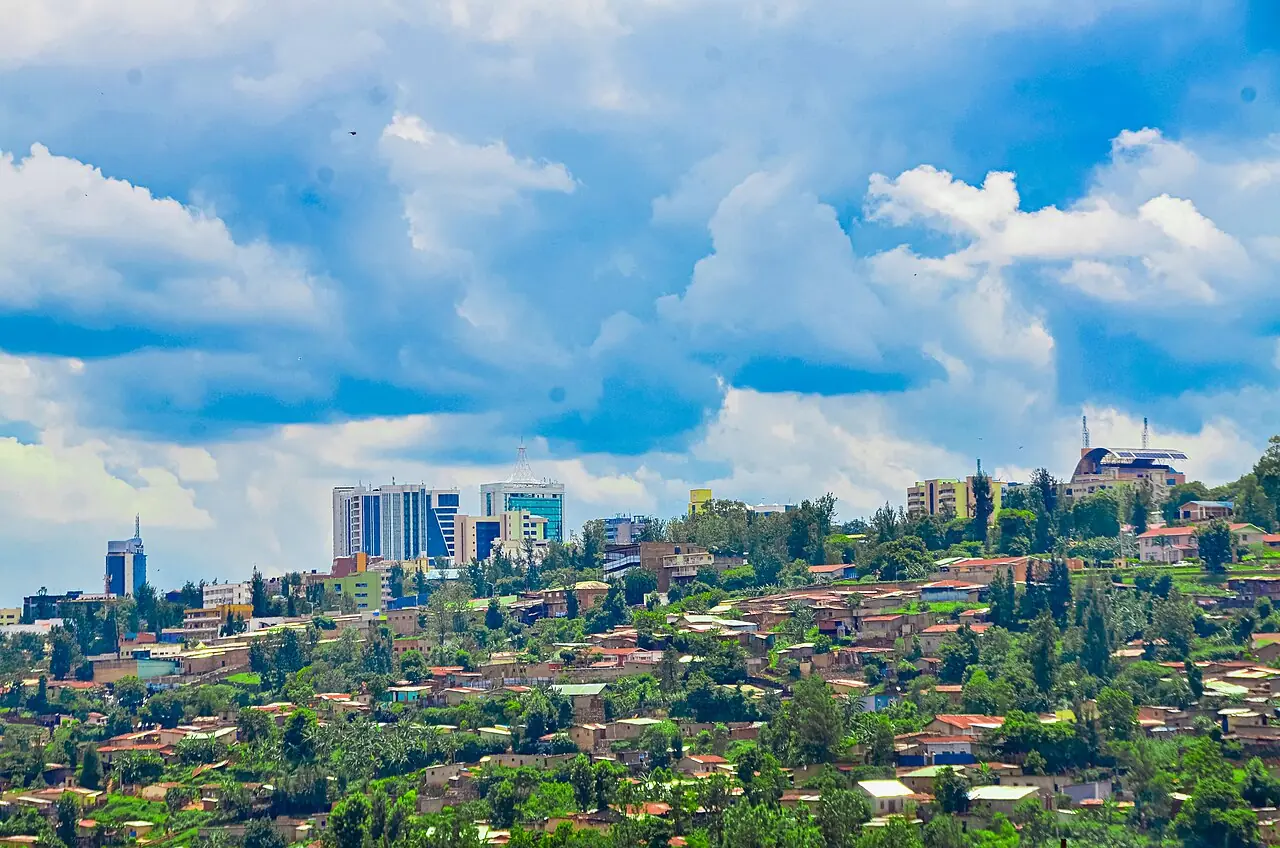 Photo: GATETE Pacifique · CC BY-SA 4.0
Published by Adama Doumbia, founder of Afrique Unie · updated 28 November 2026 · our method and sources
Day 1: Understanding: Gisozi and the Parliament museum
- 01MorningBegin at the Kigali Genocide Memorial in Gisozi, about fifteen minutes from the centre by taxi. Allow at least three hours for the exhibition, which traces the origins, course and aftermath of the 1994 genocide against the Tutsi, and for the gardens where more than 250,000 victims are buried. Dress modestly.
- 02LunchTake time to pause after this harrowing visit. Have a simple lunch in the centre, near the car-free zone, or in Kiyovu, a quiet, leafy district close by. Try goat brochettes, isombe, made from pounded cassava leaves, and plantains, often served at lunchtime buffets.
- 03AfternoonHead to the Campaign Against Genocide Museum, inside the Parliament building in Kimihurura, whose facade still bears the scars of the fighting in 1994. It explains how the forces of the Rwandan Patriotic Front brought the genocide to an end. Do not photograph the official buildings around it: for some of them, it is illegal.
- 04EveningPass the Kigali Convention Centre, whose dome lights up in colour after dark, then have dinner in Kimihurura or Kacyiru, neighbouring districts with plenty of good restaurants. Go back by car taxi: although crime is low, the French authorities advise against walking alone at night in deserted or poorly lit streets.
Day 2: Markets, coffee and Nyamirambo
- 01MorningArrive early at Kimironko Market, one of the city's largest, east of the centre: fruit, vegetables, agaseke baskets and stalls of printed fabric. Choose a length of cloth and take it to one of the market tailors for a made-to-measure outfit, asking how long it will take, which is often not long. Keep an eye on your bag in the crowded aisles.
- 02LunchHead back towards the centre for a speciality coffee grown in the Rwandan hills, then visit one of the city's contemporary art galleries, where painting, sculpture and fashion reflect a lively creative scene. Have lunch there or in the centre, enjoying the view over the hills from a terrace.
- 03AfternoonGo down to Nyamirambo, a working-class, cosmopolitan district south-west of the centre, for a two-hour walk with a local guide. Colourful facades, hair salons, tailors' workshops, mosques and busy street life: this is Kigali at its liveliest. Be respectful of residents and always ask before taking their photograph.
- 04EveningDrive up Mount Kigali, above Nyamirambo, for views over the hills at sunset, around 6 pm all year round, then come back down by car rather than on foot after dark for dinner in the district, which is very lively in the evening. Return by car taxi booked through your accommodation or an app rather than by motorbike taxi, as the French and British authorities advise.
Day 3: Day trip to the Nyamata and Ntarama memorials
- 01MorningSet off around 8 am by car with a driver for the Bugesera district, about an hour's drive south. At Nyamata church, now a memorial, the victims' clothes and the bullet holes in the walls recall the massacres of April 1994, when thousands of people had sought refuge there. Site guides accompany your visit.
- 02LunchContinue to Ntarama church, about twenty minutes away, where several thousand people were killed. Smaller and left as it was, it is deeply moving in its simplicity. Both memorials are harrowing, so allow time to collect your thoughts and have a simple lunch along the way before heading back to Kigali.
- 03AfternoonReturn to Kigali in the early afternoon and end the day gently: a stroll through the car-free zone in the centre, shopping at a craft cooperative, or a visit to the Kandt House Museum, in the former home of Richard Kandt, the first German colonial resident, which covers Rwanda before and during colonial rule and the founding of the city.
- 04EveningOn your last evening, have dinner near your accommodation and check the journey to the airport at Kanombe, 20 to 30 minutes away. If your stay falls on the last Saturday of the month, Umuganda closes most services from about 7 am to 11 am, so adjust your day trip or departure accordingly.
Practical tips
- 01Getting aroundUse car taxis, booked through your accommodation or an app, rather than motorbike taxis, day or night. The city is built on hills, so walking distances are deceptive. Avoid driving outside Kigali after dark, as roads are unlit.
- 02Where to stayKiyovu, quiet and central, is ideal for a first visit. Kimihurura and Kacyiru, both residential, are close to the Parliament museum and good restaurants. Nyarutarama is further out and more upmarket, while Nyamirambo offers a lively, working-class feel and simple places to stay.
- 03When to goThe dry seasons, from June to September and from December to February, are the most pleasant. Rain falls mainly from March to May and in October and November. The week following 7 April is a period of national mourning: remembrance takes priority and festivities are suspended.
- 04Safety and etiquettePlastic bags and e-cigarettes are banned. Some military zones are poorly signposted and off limits, and photographing certain government buildings is illegal. At memorials, behave respectfully, dress modestly and keep your voice low.
Frequently asked questions
Are 3 days enough for Kigali?
Yes. Two days are enough for the city itself, and the third lets you visit the Nyamata and Ntarama memorials. Kigali then makes a good base for gorilla trekking in Volcanoes National Park, two to three hours' drive north-west, for Lake Kivu or for safaris in Akagera.
What can you do in Kigali when it rains?
Showers are often short but heavy. Spend them at the Gisozi memorial, the Campaign Against Genocide Museum, the Kandt House Museum or art galleries, and keep the partly covered aisles of Kimironko for a grey morning. Postpone Mount Kigali, whose view disappears into the clouds.
Can you visit the Genocide Memorial with children?
Yes, but some rooms are very hard, especially the one devoted to child victims. Prepare them before the visit, adapt the route to their age and plan a break in the gardens. For younger children, it is best to avoid the Nyamata and Ntarama church memorials.
What happens during Umuganda?
On the last Saturday of the month, residents take part in a morning of community work. From about 7 am to 11 am, most services close and traffic is very light, so plan your visits for the afternoon. On the first and third Sundays of the month, car-free mornings are also held.