AfriqueUnie
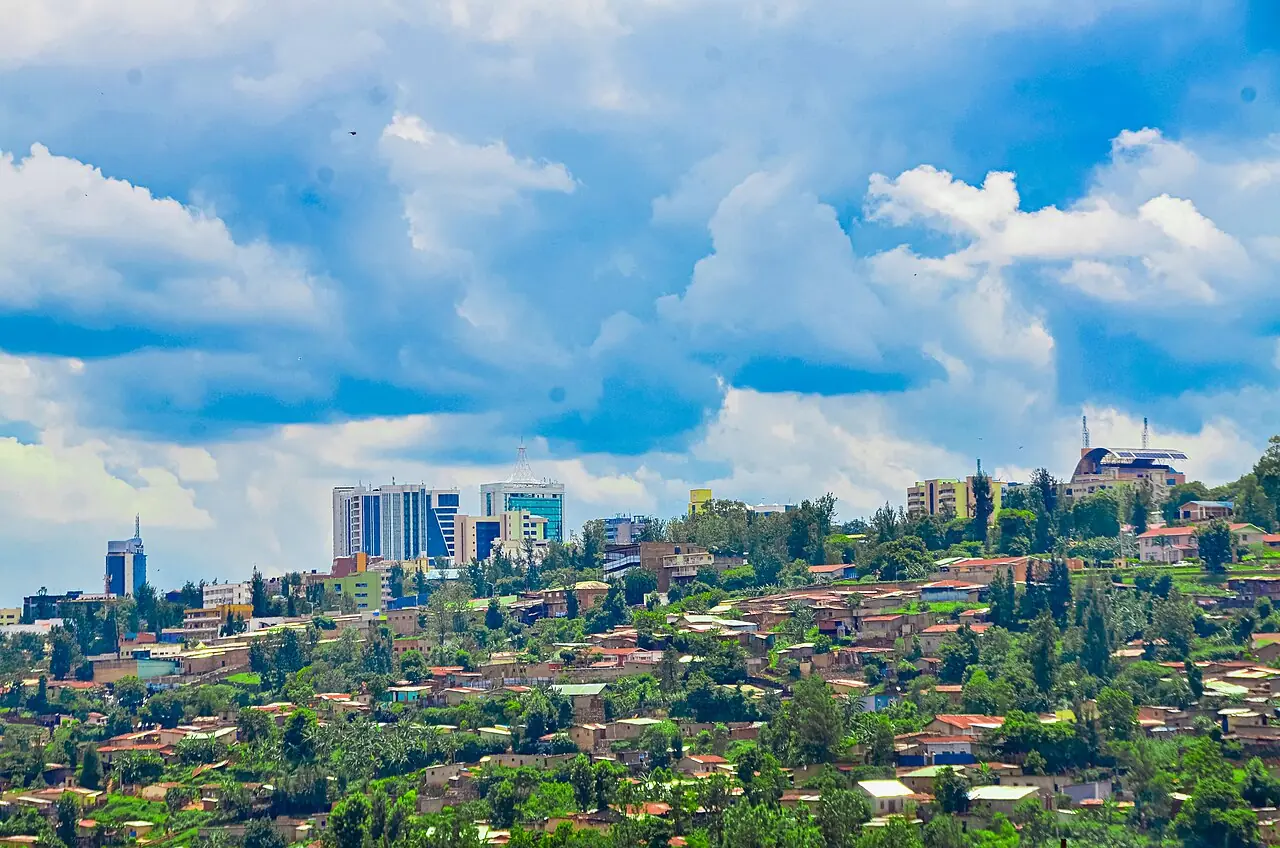 Photo: GATETE Pacifique · CC BY-SA 4.0
Published by Adama Doumbia, founder of Afrique Unie · updated 28 November 2026 · our method and sources
Why visit Kigali?
Kigali sprawls across a succession of hills and valleys, with its residential districts on the ridges and cultivated marshland in the hollows. The Rwandan capital surprises you with its cleanliness, its well-kept pavements, its flower-lined streets and its calm, even at rush hour. It has changed a great deal since the 2000s: office towers, a convention centre crowned with a glowing dome, pedestrian zones, cafés and art galleries have transformed the city's image.
It is also the place you come to understand the country's history. The Kigali Genocide Memorial at Gisozi, where more than two hundred and fifty thousand victims are laid to rest, presents an understated and harrowing exhibition on the origins, course and consequences of the genocide against the Tutsi in 1994. Other memorial sites, in the city and its surroundings, take this reflection further.
But Kigali is also a lively and creative city. Kimironko market is packed with fabrics, fruit and woven baskets, the Nyamirambo district buzzes late into the night, and a scene of cafés, fashion designers and contemporary artists is growing. It is a pleasant capital in which to begin or end a trip.
Things to do in Kigali: 6 ideas
- 01The Genocide MemorialDevote at least half a day to the Gisozi memorial, its gardens and its exhibitions, to understand and to reflect.
- 02Kimironko MarketHave an outfit made to measure in printed fabrics and hunt for agaseke baskets.
- 03Nyamirambo on footDiscover this working-class, cosmopolitan district, with its colourful façades, its mosque and its little restaurants.
- 04The Campaign Against Genocide MuseumLearn, in the Parliament building, how the genocide was brought to an end in 1994.
- 05A cup of Rwandan coffeeSettle down in a café in the centre to taste a specialty coffee from the country's hills.
- 06Mount KigaliClimb to the heights above the city in the late afternoon to admire the view over the hills.
Kigali in 3 days: the perfect itinerary
Where to stay in Kigali
Kiyovu, near the centre, is a quiet, leafy district with hotels and guesthouses, a few minutes from the main sights. Residential Kimihurura and Kacyiru are home to ministries, embassies and good restaurants. Nyarutarama, further out, is an affluent area with villas, guesthouses and a golf course. Kimironko is handy for its market and shops. Nyamirambo, more working-class, offers a lively atmosphere and simple, authentic places to stay. Crime is relatively low, but the country remains under heightened vigilance: wherever you stay, avoid walking alone at night on deserted or poorly lit streets.
Frequently asked questions
How many days should I spend in Kigali?
Two days are enough for the genocide memorial, the Campaign Against Genocide Museum, Kimironko market and a walk around Nyamirambo. Kigali then makes a good base for Volcanoes National Park, Akagera or Lake Kivu.
Is Kigali safe?
Crime is relatively low and the terrorist risk is considered low, but the country remains under heightened vigilance. France reports bag-snatching and pickpocketing in busy areas and advises against walking alone at night on poorly lit streets. The UK points out that some poorly signposted military zones are off limits.
How do I get from the airport to central Kigali?
The international airport, at Kanombe, is about 10 km east of the centre: allow 20 to 30 minutes by taxi. Health screening linked to the Ebola outbreak in the DRC may be in place on arrival. With luggage, take a car taxi rather than a motorbike taxi.
Should I use motorbike taxis in Kigali?
It's better not to: France advises using car taxis rather than motorbike taxis, day and night, and the UK notes that they are very vulnerable to accidents. If you do take one, a helmet is compulsory. Taxi apps and cars booked through your accommodation are the easiest options.
What should I know before arriving in Kigali?
Plastic bags are banned in Rwanda and may be confiscated on arrival, and e-cigarettes are banned too. On the last Saturday of the month, umuganda, a morning of community work, brings the city almost to a halt. Visa and Mastercard are accepted in many shops and there are plenty of cash machines.



 Rwanda