AfriqueUnie
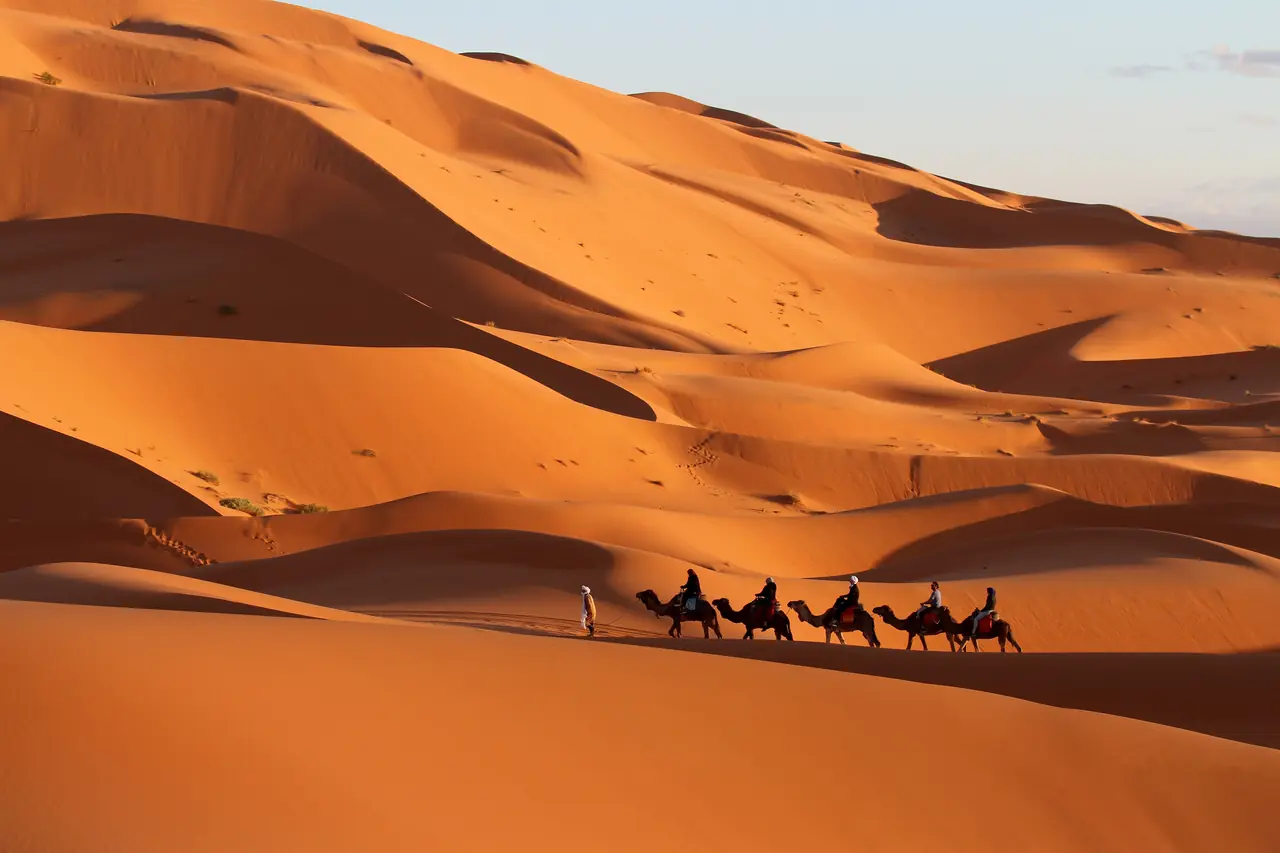 Photo: Merzougaloisirs · CC BY-SA 4.0
Published by Adama Doumbia, founder of Afrique Unie · updated 28 November 2026 · our method and sources
Light in Africa: it is all about early morning and late afternoon
Near the equator, the sun rises and sets almost perpendicular to the horizon. As a result, dawn and dusk are shorter than in Europe. At the equator, civil twilight can last as little as 24 minutes, compared with 33 to 48 minutes in London depending on the time of year. The golden hour, that warm, low light every photographer chases, goes by very quickly: be in position, settings ready, before sunrise or sunset.
In the middle of the day, the tropical sun is almost directly overhead. The light is harsh, shadows fall straight down and colours look washed out. Use those hours for interiors, covered markets, portraits in the shade, or simply a siesta.
Further north (Morocco, Egypt) and further south (Namibia, South Africa), the golden hour lasts a little longer. An app showing the time and direction of sunrise and sunset helps you choose your viewpoint the day before.
North and West Africa: lanes, deserts and memory
- Chefchaouen (Morocco): The "Blue City" of the Rif, with houses and alleys painted blue and white. Come early in the morning, when the light is soft and the streets are still quiet. Best season: March to May and September to November. Residents do not always like being photographed outside their homes, so ask before framing anyone.
- Erg Chebbi, near Merzouga (Morocco): Dunes rising up to about 150 metres above the stony desert. At sunrise the sand shifts from orange to gold and every ridge draws a crisp line of shadow. Spring and autumn are best, as summer is extremely hot. A desert camp puts you on the dune before dawn.
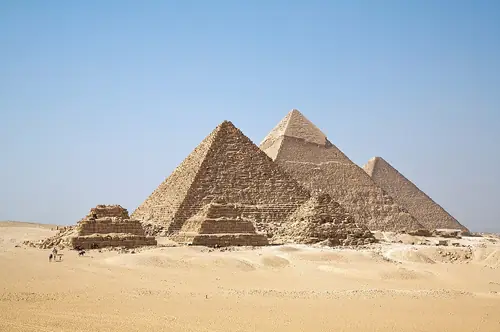
- Pyramids of Giza (Egypt): The three great pyramids and the Sphinx on the Giza plateau. Arrive at opening time for low light and fewer people; the panoramic viewpoint on the plateau lets you line up the pyramids. Best season: October to April. Drones are banned without prior permission from the Egyptian authorities.
- Luxor and Abu Simbel (Egypt): In Luxor, hot-air balloons take off at sunrise over the West Bank and the Valley of the Kings, a sight to photograph from the air or from the ground. At Abu Simbel, the sun reaches the sanctuary around 22 February and 22 October, and those days draw crowds. Best season: October to April.
- Lac Rose (Senegal): Lake Retba, about 35 km north-east of Dakar, owes its colour to a microscopic alga. The pink is strongest in the dry season, especially from late January to early March. The salt collectors and their pirogues make great subjects, but always ask first. The colour varies from year to year.
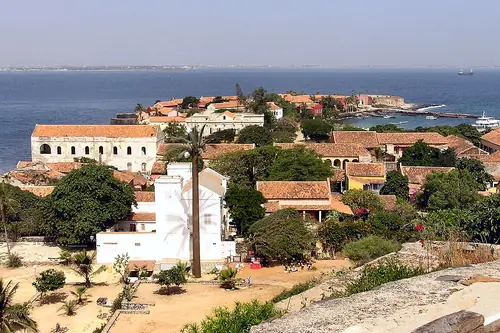
- Gorée Island (Senegal): Ochre and red facades, bougainvillea and car-free lanes, a short ferry ride from Dakar. Late-afternoon light warms the colours. The House of Slaves is a place of remembrance: historians debate its actual role in the slave trade, but its symbolic value remains immense. Photograph it with restraint. Best season: November to May.
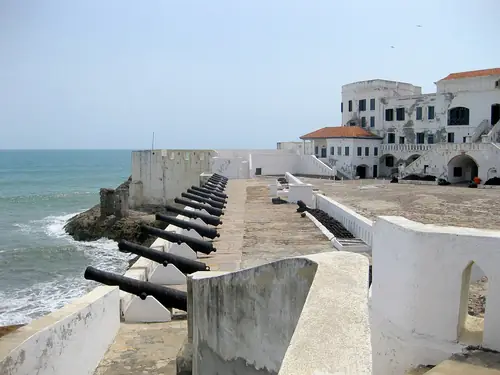
- Cape Coast (Ghana): The white Cape Coast Castle, listed with Ghana's other forts as a UNESCO World Heritage Site, overlooks the fishermen's colourful canoes. In the morning the beach comes alive as the boats return. The dungeons and the "Door of No Return" are places of reflection, so follow your guide's instructions. Best season: November to March.
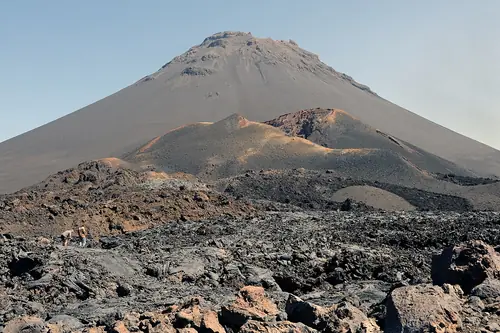
- Fogo Island (Cape Verde): An active volcano, Pico do Fogo, rises to 2,829 metres above the Chã das Caldeiras caldera, where villages were rebuilt after the 2014-2015 eruption. Set off before dawn to climb the cone with a guide and catch the first light on the black lava flows. Best season: November to June.
Southern Africa and the Indian Ocean: dunes, water and granite
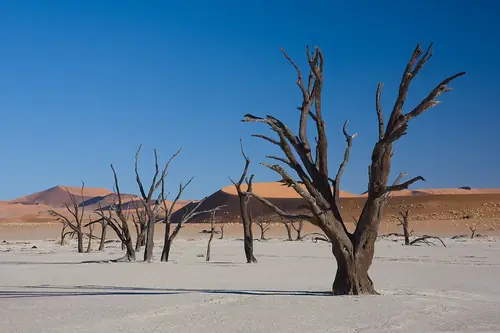
- Sossusvlei and Deadvlei (Namibia): Orange dunes among the highest in the world and, at Deadvlei, camel thorn trees that died several centuries ago, black against white clay. Morning is the best time: shadows on the dunes are strong and the heat still bearable. Access is through Sesriem gate, which normally opens around sunrise: check the current opening times before you go. Best season: May to October.
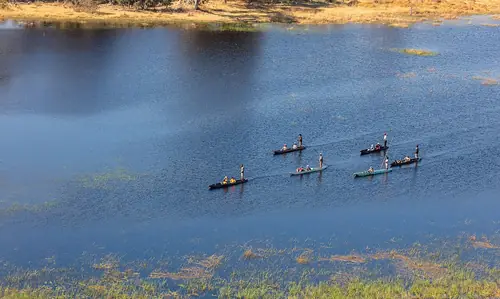
- Okavango Delta (Botswana): A vast inland delta, explored by mokoro (traditional dugout canoe) or from a light aircraft. The flood peaks from June to August, in the middle of the dry season, spreading water and drawing wildlife. Morning and evening flights give the finest reflections. Best season: May to October.
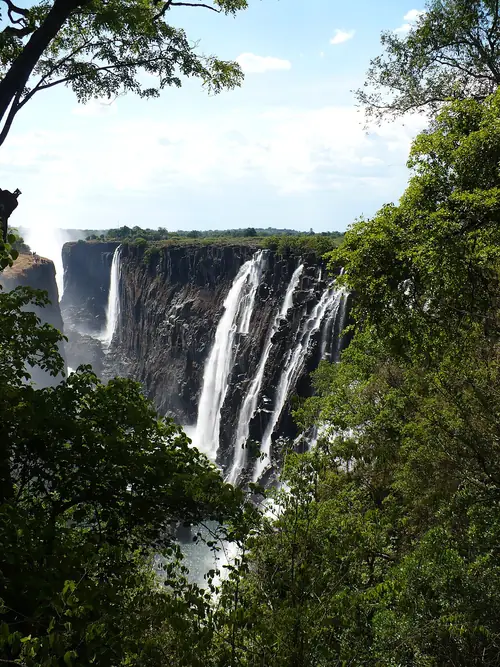
- Victoria Falls (Zambia and Zimbabwe): "The smoke that thunders", on the border between the two countries. At high water (February to May, peaking in April), the spray is so dense that it hides part of the falls. In the dry season (May to October) the view is clearer, though up to half of the rock face can run dry between September and January, especially on the Zambian side. Rainbows appear when the sun is behind you, and a lunar rainbow is sometimes visible at full moon.
- Table Mountain and Bo-Kaap (South Africa): In Cape Town, Table Mountain dominates the city; Lion's Head, reachable on foot, offers a superb view at sunset. Below, Bo-Kaap lines up its brightly coloured houses on the slopes of Signal Hill. It is a lived-in neighbourhood and the historic heart of Cape Malay culture, so be discreet and do not pose on people's doorsteps. Best season for Cape Town: November to March.
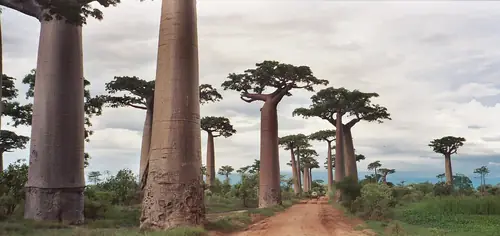
- Avenue of the Baobabs (Madagascar): Around twenty Grandidier's baobabs, some 30 metres tall, line the dirt road near Morondava. Sunset, with the trees silhouetted against an orange sky, is the classic shot; sunrise is quieter. Best season: April to November, when the tracks are passable.
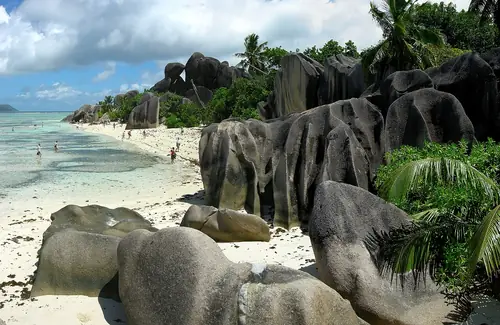
- Anse Source d'Argent, La Digue (Seychelles): White sand, turquoise water and sculpted granite boulders: one of the most photographed beaches in the world. Lying on the south-west coast, it takes on lovely light in the late afternoon. Access is through the former L'Union plantation, which charges an entrance fee. Low and high tide change the scene a great deal, so check the tide times. Best season: April to May and October to November.
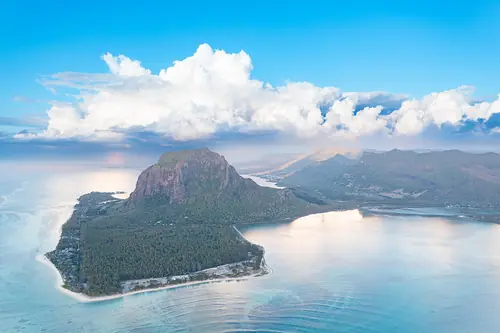
- Le Morne Brabant (Mauritius): A 556-metre monolith, a World Heritage Site for its memory of escaped slaves, rising above a turquoise lagoon. Seen from the air, by seaplane or helicopter, the nearby coast creates the illusion of an "underwater waterfall", caused by sand and silt deposits. From the ground, sunset over the mountain is magnificent. Best season: May to December.
East Africa: volcanoes, savannah and old towns
- Kilimanjaro from Amboseli (Kenya): Amboseli National Park offers the most famous view of Kilimanjaro, with elephants in the foreground. The summit is often clear early in the morning and late in the afternoon, then disappears into cloud during the day. Best season: July to October and January to February. Stay in your vehicle and follow park rules.
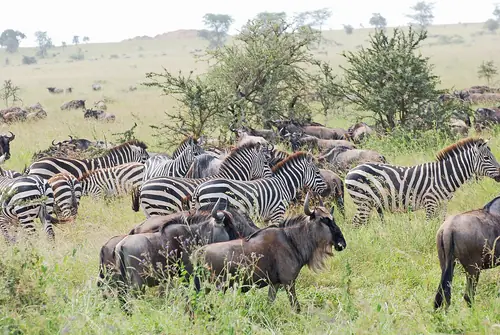
- Masai Mara National Reserve (Kenya): The great wildebeest migration usually arrives from the Serengeti around July and heads back around October; crossings of the Mara River are unpredictable and call for patience. Big cats are most active at sunrise and sunset, when the light is best. Respect the rules on distance and off-road driving.
- Ngorongoro Crater (Tanzania): A huge volcanic caldera teeming with wildlife and listed as a World Heritage Site. From the rim, morning mist or cloud can veil the crater; head down early to make the most of the soft light. Best season: June to October and January to February.
- Stone Town, Zanzibar (Tanzania): The old town, a World Heritage Site since 2000, is famous for its carved wooden doors: rounded in the Indian style or rectangular in the Omani style. Wander in the morning, then head to the seafront for sunset. Dress modestly and always ask before photographing anyone, especially women. Best season: June to October and January to February.
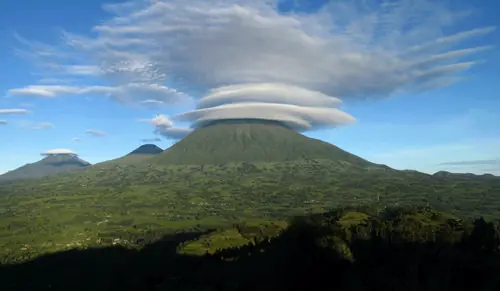
- The hills of Rwanda: The "land of a thousand hills" is best photographed early in the morning, when mist drifts between the ridges, the tea plantations and the shores of Lake Kivu. Flash is not allowed on gorilla treks. Best season: June to September and December to February.
Photographing people respectfully
A good portrait starts with a conversation. Say hello, gesture towards your camera and wait for a sign of agreement. Accept a refusal without insisting. A few words in local languages (salam, jambo, nanga def) often open doors.
Avoid "stealing" shots with a long lens and then holding out money to someone who asked for nothing: always ask first. If a person sets a condition before the photo, it is up to you to decide with your eyes open.
Take extra care with children: ask a parent or responsible adult, avoid photos of children undressed or in degrading situations, and think twice before posting them on social media. In places of worship, markets and ceremonies (weddings, funerals), check before taking out your camera. Above all, do not treat poverty as a backdrop: everyone is entitled to their dignity.
Rules and restrictions: drones, sensitive sites, parks
In many African countries it is forbidden to photograph government buildings, military installations, airports, bridges, ports and the security forces. The UK government notes, for example, that in Kenya it is illegal to photograph official buildings, including embassies, or to take photos at airports, and that you could be arrested. In Morocco, photography near sensitive political or military sites is illegal. In Madagascar, you are advised not to photograph security personnel.
Drones are tightly regulated, or banned, in several countries. In Egypt, importing or using one without prior permission from the Ministry of Defence is illegal. Egypt's photography rules are strict too: written consent is required to photograph an Egyptian citizen, and photographing children or military sites (including the Suez Canal) is prohibited. In Kenya, importing a drone requires prior approval from the civil aviation authority; in Morocco, you need permission from the civil aviation directorate to fly one. In many national parks and protected sites, flying is banned or requires a permit. Before you go, check the rules with the country's civil aviation authority and read your government's travel advice.
Follow the rules at each site too: some museums, tombs and memorials ban photography or flash, and a few sites charge a separate camera fee. Finally, do not photograph or film demonstrations: in Tanzania, it is actually illegal.
Gear: dust, heat and batteries
- Dust and sand: Change lenses as little as possible, with your back to the wind or inside the vehicle. A versatile zoom saves a lot of swapping. Bring a blower, microfibre cloths and a dry bag or cover to protect your camera in the desert and on safari.
- Heat and humidity: Never leave your camera in the sun on the dashboard. In humid regions, moving from an air-conditioned room to the outdoors causes condensation: let the camera adjust in its bag for a few minutes. For Victoria Falls or sea spray, pack a rain cover.
- Batteries and memory cards: Power can be scarce in the bush and at remote camps. Bring several batteries, an in-car charger or a power bank, and spare memory cards. Back up your images every evening to a second device.