AfriqueUnie
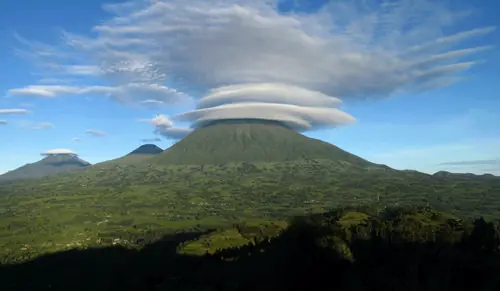
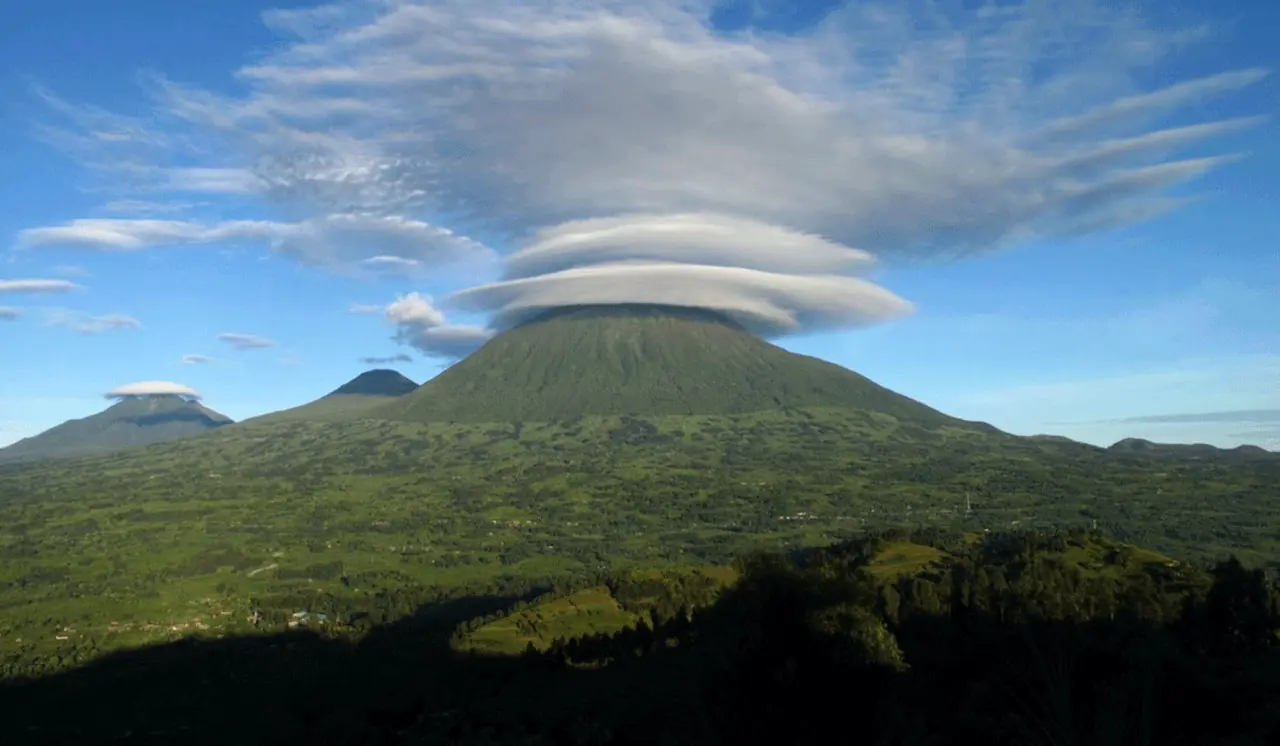 Photo: Volcanoes National Park · CC BY-SA 4.0
Published by Adama Doumbia, founder of Afrique Unie · updated 28 November 2026 · our method and sources
Daily budget
These are rough figures per person per day, excluding the international flight. They cover accommodation (two people sharing a room), meals and local transport.
On a tight budget, allow roughly €40 to €70, staying in hostels or simple guesthouses, eating local food and using the buses, which link the towns well. For a comfortable trip, allow about €120 to €250, in good hotels with a car and driver. At the top end, allow €500 or more, and much more in the luxury lodges around Volcanoes National Park.
These figures do not include the gorilla permit, which on its own costs as much as several days of comfortable travel.
What is expensive and what costs next to nothing
- Gorilla permit: The official Visit Rwanda website (visitrwanda.com) gives 1,500 US dollars per person for one hour with the gorillas in Volcanoes National Park, from age 15. Seasonal discounts are sometimes offered: check the conditions on the Rwanda Development Board (RDB) booking portal before you book, several months ahead in high season.
- Other parks: Akagera (safari) and Nyungwe (chimpanzees, forest) have their own entry fees and paid activities, far cheaper than the gorillas. See visitrwanda.com.
- Accommodation: Affordable in Kigali and small towns, very expensive in the lodges near the parks.
- Local meals: A local buffet or a skewer with plantains in a local restaurant costs a few euros.
- Transport: Intercity buses are cheap and frequent. A car and driver, often essential for the parks, costs more.
Money: Rwandan francs, cards and mobile payment
The currency is the Rwandan franc (RWF). Cash machines are plentiful in Kigali and found in other towns, but scarce near the parks. Cards are accepted in hotels, lodges, supermarkets and many restaurants in Kigali.
Lodges and tour operators accept US dollars: bring recent notes in good condition. Mobile payment (MTN MoMo, Airtel Money) is widely used; it needs a local SIM card registered with your passport and is mainly useful on a long stay.
Tipping is expected for guides, trackers and porters on the gorilla trek: ask your operator what is customary and bring the amount in cash.
Visa and passport
Information checked in November 2026. These rules can change: read the official sources again before you travel.
French and British travellers get a free single-entry tourist visa on arrival, valid for 30 days. According to Rwanda's immigration service (migration.gov.rw), the fee is waived for nationals of African Union, Commonwealth and Francophonie countries, including France, the United Kingdom and Canada. Travellers from other countries normally pay 50 dollars. The visa can also be applied for in advance on the official portal, irembo.gov.rw.
To stay longer, the French foreign ministry mentions a paid 30-day extension from the immigration office in Kigali. Each time you leave the country, you need a new visa.
East Africa Tourist Visa: to combine Rwanda with Uganda and Kenya, this visa costs 100 dollars and allows 90 days of multiple entries across the three countries. Kenya has replaced its visa with an electronic travel authorisation (eTA), so check with the authorities how the two schemes fit together before relying on it.
Passport: it must be valid for at least six months on the date you enter.
Ebola: an outbreak caused by the Bundibugyo virus has affected the neighbouring Democratic Republic of the Congo since 2026. Rwanda has reported no cases but has stepped up health checks at Kigali airport and at its borders. A Rwanda Development Board notice published in June 2026 said foreign nationals who had been in or transited through the DRC in the previous 30 days would be refused entry. Check whether this measure still applies.
Health and vaccinations
Yellow fever: according to the Rwanda Biomedical Centre (RBC), a certificate is required of travellers arriving from a country where the disease is present or where there is an outbreak. In principle it is not required for a direct flight from Europe. If you are combining your trip with Uganda or another country at risk, get vaccinated at a designated yellow fever centre at least ten days before you leave.
Malaria is present across much of the country, with a lower risk at altitude. Bite avoidance and preventive medication should be decided with a doctor, according to your route.
Check your routine vaccines and ask about hepatitis A, typhoid and rabies. The gorilla trek requires reasonable fitness: visitors who are ill, even with a cold, may be turned away to protect the animals.
Before you go: the checklist
- Gorilla permit: Book through the Rwanda Development Board portal or a licensed operator, several months ahead.
- Visa: Free on arrival for French and British nationals; you can also apply in advance on irembo.gov.rw.
- Passport: Six months' validity on entry.
- Health: A travel clinic for yellow fever and malaria; check the Ebola measures, especially if you travel via the DRC.
- Official sources: The Rwanda page on gov.uk/foreign-travel-advice, migration.gov.rw and the Rwanda page of « Conseils aux voyageurs » on diplomatie.gouv.fr: take care near the border with the DRC.
- Plastic bags: Plastic bags are banned in Rwanda and can be confiscated on arrival. Keep insurance that covers repatriation as well.