 AfriqueUnie
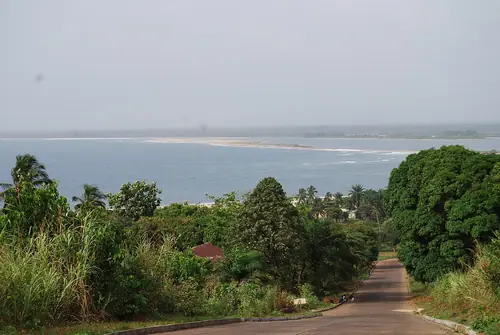
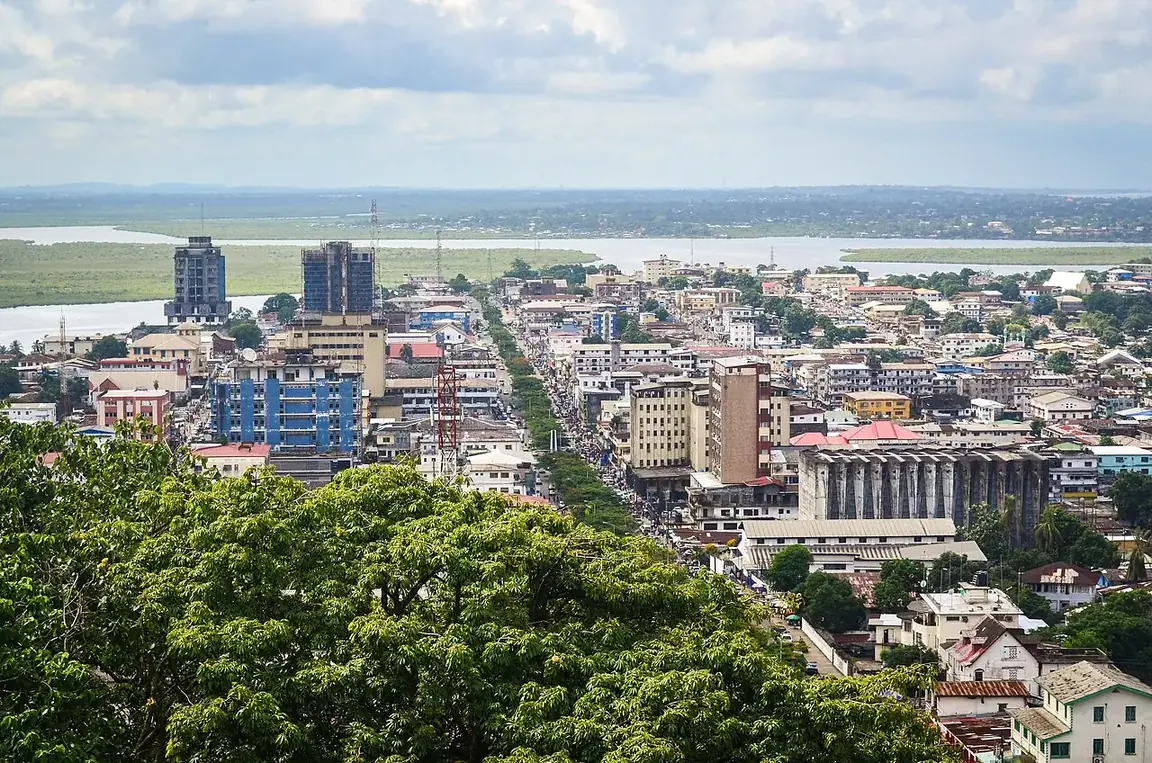 Photo: blk24ga · CC BY 3.0
Published by Adama Doumbia, founder of Afrique Unie · updated 28 November 2026 · our method and sources
Why visit Monrovia?
Monrovia stretches along a long peninsula between the Atlantic Ocean and the estuary of the Mesurado River. Its name honours the American president James Monroe, and the city still bears traces of that lineage: white clapboard churches, broad avenues, old verandaed houses and an accent reminiscent of the American South. It also carries the scars of war, still visible in a few abandoned buildings, but it breathes an energy of rebuilding.
The Mamba Point district, up on the heights, overlooks the city with the ruins of the former Ducor Hotel, once one of the most prestigious in West Africa. Below spreads the centre, around Broad Street, with its government offices and shops. Further on, Providence Island, in the estuary, marks the spot where the first settlers landed in 1822, a founding site of the nation's history.
Waterside market, on the riverbank, is the commercial soul of the city: a maze of alleys selling wax-print cloth, fruit, smoked fish, plastic goods and spare parts. In the evening, the beaches of Sinkor and the seafront neighbourhoods come alive with bars and grills.
Things to do in Monrovia: 6 ideas
- 01Visit Providence IslandMake your way to this small place of remembrance in the middle of the estuary to understand the arrival of the first settlers.
- 02Dive into WatersideSqueeze through the bustling market, ideally in the morning, for its colours and its smells of smoked fish and spices.
- 03Take in the city from Mamba PointClimb up near the ruins of the Ducor for a view over the ocean, the city and the estuary.
- 04Discover the National MuseumOn Broad Street, explore collections devoted to the country's history and to the arts of its various peoples.
- 05Get some air on the beachAt the end of the day, head for the beaches of Sinkor or ELWA to watch the sunset and eat grilled fish.
- 06Listen to Liberian musicLook for a hipco gig, rap in Liberian English, or catch gospel on a Sunday in one of the many churches.
Monrovia in one day
- 01MorningStart at Providence Island, in the Mesurado estuary, where the first settlers established themselves in 1822: a key place for understanding how the country was born. Come with a trusted driver and a guide, and stay away from nearby West Point, a district the French Foreign Ministry advises avoiding.
- 02LunchHave lunch at a cook shop in the centre or Sinkor, a small canteen serving the dishes of the day: rice with potato greens, palm butter with smoked fish or a fiery pepper soup. Wash it down with homemade ginger beer. Choose a busy place and well-cooked food.
- 03AfternoonVisit the National Museum on Broad Street, devoted to the country's history and the arts of its many peoples, then take a drive towards Capitol Hill, home to the main state institutions. Do not photograph official buildings without permission, and keep your belongings out of sight in the car.
- 04EveningHead up to Mamba Point, the embassy district, for views over the ocean and the city near the ruins of the Ducor Hotel, then have dinner in the area. With poorly lit streets, the French Foreign Ministry advises against walking at night, so return with your driver, doors locked.
A second day in Monrovia
- 01MorningSpend the morning in Mamba Point, this time by day, to take a closer look at the old Ducor Hotel and the Masonic Temple, two landmarks of Americo-Liberian history. Go with someone who knows the area and admire them from outside, without entering the ruined buildings.
- 02LunchHead to Sinkor for lunch on rice with cassava-leaf sauce or jollof rice. Take the chance to withdraw dollars at a bank and get small notes, which are very useful day to day. Sinkor is also where most hotels and handy shops for travellers are found.
- 03AfternoonSpend the afternoon on a beach in the south-east of the city, such as ELWA, walking on the sand and watching the fishermen. The French Foreign Ministry warns that currents along the coast are strong: always stay within your depth and close to the shore. Never leave your things unattended, as the UK Foreign Office reports thefts on beaches, even during the day.
- 04EveningWatch the sunset over the ocean with some grilled fish, then head back with your driver before it gets fully dark. On Sunday morning, do not miss a Mass or gospel service at one of the city's many churches, a truly Liberian experience.
A little history
In 1822, freed African American settlers sent by the American Colonization Society settled on Cape Mesurado, after first stopping on Providence Island. In 1824 the town was named Monrovia in honour of US President James Monroe, who backed the scheme. On 26 July 1847 Liberia declared independence, becoming Africa's first republic. For over a century an Americo-Liberian elite ruled the country from Monrovia, which acquired churches, a Capitol and houses modelled on those of the American South.
Samuel Doe's coup in 1980 brought that order to an end; it was followed by two civil wars, from 1989 to 2003, which devastated the city. In 2006 Ellen Johnson Sirleaf became the first woman elected head of state in Africa, then the Ebola epidemic hit Monrovia hard in 2014. The city has been rebuilding ever since, with new buildings alongside ruins that are still visible, such as the former Ducor Hotel above Mamba Point.
What to eat in Monrovia
Liberian food is hearty and often very spicy. Rice goes with almost everything: cassava leaf sauce, potato greens made from sweet potato leaves, and palm butter, a thick palm-nut sauce, all simmered with smoked fish, chicken or meat. Jollof rice is served at celebrations, while fufu or dumboy, made from cassava, comes with pepper soup, a scorching fish or meat broth.
On the streets you'll find fritters, fried plantain and skewers. To drink, fiery home-made ginger beer and palm wine are typical, as are beers brewed in Liberia. To eat, try the cook shops, small canteens serving dishes of the day at lunchtime, the stalls of Waterside Market and the grills of the seafront districts in Sinkor.
Where to stay in Monrovia
Mamba Point, on the heights, is home to embassies, hotels and restaurants: a safe, convenient area with sea views. Sinkor, further south-east along Tubman Boulevard, has plenty of hotels, guesthouses and shops, as well as access to the beaches. Congo Town, further out, offers quieter residential options. Avoid staying in the commercial centre, which is noisy by day and dead at night.
Getting there and getting around
Roberts International Airport (code ROB) is at Harbel, about 55 kilometres south-east of Monrovia, around an hour's drive and longer at rush hour. Arrange your transfer with your accommodation, especially if you land at night. The small Spriggs Payne Airport, in the Sinkor district, mainly handles regional and private flights.
In town, keke, motorised tricycles, and shared taxis are the most common way to get around; France Diplomatie, however, advises against public transport, keke included, and a driver recommended by your accommodation remains the safest option, especially in the evening. Both the Liberian dollar and the US dollar are in use: bring US dollars in recent notes and small denominations. ATMs are mainly found at banks in the centre and Sinkor, and cards are rarely accepted outside the large hotels.
France Diplomatie places Monrovia under heightened vigilance, advises avoiding West Point, Somalia Drive, Red Light and the big markets such as Omega, and advises against all but essential travel to the border areas with Sierra Leone (Grand Cape Mount, Gbarpolu and Lofa counties) and Côte d'Ivoire (southern Nimba, Grand Gedeh, River Gee and Maryland). Crime is high in the capital, with robberies that can turn violent: avoid walking alone at night, as streets are poorly lit, and keep away from demonstrations. On the beaches, watch out for dangerous currents. The best time to visit is November to April: Monrovia is one of the wettest capitals in the world, especially from May to October.
See places to stay in Monrovia
Frequently asked questions
How many days do you need in Monrovia?
Two days are enough for Providence Island, the National Museum, Waterside Market and the view from Mamba Point. Add a day or two to get out of town, to the beaches of Robertsport or Lake Piso.
Is Monrovia dangerous?
France Diplomatie places Monrovia under heightened vigilance, and crime is high, particularly theft. During the day, Mamba Point and Sinkor, where most visitors stay, can be explored if you stay alert, though foreigners have been mugged there; avoid West Point and the big markets. In the evening, travel with a trusted driver and avoid poorly lit areas.
When is the best time to visit Monrovia?
From November to April, the dry season, roads are passable and the beaches are pleasant. The rainy season, from May to October, brings torrential downpours, especially in June and July, which make travel outside the city harder.
What is there to see around Monrovia?
Robertsport, a few hours to the north-west, is known for its surf and nearby Lake Piso. Near the airport, the Harbel area is home to vast rubber plantations. Further inland, the country's forests, such as Sapo National Park, call for a proper expedition.
What is there to do in Monrovia in the evening?
Nightlife centres on Sinkor, especially in the Airfield area around Spriggs Payne Airport, and on Mamba Point, with restaurants, bars and hipco concerts. The French Foreign Ministry advises against travelling at night and walking, so go out with a trusted driver who waits for you and brings you back, and stay alert, as the UK Foreign Office reports muggings of foreigners in Mamba Point and Sinkor.
Can you swim in Monrovia?
Only with great care: the French Foreign Ministry warns that Liberia's Atlantic coast is dangerous for swimmers, with strong currents that can stop you getting back to shore. Always stay within your depth, never swim alone and choose busy beaches in the south-east of the city, by day.
 Liberia