 AfriqueUnie
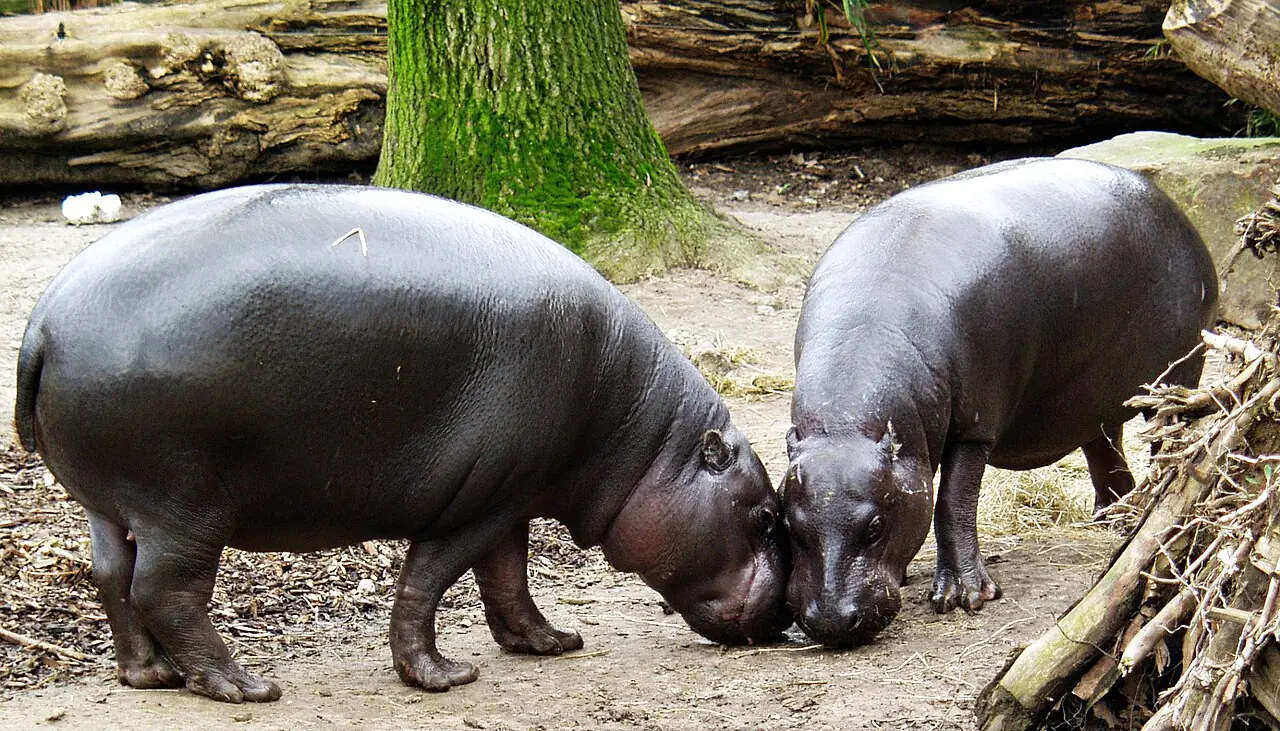 Photo: Raimond Spekking · CC BY-SA 4.0
Published by Adama Doumbia, founder of Afrique Unie · updated 28 November 2026 · our method and sources
Why go
Created in the 1980s in Sinoe County, in the south-east of the country, Sapo National Park protects Liberia's largest expanse of primary rainforest. It is a land of dense forest, rivers and hills, one of the last refuges for Upper Guinean wildlife. Here you'll find forest elephants, chimpanzees, duikers, many monkeys and, above all, the pygmy hippo, emblem of Liberian conservation.
The park suffered during the civil war, but today it is monitored and studied by the authorities and conservation organisations. Tourism is still very low-key: there is no conventional visitor infrastructure, and every visit feels like an expedition. The reward is a rare immersion in an almost untouched forest, where animal tracks often count for more than actual sightings.
Getting there
From Monrovia, reaching the park takes one to two days on the road depending on the state of the tracks, usually via Greenville or through the interior. A four-wheel drive, an experienced driver, a convoy of at least two vehicles and advance arrangements with the park authorities are essential; never drive at night. The UK government urges particular caution in Sapo National Park and the Sinoe rubber plantation because of land disputes, illegal mining and possible groups of former combatants.
Frequently asked questions
Can tourists visit Sapo National Park?
Yes, but there are no conventional tourist facilities, so every visit is organised like an expedition. Contact Liberia's Forestry Development Authority, which manages the park, or conservation organisations working there well in advance to obtain permits and support. Bring camping equipment and supplies.
Is Sapo National Park safe?
The UK government urges particular caution in Sapo National Park and the nearby Sinoe rubber plantation because of land disputes, illegal mining and possible groups of former combatants. The French government rates the area as a heightened-vigilance zone, advises against travelling at night and points out that medical care is non-existent outside Monrovia. Check the situation before you set off and take out insurance that covers repatriation.
When should you go to Sapo National Park?
Only in the dry season, from December to April, when the tracks are passable. Torrential rain for the rest of the year makes roads impassable and can cause flooding. According to the French government, heavy rain can last into December, so early in the season check the state of the tracks and expect delays.
What animals can you see in Sapo National Park?
The park is home to forest elephants, chimpanzees, duikers, many monkeys and above all the endangered pygmy hippopotamus, of which Sapo holds Liberia's largest population. The animals are shy and the forest is dense, so you will often see more tracks than animals. Patience and a good local tracker are essential.
How do I get to Sapo National Park from Monrovia?
Allow one to two days by road depending on the state of the tracks, usually via Greenville, the nearest town, or through the interior. You need a four-wheel-drive vehicle, an experienced driver and, as most foreigners do, a convoy of at least two vehicles. Stick to the main roads and never drive at night.
 Côte d'Ivoire
 Ghana
 Guinea