AfriqueUnie
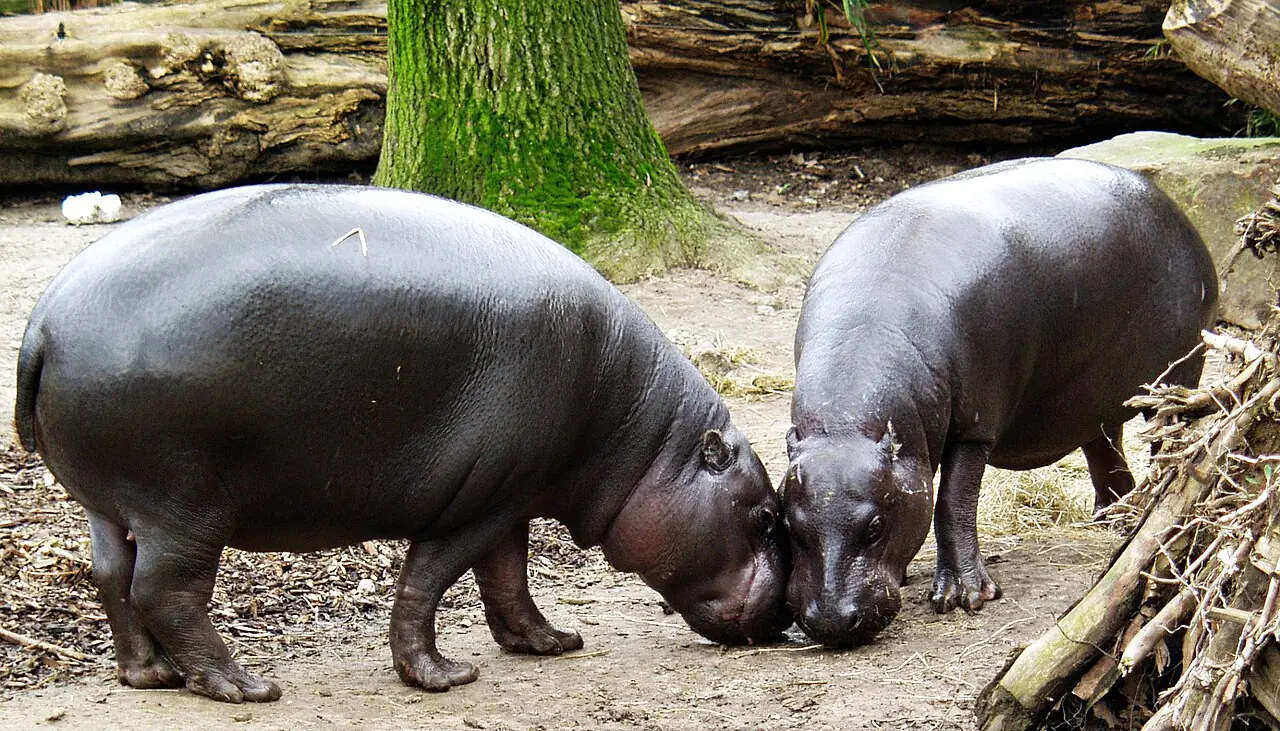 Photo: Raimond Spekking · CC BY-SA 4.0
Published by Adama Doumbia, founder of Afrique Unie · updated 28 November 2026 · our method and sources
Daily budget
These are rough figures per person per day, excluding the international flight, visa and vaccines. They cover accommodation (two people sharing a room), meals and local transport. Tourism is undeveloped and price data is scarce: treat them as estimates.
On a tight budget, allow roughly €50 to €80, staying in simple guesthouses and eating in local canteens. For a comfortable trip, allow about €120 to €220, in a good Monrovia hotel, with a car and driver for part of the journeys. At the top end, allow €280 or more, in Monrovia's business hotels or on an organised tour inland.
Monrovia is expensive for accommodation, as it mainly caters for international organisations and business travellers. Outside the capital, roads and fuel make any journey costly.
What is expensive and what costs next to nothing
- Accommodation in Monrovia: The biggest cost, often charged in US dollars. Hotels are concentrated in Mamba Point and Sinkor.
- Airport transfer: Roberts International Airport is 58 km from Monrovia with no public transport, according to the French foreign ministry: arrange to be met by someone you trust.
- Car and driver: The French foreign ministry recommends a 4x4 and a driver who knows the country, as most roads off the main routes are dirt tracks. This is what drives up the cost of a tour.
- Local meals: Rice, cassava-leaf or potato-leaf sauces and fish cost little in local canteens. Expat restaurants and imported goods are expensive.
- Nature: Robertsport and its surf, Lake Piso or Sapo National Park need private transport and often a guide: share them.
Money: Liberian dollars, US dollars and cash
Two currencies circulate: the Liberian dollar (LRD) and the US dollar (USD). Hotels, transfers and many services are priced in US dollars; local currency is mainly used for small purchases.
The French foreign ministry recommends getting US dollars before you leave, as cash machines are not always stocked or working. According to the UK government, a few cash machines in Monrovia accept Visa cards, including at the two main hotels used by international visitors. Bring recent notes in good condition.
Cards work in large hotels and some supermarkets when the connection allows; elsewhere you pay cash. Mobile money (Orange Money, MTN MoMo) exists but is not accepted everywhere and needs a local SIM card.
According to the UK government, you must declare cash of 10,000 dollars or more on entry, and you cannot take more than 7,500 dollars in cash out of the country.
Visa and passport
Information checked in November 2026. These rules can change: read the official sources again before you travel.
A visa is required for British and French nationals. The UK government says British citizens should apply through the Liberian Embassy in London. The French foreign ministry gives the same route via the relevant Liberian embassy for French residents, and says those living where Liberia has no embassy apply on the Liberia Immigration Service website, the only authorised site; beware of fraudulent ones.
Since March 2025, the Liberia Immigration Service has also offered an electronic "visa on arrival", applied for online before departure on its portal and then affixed in the passport at the airport after fingerprints are taken. Secondary sources quoting the portal give a fee of 102.50 US dollars, and some nationalities are reported to be ineligible. We could not confirm this on the portal itself: check your eligibility and the fee before paying.
The UK government says your passport must have at least six months' validity when you apply, and that a stay can be extended in the country by up to 60 days at the immigration office in Monrovia, for 25 dollars. The French foreign ministry asks for six months' validity after the planned return date and a return ticket.
Other Europeans, Swiss and Canadian nationals also need a visa according to the sources we consulted: only ECOWAS nationals are exempt. Since May 2026, Liberia has applied enhanced health screening on arrival because of the Ebola outbreak in the DRC and Uganda; you may be asked for health information.
Health and vaccinations
Yellow fever: the US CDC says a certificate is required for travellers aged one and over arriving from a country at risk, including airport transits of more than 12 hours, and recommends the vaccine for all travellers. The UK government says a yellow fever certificate is needed as part of the visa application, and the French foreign ministry describes vaccination as an entry condition. In practice, get vaccinated at least ten days before departure and carry your international certificate.
Malaria is present all year throughout the country. See a doctor before you leave about preventive medication and protect yourself from mosquito bites. Any fever during or after the trip means seeing a doctor straight away.
Healthcare is limited, especially outside Monrovia. Insurance covering treatment and medical evacuation is essential. Drink bottled water, and ask your doctor about hepatitis A, typhoid or rabies.
Before you go: the checklist
- Visa: Through the embassy or the Liberia Immigration Service portal, several weeks before departure; avoid intermediary websites.
- Passport: At least six months' validity, and a return ticket.
- Yellow fever: International vaccination certificate, with the vaccine given at least ten days before.
- US dollars: In cash, in recent notes: cash machines are unreliable.
- Transfer: Airport pick-up booked in advance.
- Where to check: The Liberia page on gov.uk/foreign-travel-advice and the Libéria page of « Conseils aux voyageurs » on diplomatie.gouv.fr. Some border areas call for extra vigilance.