AfriqueUnie
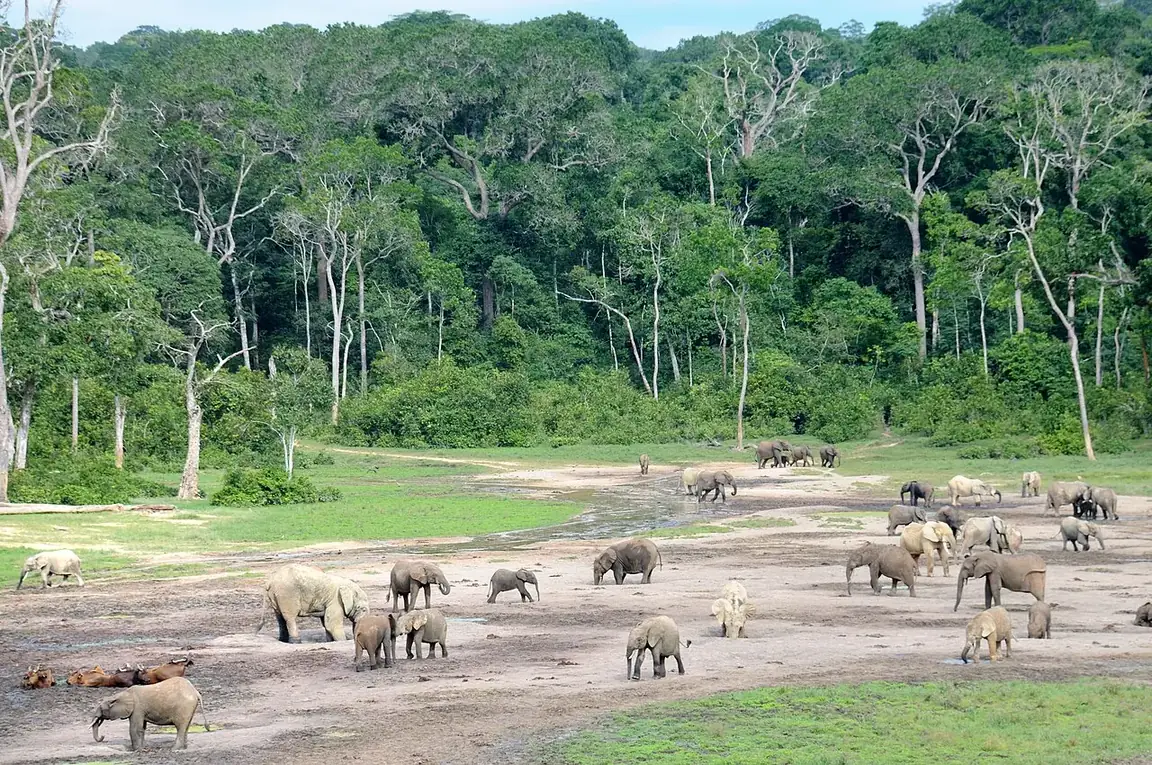 Photo: JosepMGracia · CC BY-SA 4.0
Published by Adama Doumbia, founder of Afrique Unie · updated 28 November 2026 · our method and sources
What the official advice says
The UK Foreign, Commonwealth & Development Office (FCDO) advises against all travel to the whole of the Central African Republic, including the areas of Bimbo, Begoua and Coline, except to the capital, Bangui. It advises against all but essential travel to Bangui, including Bangui M'Poko International Airport.
The French foreign ministry places the whole country in its red zone (formally advised against), except Bangui and Bimbo, which are in its orange zone (advised against unless there is a compelling reason). It says travel outside the capital should be ruled out because of active armed groups, and that non-resident French nationals should not travel except on essential professional missions to the capital. The two maps are close, but Bimbo is orange for France and red for the UK.
In Bangui itself, France advises avoiding the 3rd district (PK5) and its surroundings, as well as the hill with the « Bangui la Coquette » sign, not travelling at night, not using taxis and keeping to the main road to and from the airport.
There is no British Embassy in the Central African Republic: very limited consular support is provided remotely from Kinshasa. France has an embassy in Bangui.
What it means for insurance
Most travel and assistance policies exclude countries or areas that the foreign ministry formally advises against: medical costs, evacuation and repatriation would then not be covered. The UK government warns that your travel insurance could be invalidated if you travel against FCDO advice.
Read the exclusions in your policy, including any cover attached to your bank card, and ask the insurer for written confirmation. People sent by an employer, an NGO or a media organisation are usually covered by specialist high-risk policies arranged by their organisation: check exactly what they cover (medical evacuation, security evacuation, duration, areas).
This matters all the more here because, according to the FCDO, there are very few healthcare facilities, those in Bangui are very basic, and emergency services are unlikely to respond outside the capital: any serious problem may require evacuation by air ambulance.
Visa and passport: how it works
Information checked in November 2026. These rules can change at any time: read the official sources again and contact the country's embassy before taking any step.
A visa is required for British and French nationals alike. The UK government tells British citizens to apply through the Central African Republic Embassy in Paris. The documents required depend on the purpose (work, NGO mission, family visit): an invitation letter or mission order is often requested, so confirm with the embassy.
Passport: the UK says it must be valid for at least six months after the date you arrive; France says at least six months after your planned departure from the country. Follow the stricter rule.
You must show a yellow fever vaccination certificate to pass border control.
Health and vaccinations
Yellow fever: a vaccination certificate is required to enter, from the age of 9 months, and vaccination is recommended because the disease is present. Get it at a designated yellow fever centre at least ten days before you leave.
Malaria is present throughout the country. Bite avoidance and preventive medication should be decided with a travel health doctor.
The FCDO also lists cholera, mpox and Zika virus among the risks. Since May 2026 an Ebola outbreak has affected neighbouring Democratic Republic of Congo, declared a Public Health Emergency of International Concern by the WHO: expect possible extra health screening at borders in the region. Check your routine vaccines too, including measles.
If you must go: the checklist
- Essential reason: Work, humanitarian mission or serious family reasons: the official advice does not cover any other kind of trip.
- FCDO alerts: Sign up for email alerts on your destination's page at gov.uk/foreign-travel-advice: you are notified each time the advice changes.
- Ariane (French nationals): French citizens should register on Ariane, the French foreign ministry's service reached from diplomatie.gouv.fr, before departure, to receive alerts and be contactable in a crisis.
- Consular help: British nationals depend on the British Embassy in Kinshasa, which can only help remotely. French nationals should make themselves known to the French Embassy in Bangui.
- Logistics: Arrange reception, secure accommodation and transport in advance. Do not travel at night.
- Insurance: Written confirmation that your policy covers the Central African Republic, including medical evacuation.
- Documents: Visa, passport with six months' validity, yellow fever certificate; carry photocopies when moving around.
Heritage to discover when conditions allow
The Central African Republic has two UNESCO World Heritage sites: Manovo-Gounda St Floris National Park in the north, and the Sangha Trinational, shared with Cameroon and Congo, which includes the Dzanga-Sangha forest around Bayanga. The Boali falls on the Mbali river and the banks of the Ubangi in Bangui are among its best-known landscapes.
We will update this guide if the official advice changes.