AfriqueUnie
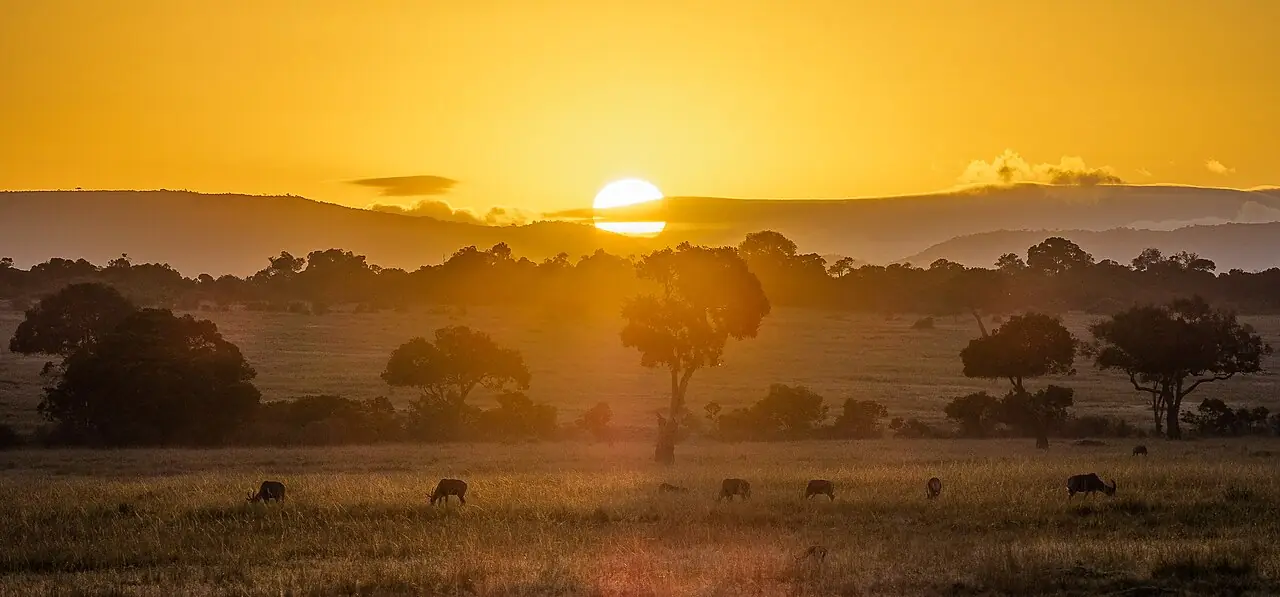 Photo: Danijel Mihajlovic · CC BY-SA 4.0
Published by Adama Doumbia, founder of Afrique Unie · updated 28 November 2026 · our method and sources
One tournament, three countries, peak safari season
Kenya, Uganda and Tanzania put forward a joint bid for this tournament. For fans, that changes everything: rather than a single country, you can follow your team through several capitals and enjoy one of Africa's richest regions for wildlife, landscapes and beaches.
The match schedule, the groups and the final list of stadiums are the responsibility of the Confederation of African Football. Check CAF's official website, cafonline.com, before you book anything: it is the only reliable source. This page helps you prepare everything else.
The host cities and what to do between matches
- Nairobi (Kenya): Kenya's capital has a national park on its doorstep, where you can see giraffes, lions and rhinos with skyscrapers in the background. Add the elephant orphanage and the craft markets for a full day out.
- Kampala (Uganda): Spread over its hills, Kampala is lively, musical and buzzing at night. Around two hours' drive away, Jinja sits at the source of the Nile, with rafting and boat trips.
- Dar es Salaam (Tanzania): A large Indian Ocean port city with fish markets and beaches. Above all, it is where the ferries leave for Zanzibar, ideal for a few days' rest between matches.
- Arusha (Tanzania): At the foot of Mount Meru, Arusha is the capital of Tanzanian safaris. The Serengeti, the Ngorongoro Crater and views of Kilimanjaro can all be reached from the town on trips of two days or more.
Combining matches with a safari or Zanzibar
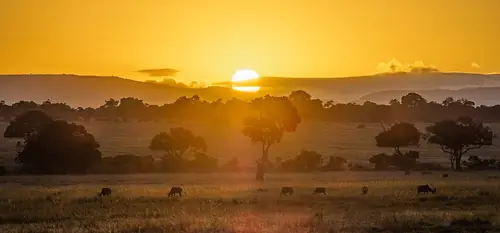
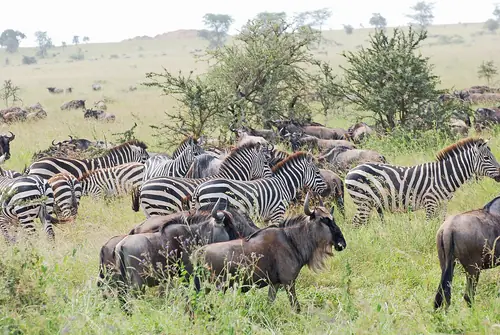
Summer is the dry season across much of East Africa: the grass is shorter, animals gather around waterholes and the tracks are passable. Depending on the year, it is also the start of the Great Migration of wildebeest in the Maasai Mara, usually from July to October.
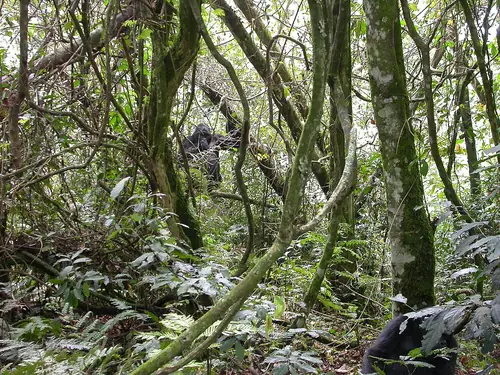
If your team plays in Arusha, a safari in the Ngorongoro Crater or the Serengeti is a must. From Nairobi, the Maasai Mara and Amboseli National Park, with its elephants in front of Kilimanjaro, can be reached by road or light aircraft. In Uganda, the Bwindi Impenetrable Forest and its gorillas take more time and require a permit booked well in advance.
To wind down, Zanzibar is a classic: the lanes of Stone Town, the spice markets and the Nungwi and Kendwa beaches in the north of the island.
Getting around the three countries
The three capitals are linked by regional flights, often short ones, and by road. Overland distances are long and bus journeys can easily take a whole day, so if you want to follow several matches, flying is usually more realistic.
Consider open-jaw tickets: flying into Nairobi and out of Dar es Salaam, for example, saves you from doubling back. Entry requirements differ from one country to the next and may change before 2027; check them for each of the three countries in your government's official travel advice and on each country's official websites.
Book early: what sells out first
- Accommodation in the host cities: During a major tournament, rooms near the stadiums fill up fast. Book as soon as the schedule is out, ideally with free cancellation.
- Safari lodges: Summer is already the high season. The best-located camps in the Maasai Mara or the Serengeti are fully booked months ahead.
- Gorilla permits: Only a limited number are issued each day. If this is your dream, book it before anything else.
- Flights: Compare several arrival cities and set price alerts: fares often rise as soon as the match schedule is published.
Practical tips for fans
- Health: See a doctor or travel clinic several weeks before you leave about vaccinations, any yellow fever certificate requirement and malaria prevention for the areas you will visit.
- Weather: Nairobi and Arusha are at altitude, so summer evenings can be cool: pack a jacket. Dar es Salaam and Zanzibar stay hot and humid.
- Money: Each country has its own shilling. Mobile payments are widespread in Kenya and Tanzania, but always keep some cash for small purchases.
- Safety: On match days, keep valuables out of sight, use official taxis or ride-hailing apps and read your government's travel advice for each country, as some border areas are advised against.
- Staying connected: An eSIM or a local SIM card lets you follow official announcements, your e-tickets and your journeys.