AfriqueUnie
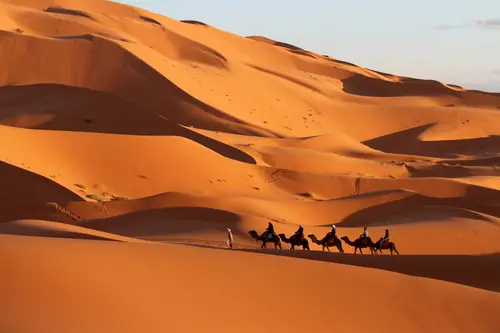
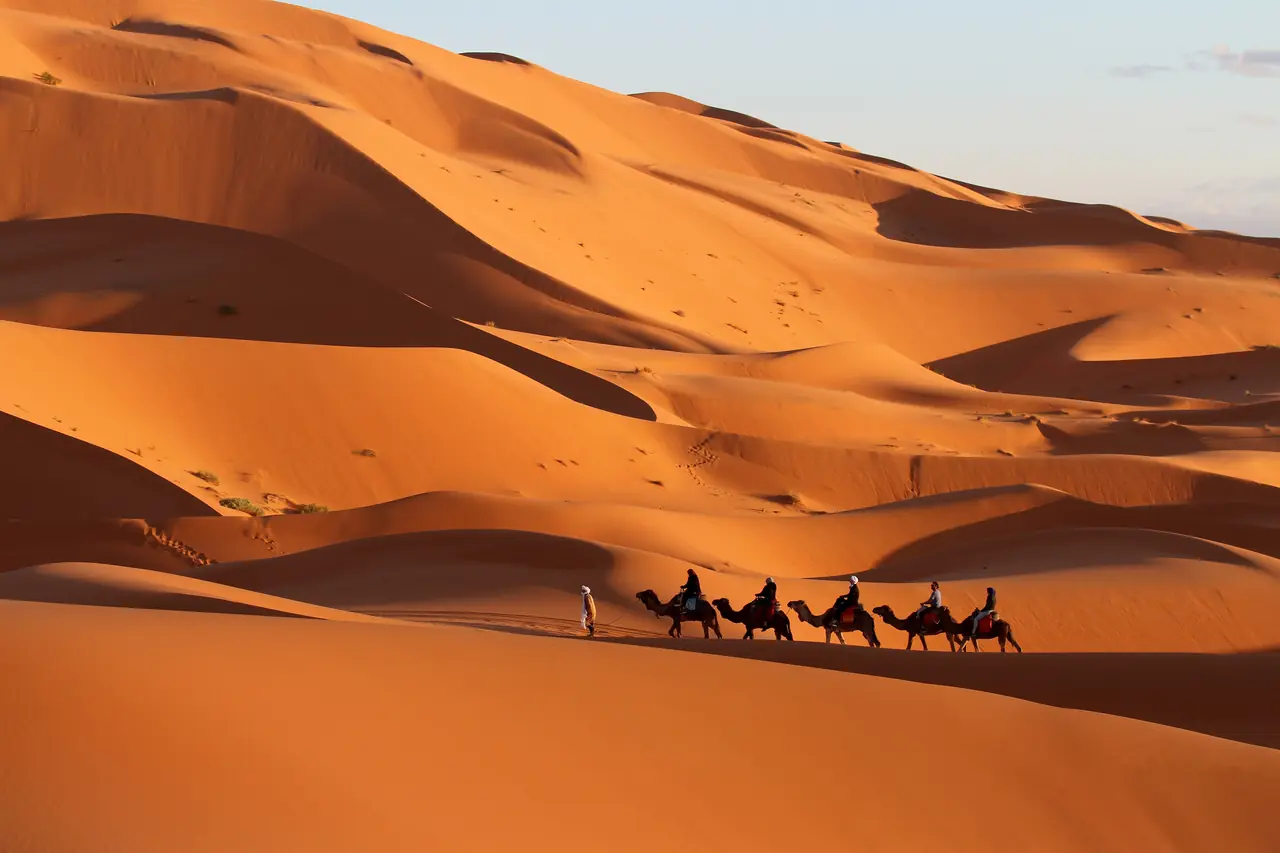 Photo: Merzougaloisirs · CC BY-SA 4.0
Published by Adama Doumbia, founder of Afrique Unie · updated 28 November 2026 · our method and sources
The most affordable countries
On Afrique Unie, each country is given a price level from 1 to 3, reflecting the cost of travelling there, excluding flights. Here are the countries in the budget category where tourism is well established or easy to organise. Before you go, always check your government's official travel advice: even in these countries, some regions may be advised against.
- Morocco: Accommodation in every category, trains between the main cities and delicious street food. Marrakech, Fez and Essaouira can be visited without breaking the bank.
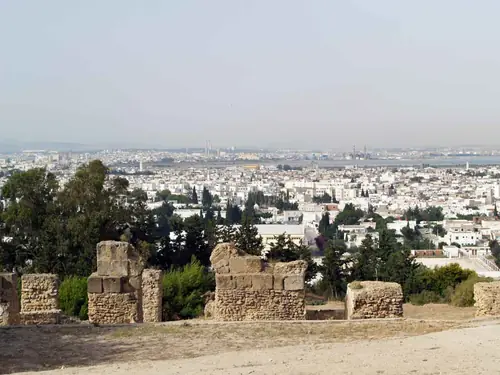
- Tunisia: Medinas, beaches and ancient sites at gentle prices, with handy shared transport between towns.
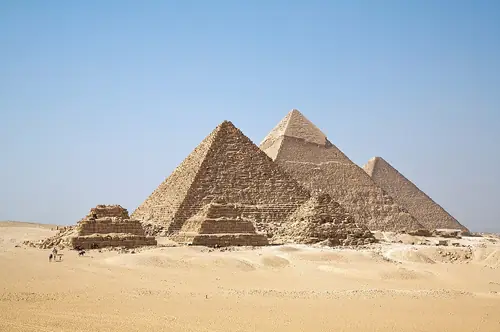
- Egypt: Day-to-day costs are low. Set aside a separate budget for entry fees to the major sites, though, as they add up quickly.
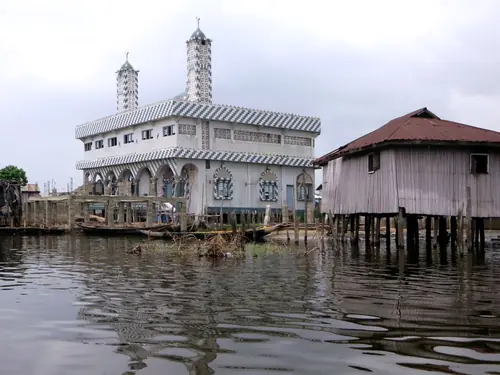
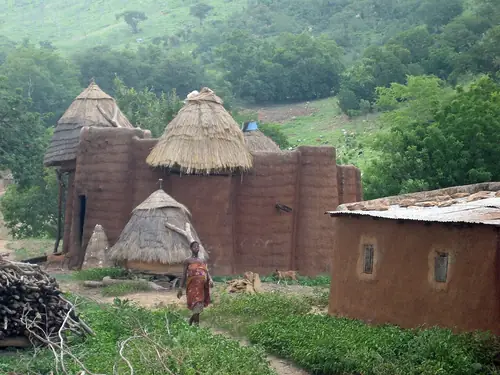
- Benin and Togo: Two small neighbours to explore together along the coast: Cotonou, Ouidah and Ganvie on one side, Lomé and the hills of Kpalimé on the other.
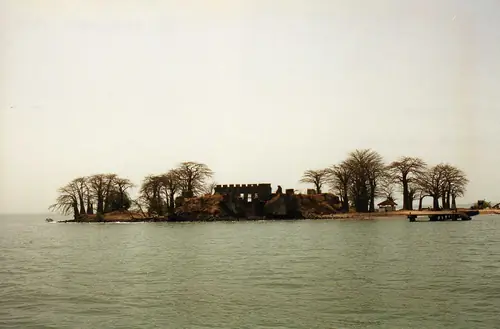
- The Gambia: A compact country that is easy to get around, with beaches, bird reserves and Kunta Kinteh Island on the river.
- Malawi: Lake Malawi and its freshwater beaches, hikes on Mount Mulanje and a famously warm welcome.
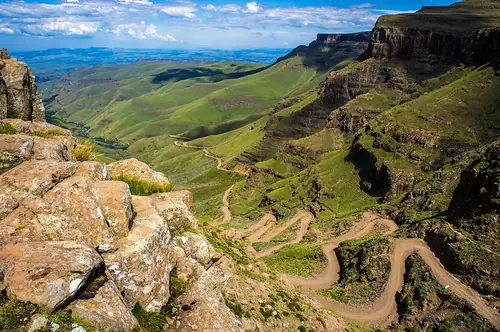
- Lesotho: The mountain kingdom, often reached by road from South Africa: pony treks, herders' villages and waterfalls.
- Madagascar: Living costs are low, but distances are long and domestic flights expensive, so focus on a single region.
Flights: the biggest expense
On a budget trip, the flight often costs as much as your entire stay. Morocco, Tunisia and Egypt are served by many routes, including low-cost airlines, which makes them especially accessible from Europe.
For more distant destinations, be flexible: compare several arrival airports, shift your dates by a few days and look at flights with a stopover in Africa's major hubs. Set price alerts rather than buying on impulse.
Accommodation and getting around
Guesthouses, hostels and small family-run hotels often offer the best value, with the bonus of valuable tips from your hosts. In big cities, compare neighbourhoods: staying a little away from the tourist centre brings prices down without necessarily adding much travel time.
Public transport, such as long-distance buses, shared taxis or Morocco's trains, costs a fraction of a private car with driver. It takes more time and patience, but it is part of the experience. For remote areas or night-time arrivals, a pre-booked transfer is still the safest option.
Choosing your season
High season coincides with the best weather and with European school holidays, so flight and accommodation prices climb. The shoulder seasons, just before or after the ideal period, often offer a good compromise between pleasant weather and lower prices.
The rainy season can be very good value, but some roads become difficult and a few places to stay close. Research each region before you decide.
Our tips for spending less
- Eat local: Small eateries, roadside stalls and street food are tasty and cheap. Choose the places where local people eat.
- Travel slowly: Fewer stops means less to pay in transport and more time to enjoy each place.
- Share excursions: For a safari or a boat trip, sharing a vehicle or pirogue with other travellers cuts the cost considerably.
- Pay in local currency: Withdraw sensible amounts from reliable cash machines and avoid airport exchange desks, which tend to offer worse rates.
- Keep a reserve: Travel insurance and a little money set aside for emergencies are essential, even on a tight budget.
The guide's 14 "small budget" countries
Budget: around €30–60 per person per day, excluding flights.
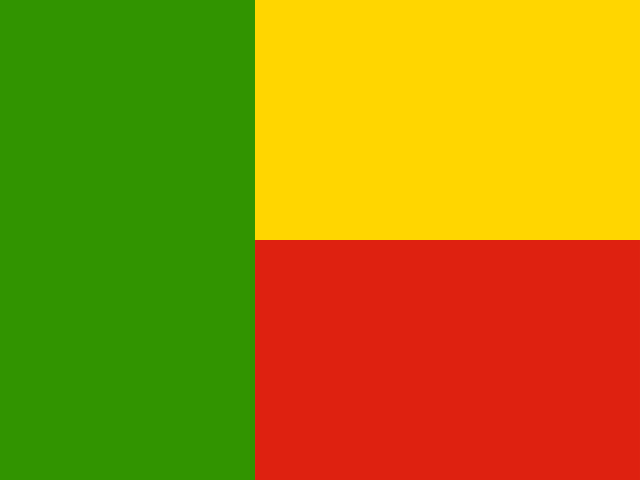 Benin
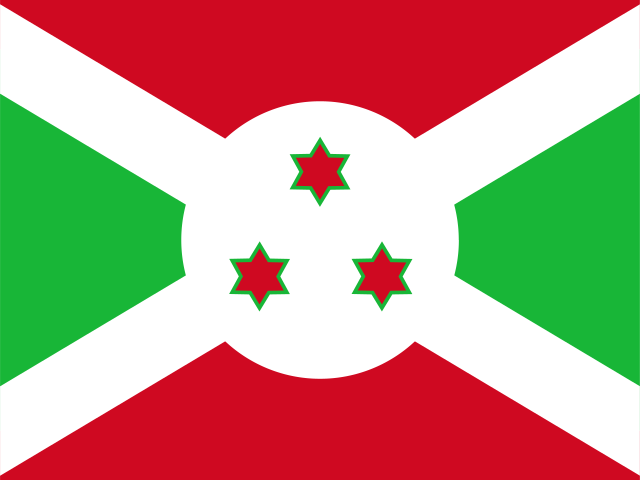 Burundi
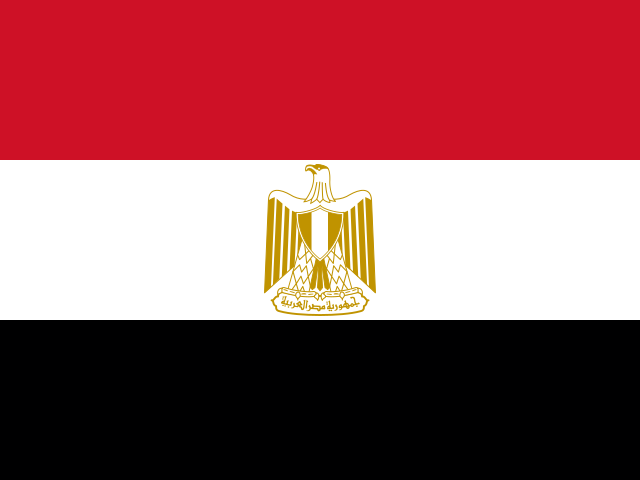 Egypt
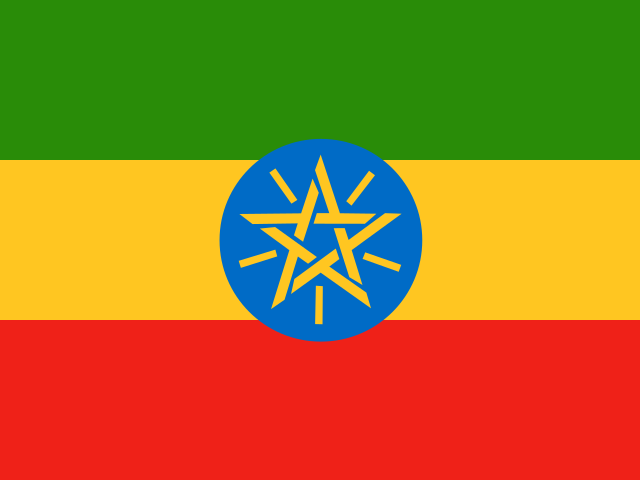 Ethiopia
 Guinea
 Guinea-Bissau
 Lesotho
 Madagascar
 Malawi
 Morocco
 Sierra Leone
 The Gambia
 Togo
 Tunisia